Dedicated to Rebuilding the Lost Grasslands of the South

Grassland loss is the single greatest conservation issue currently facing eastern North American biodiversity. Our precious Southern grasslands are nearly extinct and the species that depend on them are fading fast. Many of our Southern grasslands that managed to persist through the past 200 years have disappeared in the past quarter-century. What will the next 25 years bring? As a conservation community we are only now realizing how extensive our grasslands used to be. The losses have been truly staggering.  If we want to reverse the tide of grassland biodiversity loss, our response must be rapid as well as unparalleled in its magnitude. This is an immensely complex and ambitious challenge that will take some of the brightest and most creative minds in American conservation to solve. Find out how you can join the Southeastern Grasslands Institute to rebuild the South's forgotten grasslands.   


Graphic: Courtesy of the Cornell Lab of Ornithology

When just looking at overall bird declines in America, we can see our precious grassland bird species suffering a 43% decline in their populations, the most of any group of birds. At SGI, our experts have created a framework to asses the status of endangered species in our focal region.


Most Americans are unaware that cities such as Charlotte, Chattanooga, Huntsville, Montgomery, Nashville, Raleigh-Durham, Richmond, and Tallahassee, among others, are as much "grassland cities" as Austin, Fort Worth, and Tulsa.

These southern cities were colonized early because the native grasslands, prairies, and savannas were hospitable environments, often with deep, fertile soils, so they were gone before the camera was invented…before they could be described. Much of the original landscape—so important to indigenous people and the earliest settlers—has been lost. But not entirely lost! Today, even the last remaining 10% of our native Southeastern grasslands are America’s most biodiverse. SGI’s 23-state focal region contains the world’s 36th recognized biodiversity hotspot! Beyond that, our native grasslands remain vitally important for their contributions to water quality, soil health, carbon storage, protection in drought, grazing lands, and wildlife and pollinator habitat.

Learn about the Grasslands of the Mid-SOuth

GrasslandS Research Program

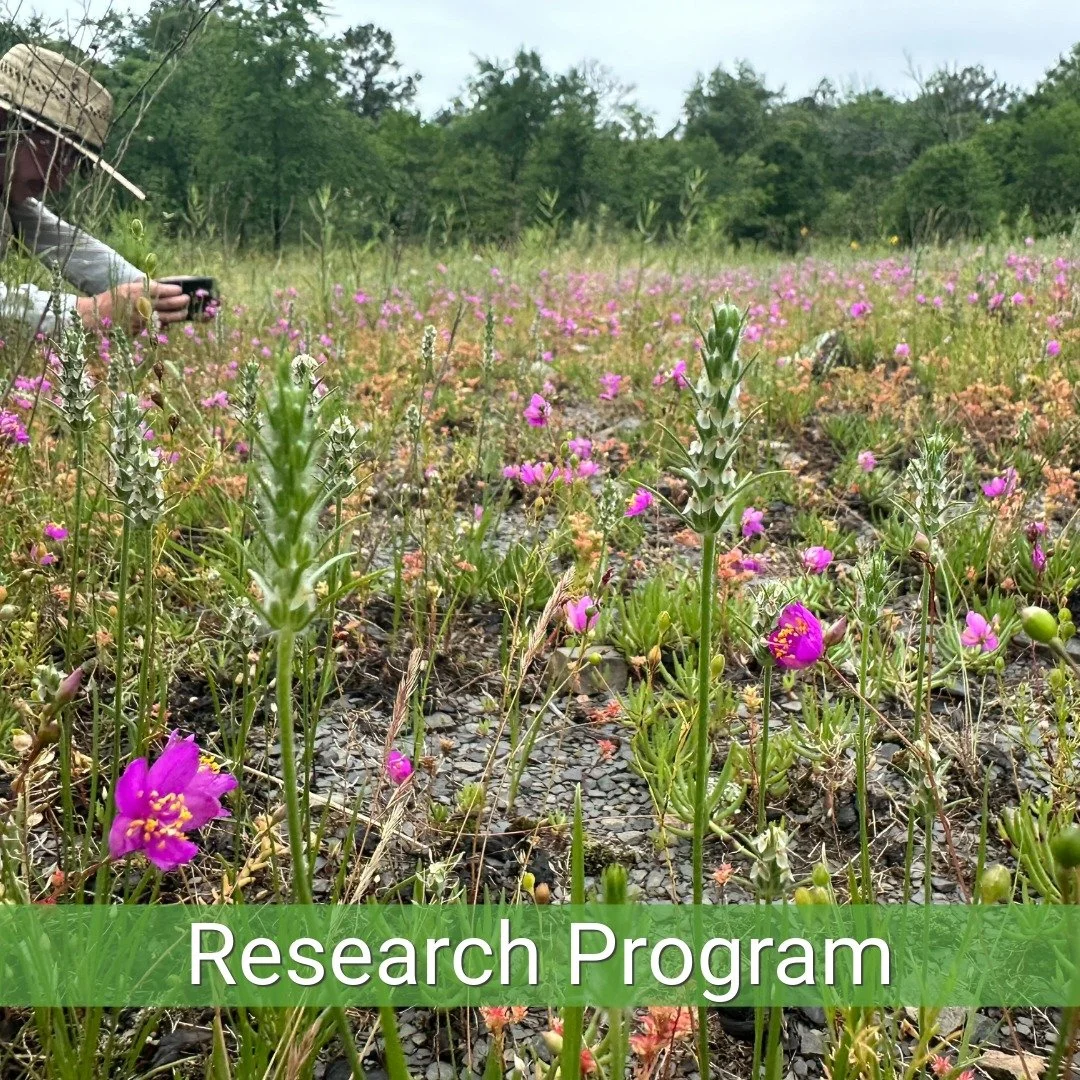
The Southeastern Grasslands Institute is a research-based conservation organization. Our research team is comprised of ecologists, biologists, botanists, historians, mapping and spatial data experts, and expert conservation scientists. Our team uses GIS mapping technology to inventory and identify remaining prairie remnants, rare plants and animals, and historical data to model grassland ecosystems that have almost gone extinct in the Southeastern U.S. To learn more about our current projects, please visit our Grasslands Research Homepage.


Grasslands Restoration program

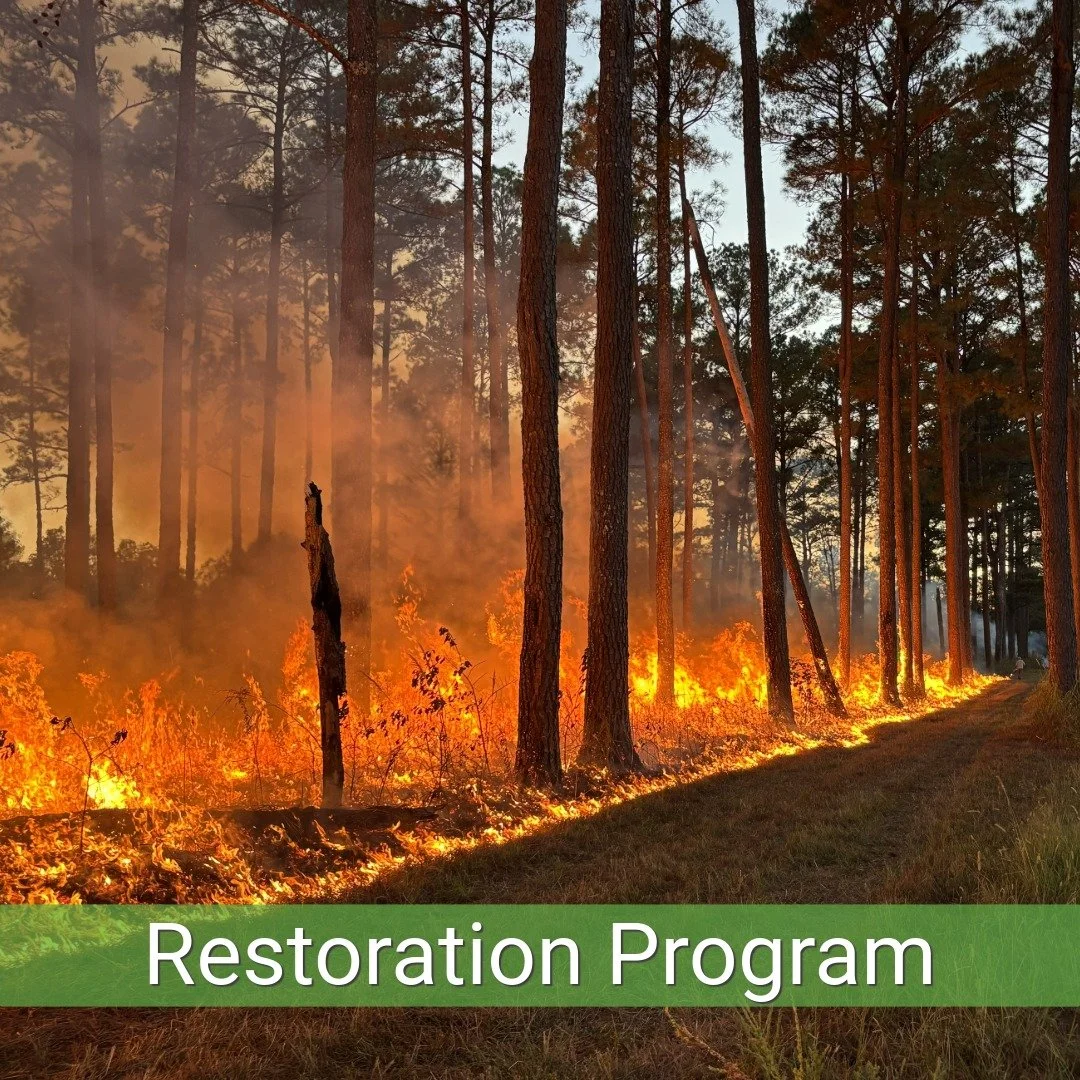
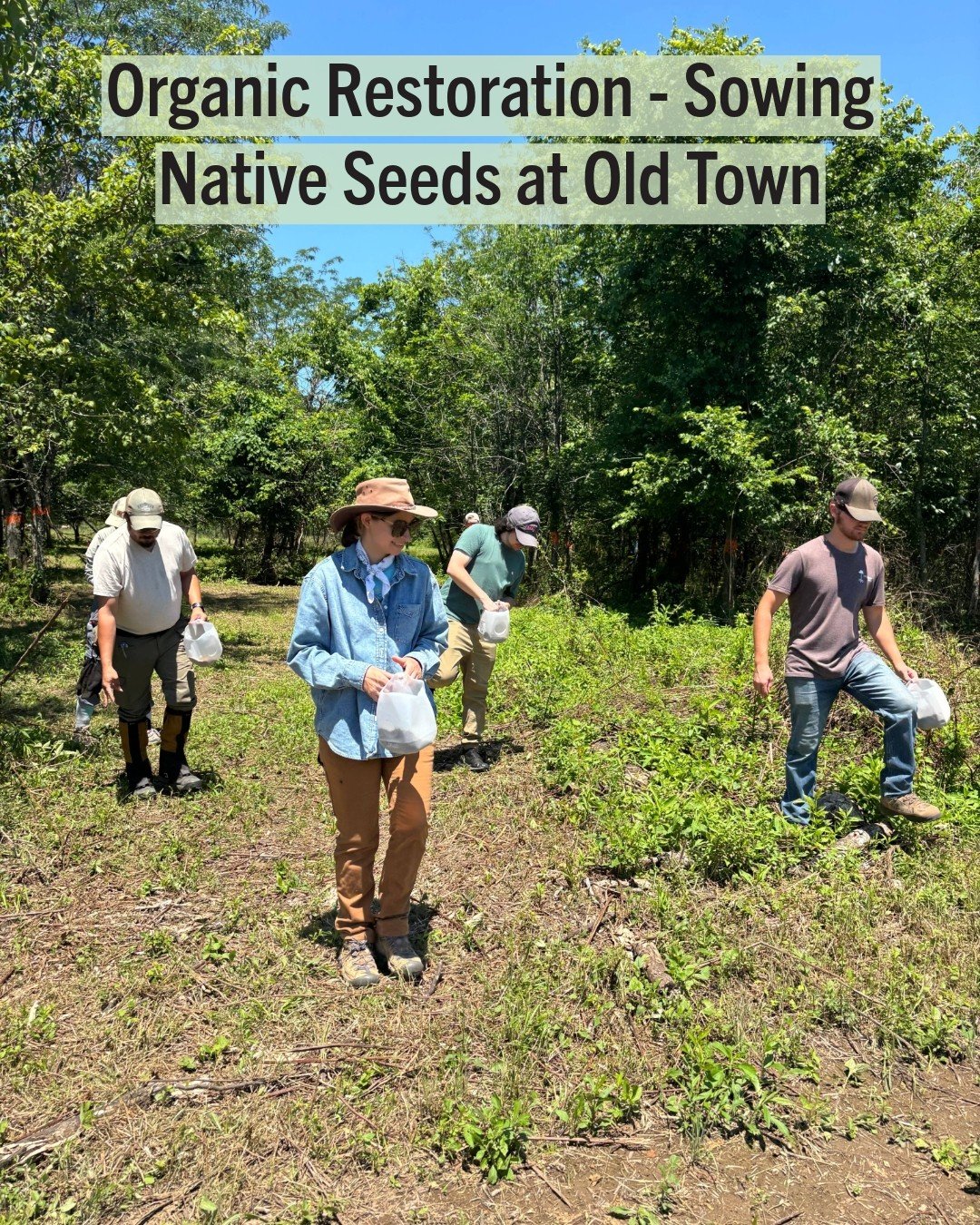
The Southeastern Grasslands Institute hosts a robust Grassland Restoration Program. The restoration team has three main offices - Roanoke, VA, Chattanooga, TN, and Clarksville, TN. The restoration team partners with both public and private landowners to develop science-based grassland restoration, reconstruction, and stabilization plans. Our restoration team stewards lands acquired by the Institute in perpetuity. To learn more about the restoration program, please visit the Grassland Restoration Homepage. You can find a list of our current projects here.


Native plant materials program

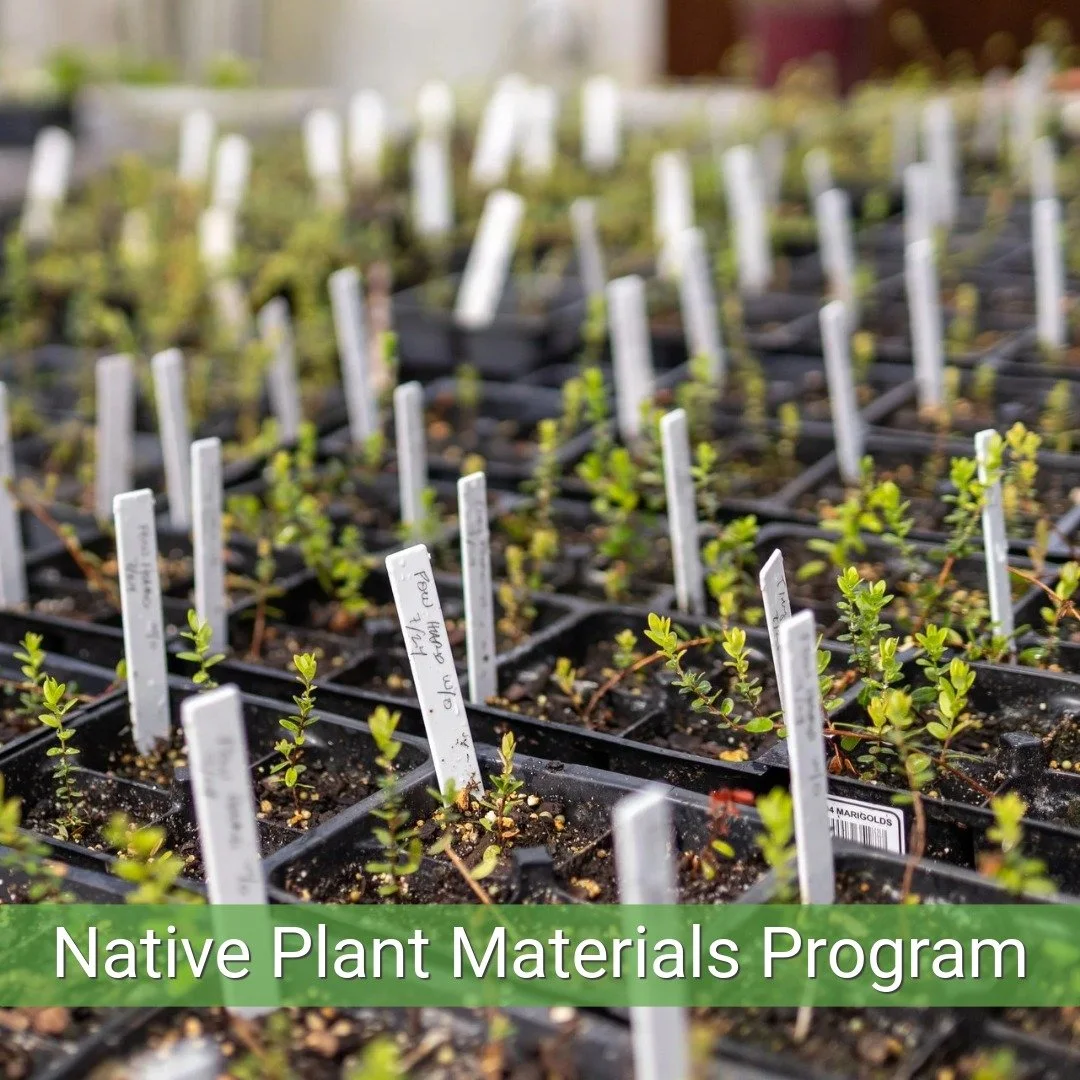
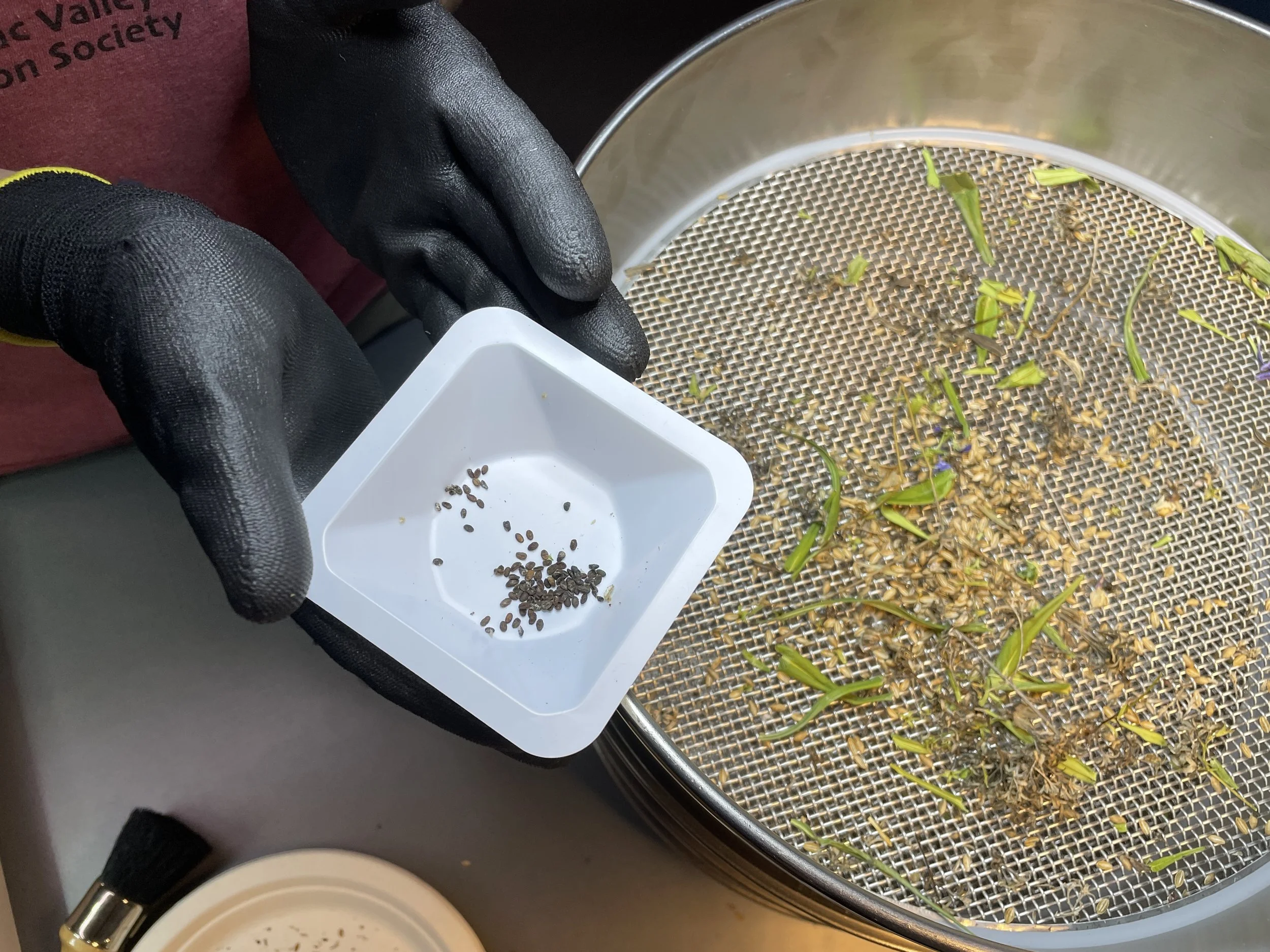
The Southeastern Grasslands Institute hosts a Native Plant Materials Program that supports our restoration work. The program hosts a conservation seed bank at our headquarters, coordinates the Southeastern Seed Network (SESN), and produces native plant seed and propagation materials to support native plant industry and native plant research. The native plant materials program frequently hosts seed scouting trainings, volunteer seed cleaning days, and field days with the whole restoration crew.


Tribal program

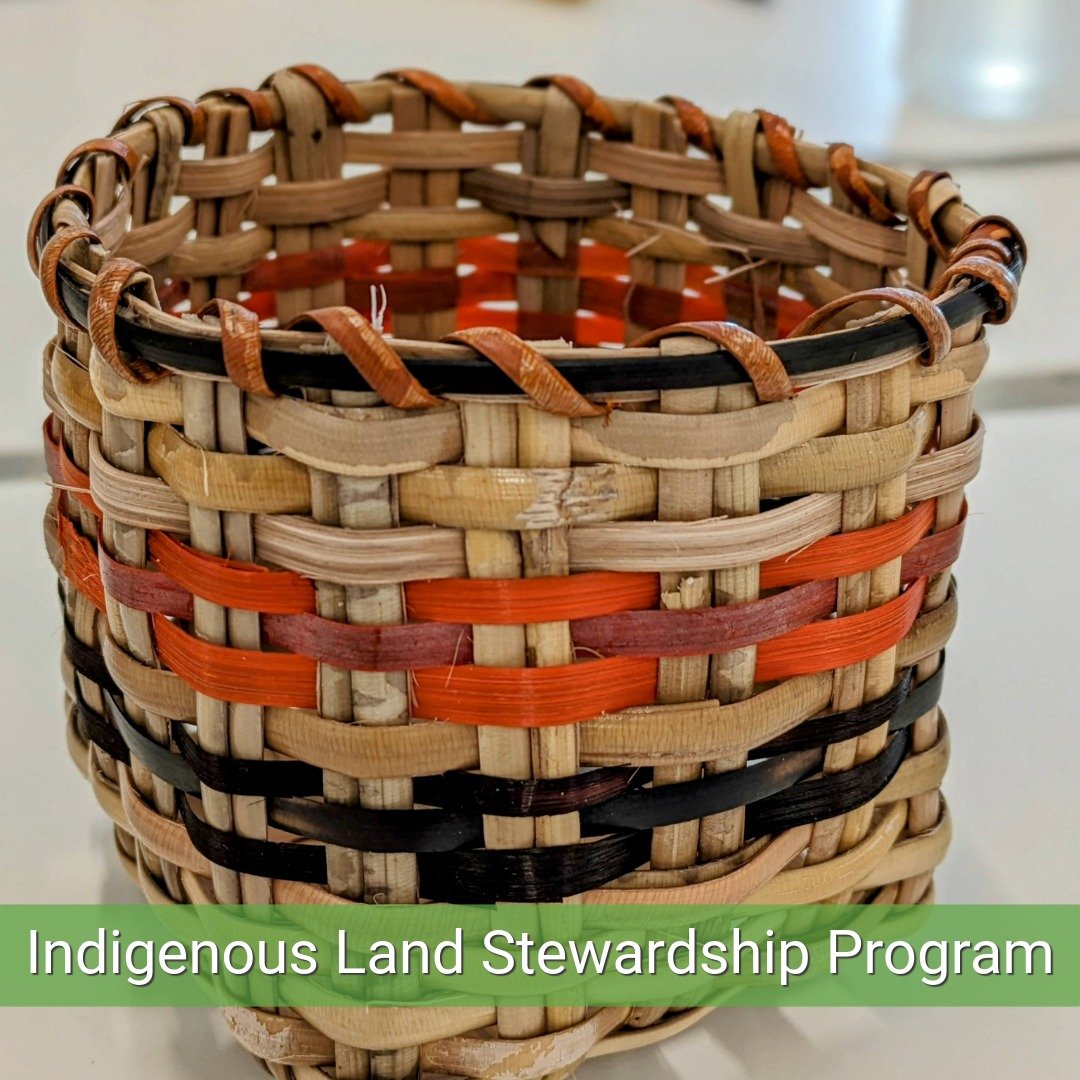
The Southeastern Grasslands Institute has three Native American staff members who comprise our Tribal Program. Each staff person is integrated into our grassland restoration and native plant materials on-the-ground conservation work. Our Tribal staff serve to both share our modern approaches and techniques of grassland conservation with tribal members and nations, and also weave traditional ecological knowledge, practices and perspectives into the fabric of the culture of our conservation work and priorities. Our Tribal staff work with certain sites of significance to co-develop seed and management plans, give talks on their work at conferences and to community groups, and are planning programs for tribal members to return to their ancestral homelands. To learn more about our Tribal Program, click here.


Volunteer with the Southeastern Grasslands Institute

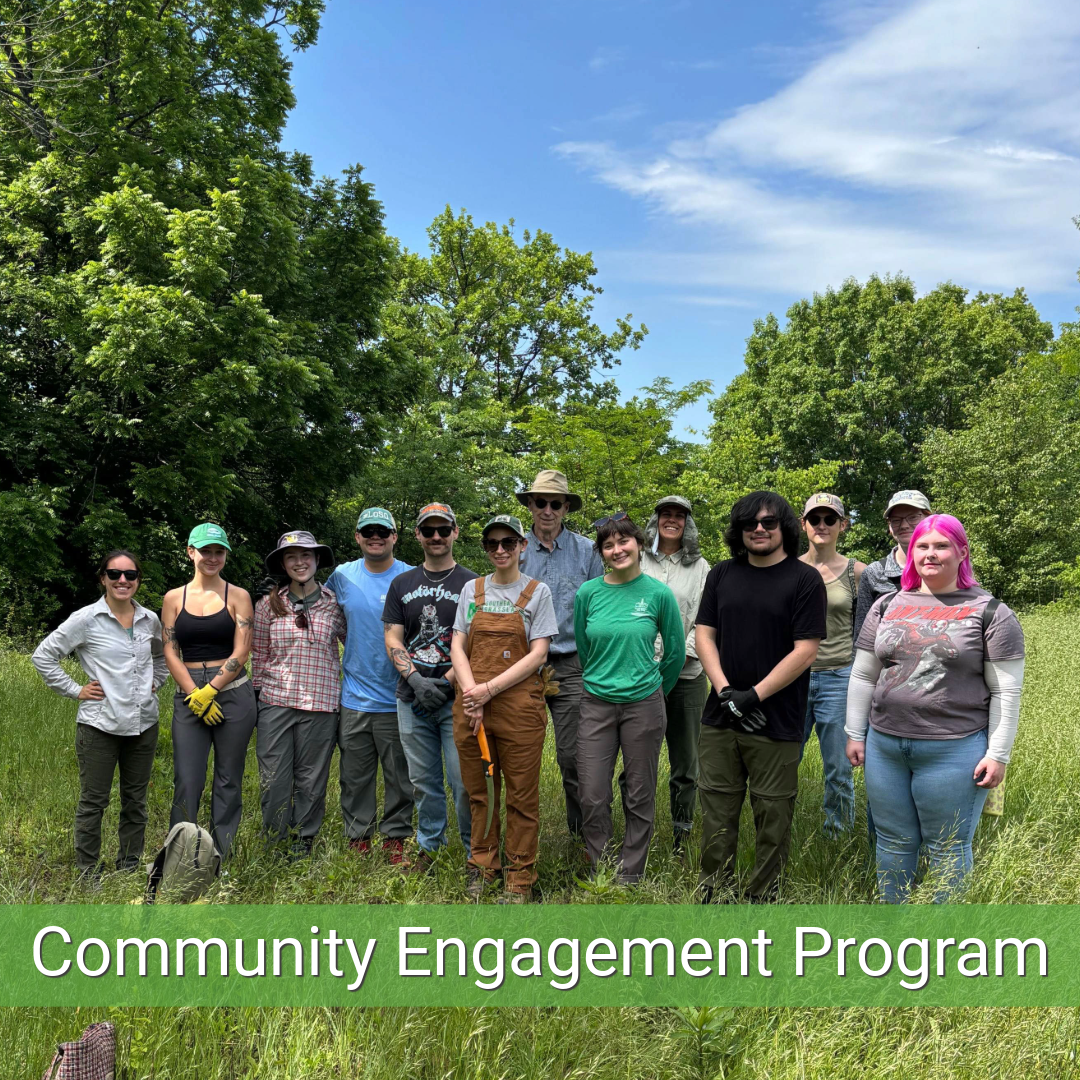
SGI is building a movement. We aim to ignite a passion for our native grasslands across the South and to join hands with people from all walks of life who desire to make a difference for the world and for future generations. Because so many native grassland remnants are small, they are ideal for engaging volunteers at the local level. SGI is working with partners across our focal region to develop a “grassroots grassland conservation army” of hundreds, perhaps thousands, of volunteers. Check our our calendar of volunteer events, and subscribe to our volunteer newsletter to join our team.

VolunteeR With US
SGI  2019 Dunbar Volunteer group/Amanda Blount.jpg

Photographer Credit: SGI’s first volunteer workday at Dunbar Cave State Park, TN by Amanda Blount

The solution to conservation of U.S. southeastern grasslands is a vastly expanded and sustained initiative for the conservation, restoration, and management of native grassland ecosystems.

SGI is building a movement. We aim to ignite a passion for our native grasslands across the South and to join hands with people from all walks of life who desire to make a difference for the world and for future generations. Because so many native grassland remnants are small, they are ideal for engaging volunteers at the local level. SGI is working with partners across our focal region to develop a “grassroots grassland conservation army” of hundreds, perhaps thousands, of volunteers.

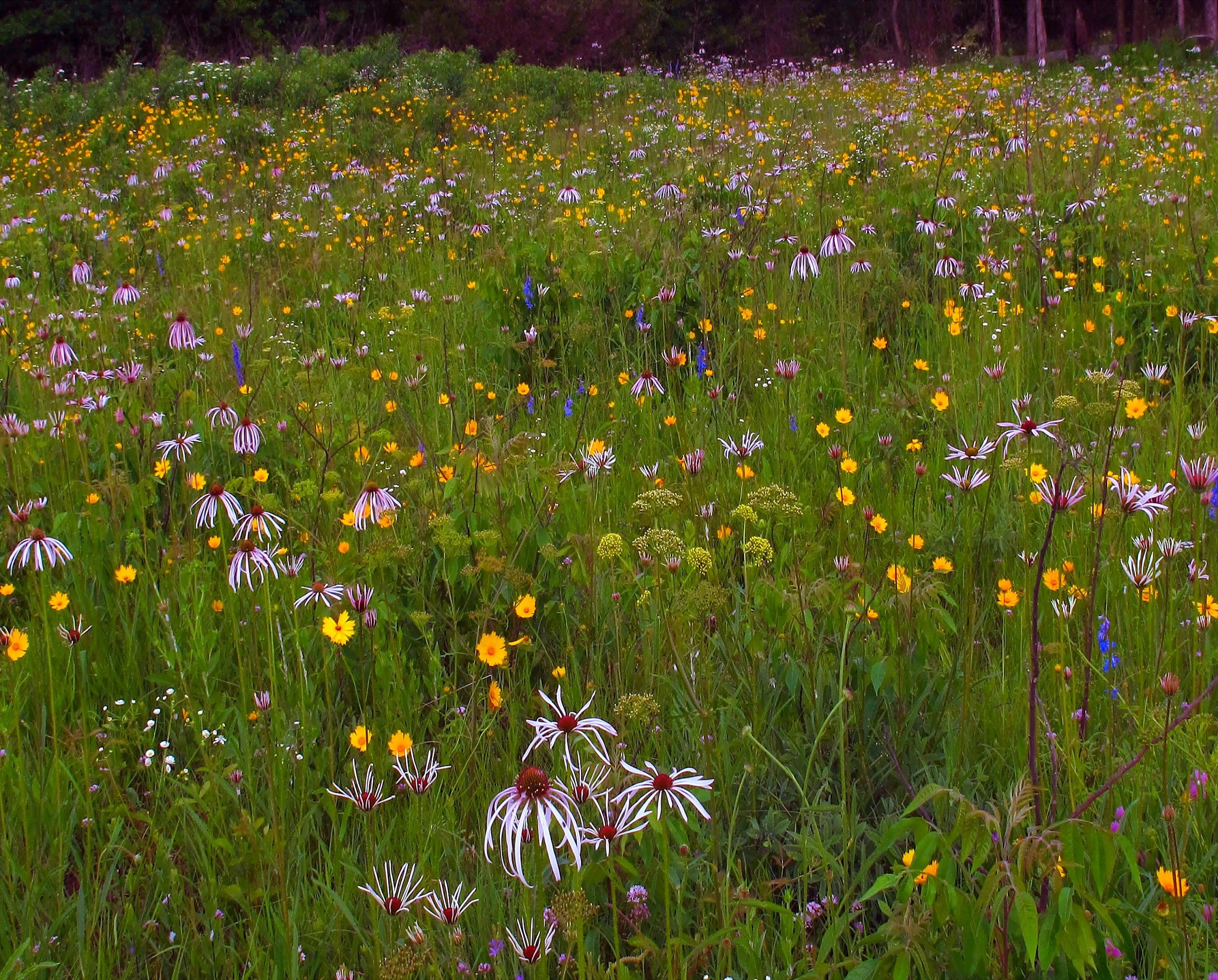
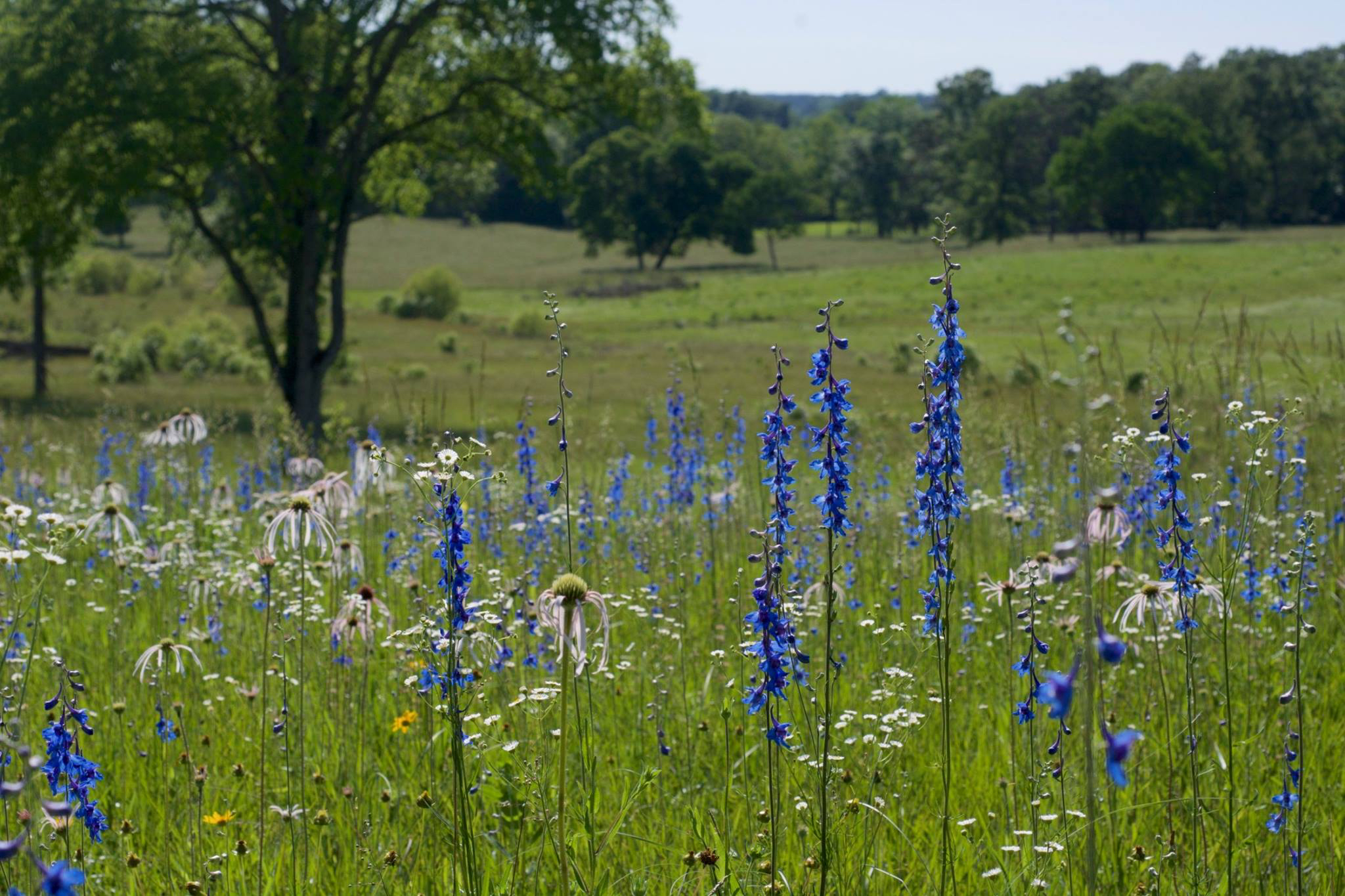
Blackland Prairie AR/ERic Hunt.jpg

Photographer Credit: Blackland Prairie, AR by Eric Hunt

SGI is already partnering with many dedicated and effective organizations working to restore grasslands, protect pollinators, and save wildlife. With so many others already on the landscape, what is SGI’s role? 

SGI seeks to chart a new course for 21st century conservation in the Southeast by correcting the historical disparity between the loss of southeastern grasslands and the extremely low level of resources allocated to their conservation. We aim to lead grassland conservation efforts at a regional/national scale while also increasing the resources available for us all to achieve better conservation results on the ground.

SUpport the SOutheastern Grasslands Institute

Video: an introduction to the Southeastern Grasslands Institute

Revealed: What we now know about the incredibly diverse grasslands of the Southeast and why ecologists often consider their loss the greatest threat to the terrestrial biodiversity of eastern North America.