Home
About
What is SGI?
Our 4 Programmatic Priorities
Our Headquarters
Our 8 Conservation Strategies
Our Partners
Annual Reports
The Need for SGI
What are Southeastern Grasslands?
A call to action
Why Southern Grasslands?
Why should we care?
We Need Your Help
Our Team
SGI Staff
Job Announcements
Programs
Community Engagement
Grasslands Research
Grasslands Restoration
Native Plant Materials
Tribal Program
News & Events
Blog
News Stories
Volunteer Events
Subscribe to our Newsletter
Events Calendar
Resources
Biodiversity Exploration & Documentation
Data Downloads
Find A Grassland Near You
Guide to the Grasslands of the Mid-South
Learning Resources
Research Index
SGI Photo + Video
The Southeastern Grasslands Portal
Webinars, Podcasts, Articles
Volunteer
Volunteer with SGI
Subscribe to SGI's Volunteer Newsletter
Event Calendar & Volunteer Hub
Donate

Southeastern Grasslands Institute

Home
About
What is SGI?
Our 4 Programmatic Priorities
Our Headquarters
Our 8 Conservation Strategies
Our Partners
Annual Reports
The Need for SGI
What are Southeastern Grasslands?
A call to action
Why Southern Grasslands?
Why should we care?
We Need Your Help
Our Team
SGI Staff
Job Announcements
Programs
Community Engagement
Grasslands Research
Grasslands Restoration
Native Plant Materials
Tribal Program
News & Events
Blog
News Stories
Volunteer Events
Subscribe to our Newsletter
Events Calendar
Resources
Biodiversity Exploration & Documentation
Data Downloads
Find A Grassland Near You
Guide to the Grasslands of the Mid-South
Learning Resources
Research Index
SGI Photo + Video
The Southeastern Grasslands Portal
Webinars, Podcasts, Articles
Volunteer
Volunteer with SGI
Subscribe to SGI's Volunteer Newsletter
Event Calendar & Volunteer Hub
Donate
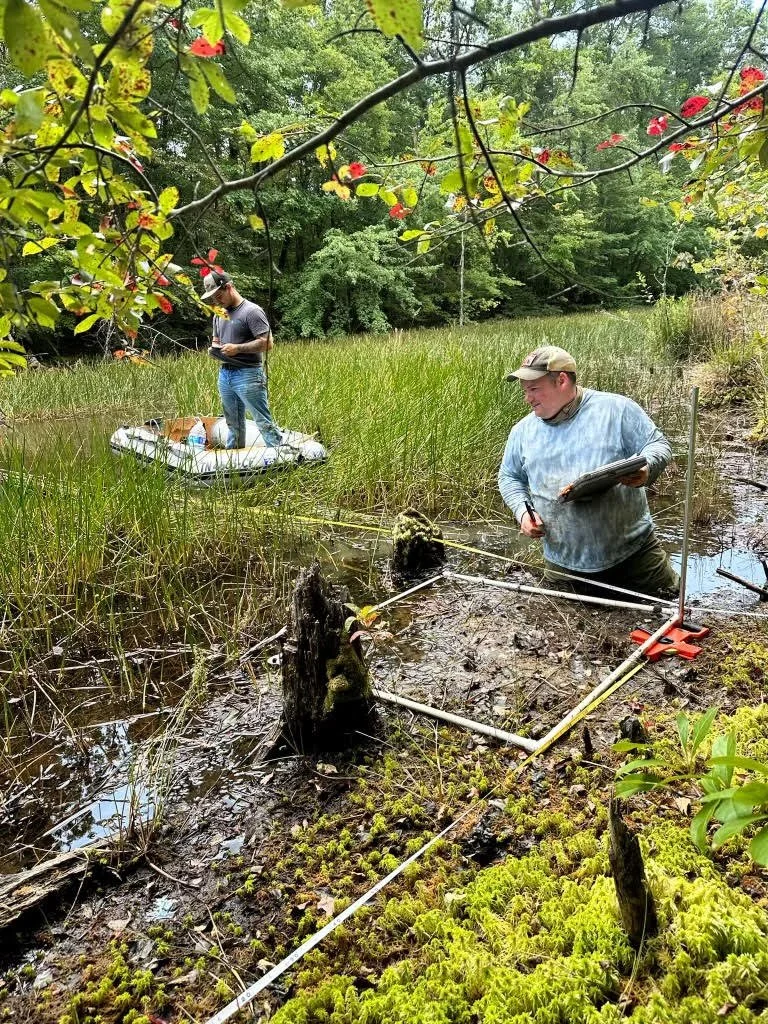
 SGI Southern Appalachian coordinator Zach Irick leading vegetation monitoring in a bog in Marion County, Tennessee. The dominant plant around the boat is the rare Horsetail Spikerush ( Eleocharis equisetoides ), known to persist in Tennessee only at

SGI Southern Appalachian coordinator Zach Irick leading vegetation monitoring in a bog in Marion County, Tennessee. The dominant plant around the boat is the rare Horsetail Spikerush (Eleocharis equisetoides), known to persist in Tennessee only at this site. Photo by Quentin Miller.

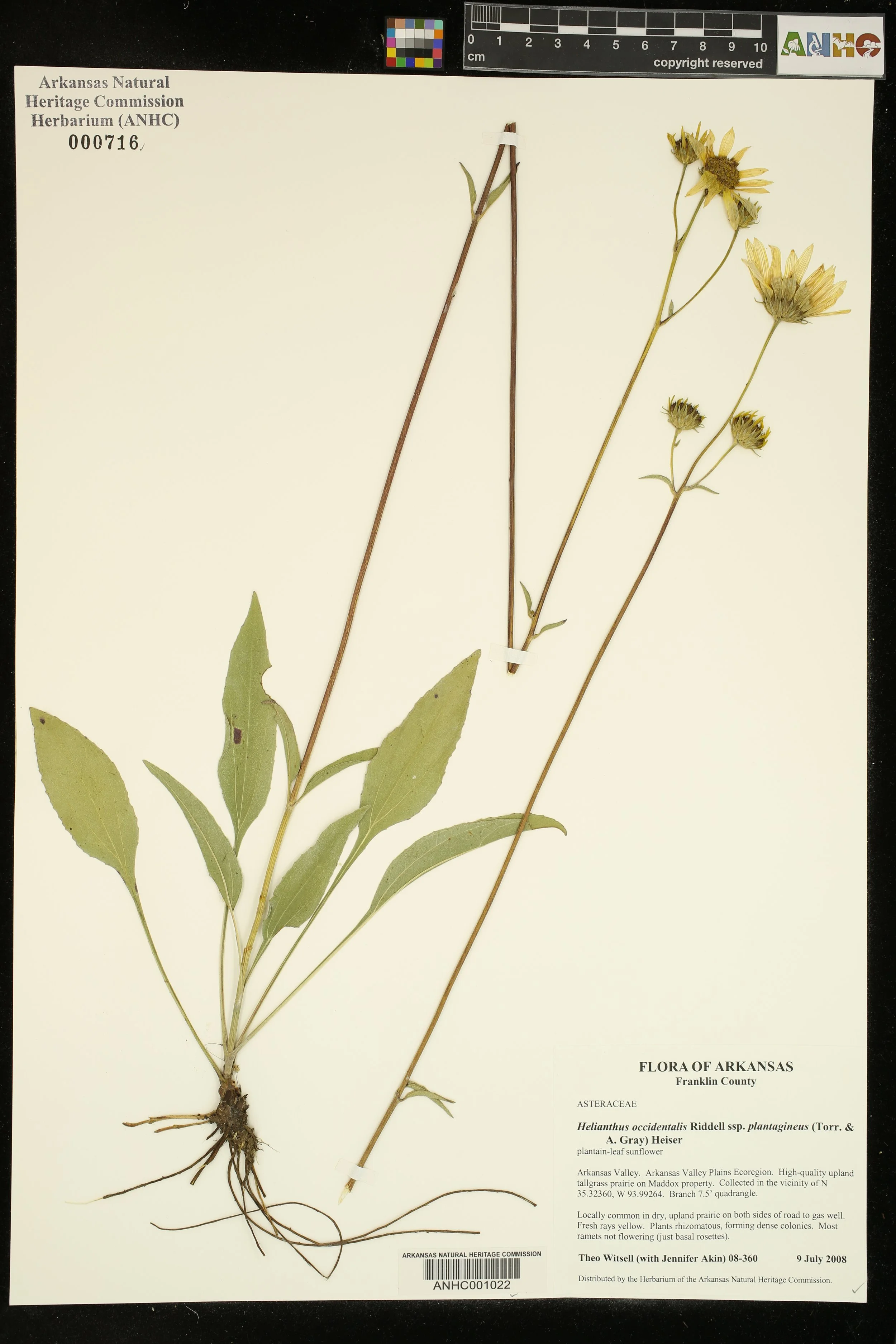
 Herbarium specimens document plant biodiversity at a certain place and time and are an important component of many SGI research projects. This specimen of Plantain-leaf Sunflower ( Helianthus occidentalis  subsp.  plantagineus ) was collected from a

Herbarium specimens document plant biodiversity at a certain place and time and are an important component of many SGI research projects. This specimen of Plantain-leaf Sunflower (Helianthus occidentalis subsp. plantagineus) was collected from a rare hill prairie remnant in the Arkansas Valley Ecoregion. Photo: ANHC.

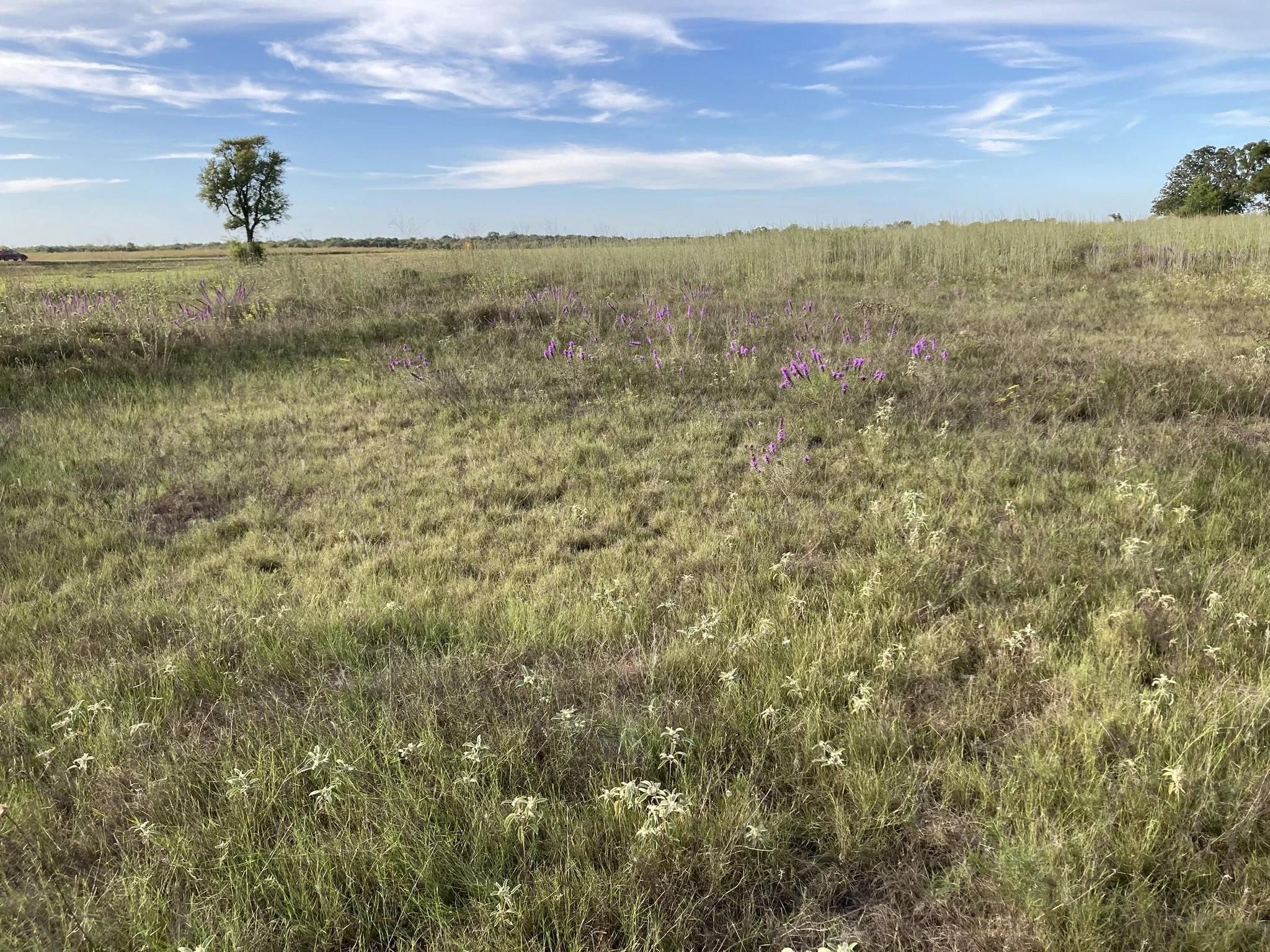
 Snow-on-the-Prairie ( Euphorbia bicolor ) and Bottlebrush Blazing-star ( Liatris punctata  var.  mucronata ) in a high-quality remnant of a rare Limestone Prairie in the Red River Valley near Idabel, Oklahoma. Photo by Theo Witsell.

Snow-on-the-Prairie (Euphorbia bicolor) and Bottlebrush Blazing-star (Liatris punctata var. mucronata) in a high-quality remnant of a rare Limestone Prairie in the Red River Valley near Idabel, Oklahoma. Photo by Theo Witsell.

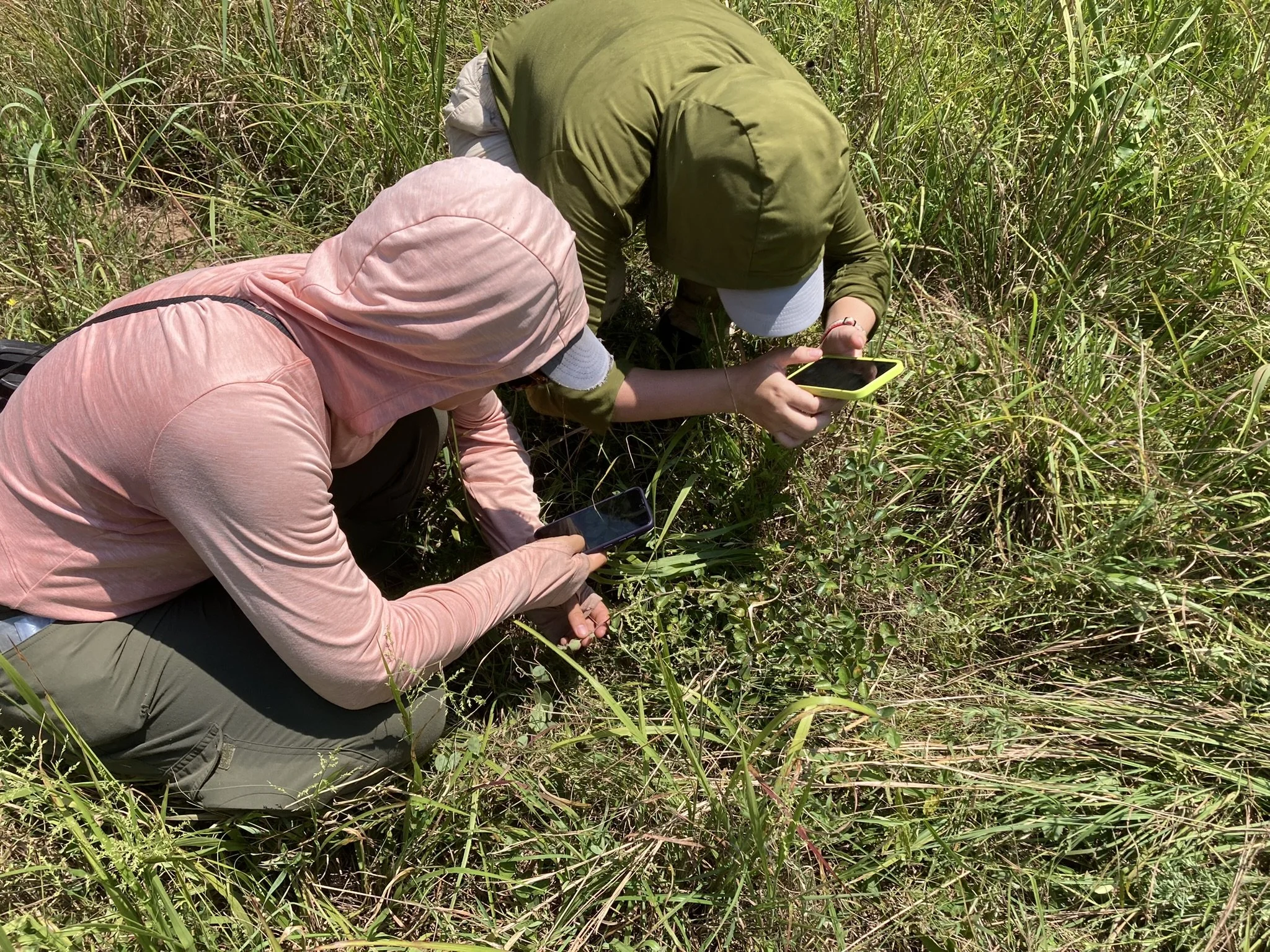
 SGI’s western field team using iNaturalist to document the occurrence of Oneflower Hawthorn ( Crataegus uniflora ) in a rare sand grassland in the Ozark Highlands. Photo by Theo Witsell.

SGI’s western field team using iNaturalist to document the occurrence of Oneflower Hawthorn (Crataegus uniflora) in a rare sand grassland in the Ozark Highlands. Photo by Theo Witsell.


 SGI's Central Appalachian Grasslands Coordinator Alaina Krakowiak documenting a population of Alabama lip fern (Myriopteris alabamensis) on a cliff face at Cumberland Gap National Historical Park. Photo by Laura Boggess.

SGI's Central Appalachian Grasslands Coordinator Alaina Krakowiak documenting a population of Alabama lip fern (Myriopteris alabamensis) on a cliff face at Cumberland Gap National Historical Park. Photo by Laura Boggess.


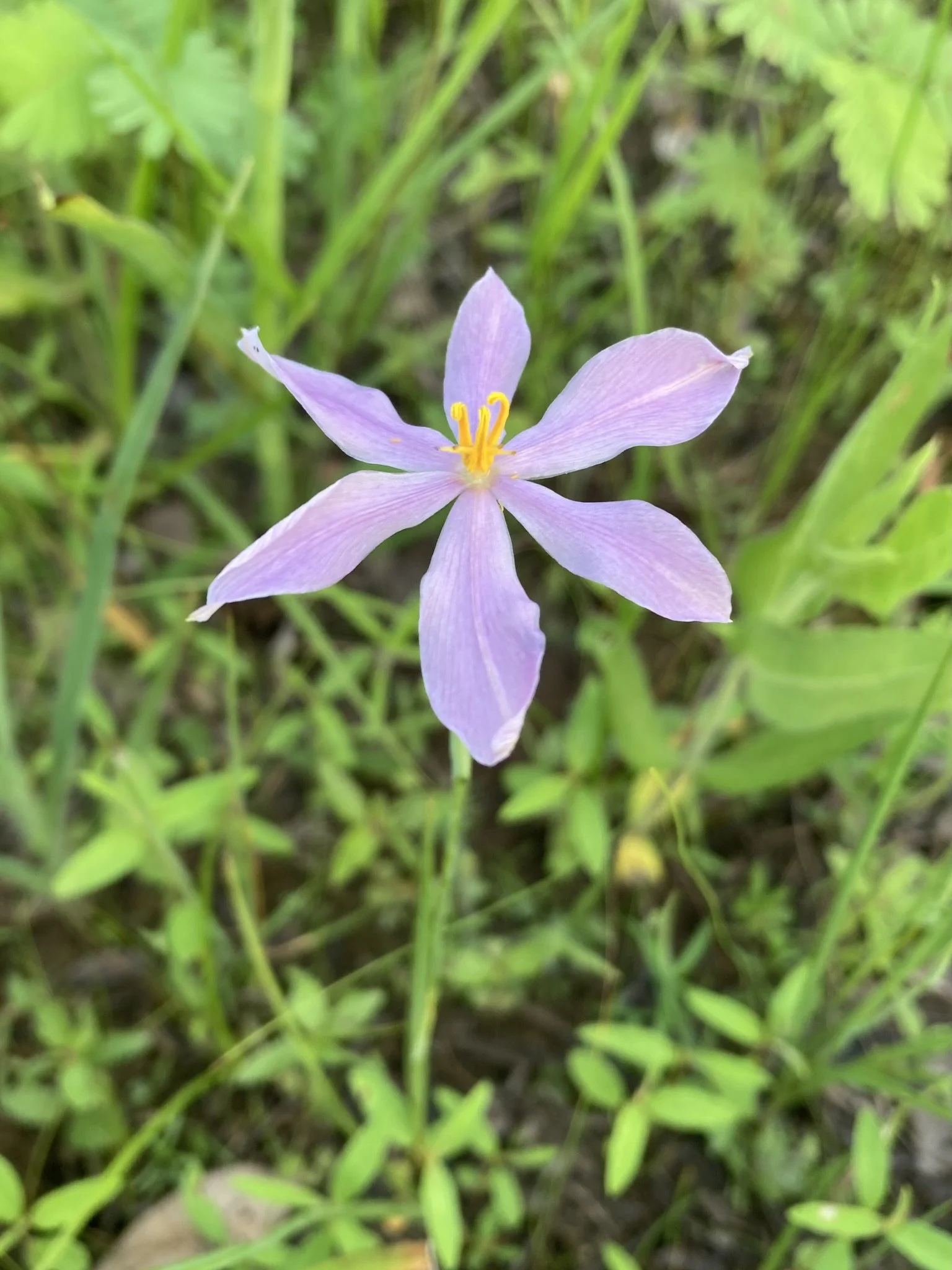
 Nuttall’s Pleatleaf ( Nemastylis nuttallii ), a species of conservation concern, in a rare remnant oak savanna with a 100-year prescribed fire history at the Camp Robinson Special Use Area in central Arkansas. The flowers open rapidly in the evening

Nuttall’s Pleatleaf (Nemastylis nuttallii), a species of conservation concern, in a rare remnant oak savanna with a 100-year prescribed fire history at the Camp Robinson Special Use Area in central Arkansas. The flowers open rapidly in the evening, over the course of several minutes, and are wilted within an hour or two. Photo by Theo Witsell.

 Rare remnant of an undescribed and globally rare Ozark Sand Grassland. This grassland type is known only from a small part of Izard County Arkansas in valleys of south-flowing tributaries of the White River. It supports many rare and uncommon plant

Rare remnant of an undescribed and globally rare Ozark Sand Grassland. This grassland type is known only from a small part of Izard County Arkansas in valleys of south-flowing tributaries of the White River. It supports many rare and uncommon plant species and the Ozark Pocket Gopher (Geomys bursarius ozarkensis), a globally rare subspecies known only from the southern third of Izard County and nowhere else on Earth. Photo by Theo Witsell.

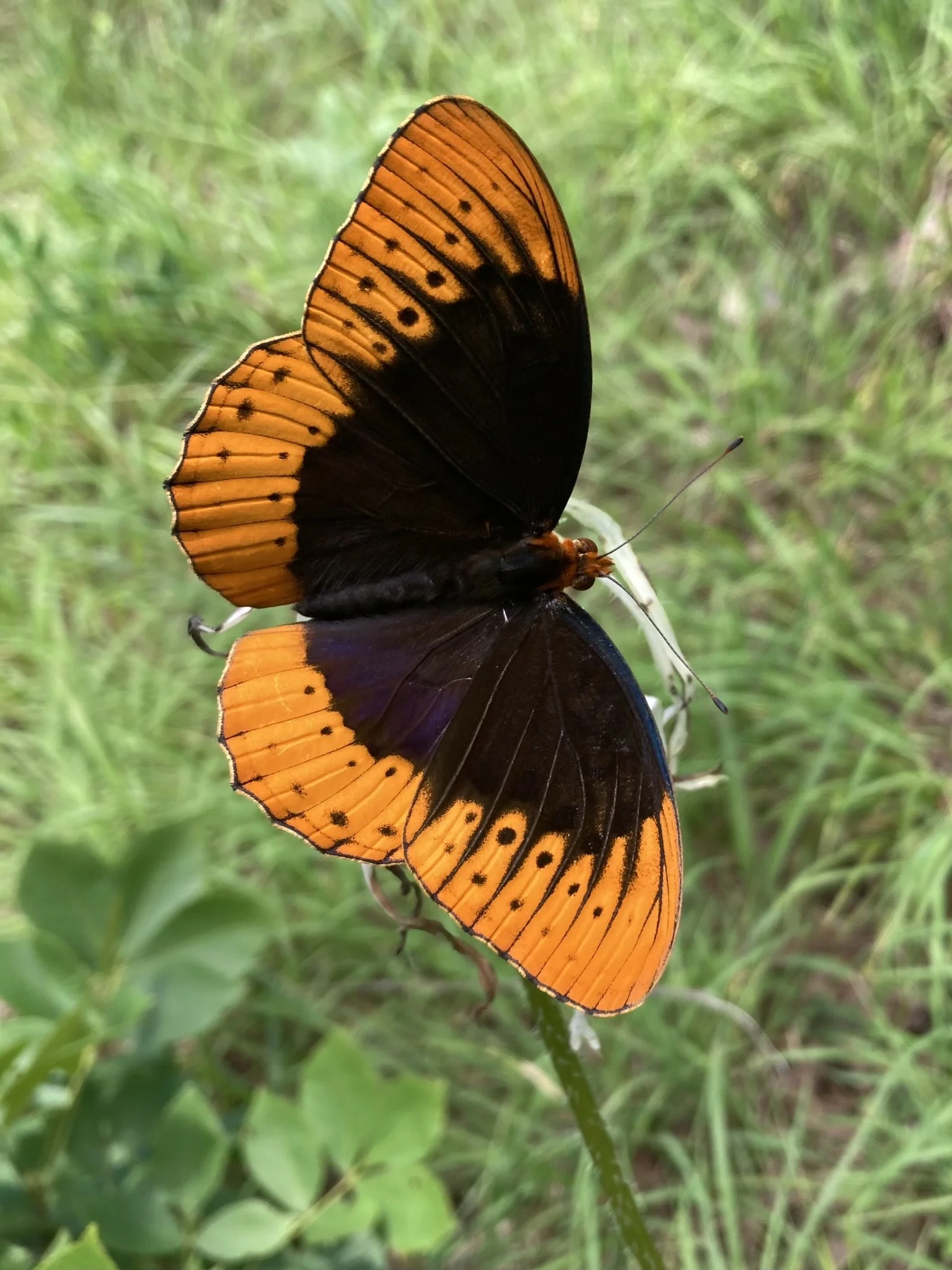
 A male Diana Fritillary ( Speyeria diana ), a butterfly of global conservation concern, in a restored and fire-managed shale barrens and woodland complex in the eastern Ouachita Mountains. Photo by Theo Witsell.

A male Diana Fritillary (Speyeria diana), a butterfly of global conservation concern, in a restored and fire-managed shale barrens and woodland complex in the eastern Ouachita Mountains. Photo by Theo Witsell.

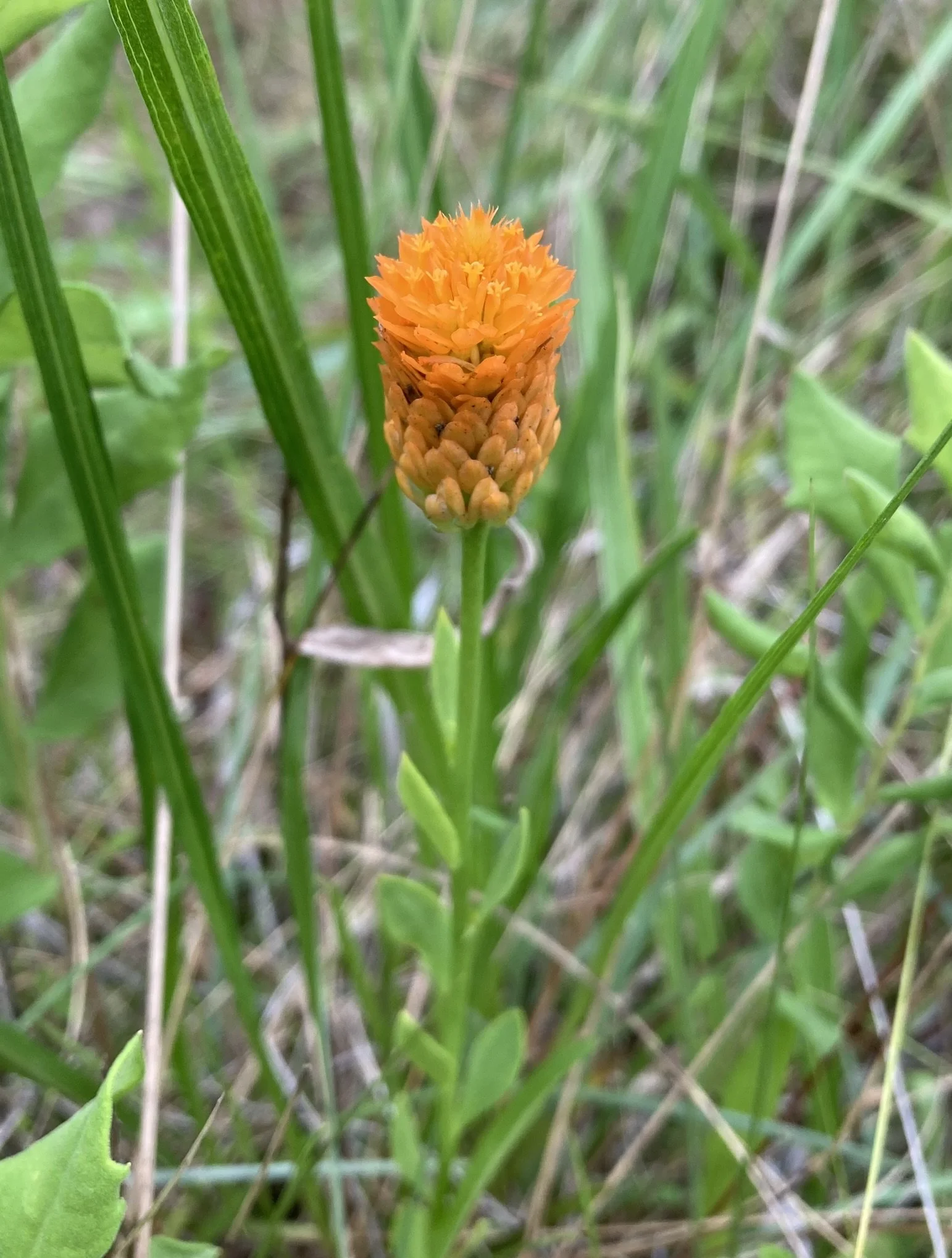
 A specimen of the wonderfully named Bog Cheeto or Red-hot-poker ( Senega lutea ) in a high-quality Longleaf Pine Savanna at the Greenwood Plantation in the Red Hill Region of southern Georgia. Photo by Theo Witsell.

A specimen of the wonderfully named Bog Cheeto or Red-hot-poker (Senega lutea) in a high-quality Longleaf Pine Savanna at the Greenwood Plantation in the Red Hill Region of southern Georgia. Photo by Theo Witsell.

 SGI's Southern Appalachian Grasslands Coordinator Zach Irick exploring a small bog at the base of a cliff deep in the backcountry of Cumberland Gap National Historical Park. Photo by Alaina Krakowiak.

SGI's Southern Appalachian Grasslands Coordinator Zach Irick exploring a small bog at the base of a cliff deep in the backcountry of Cumberland Gap National Historical Park. Photo by Alaina Krakowiak.

 SGI's Central Appalachian Grasslands Coordinator Alaina Krakowiak coring an Eastern red cedar tree (Juniperus virginiana) that is nearly 200 years old. Photo by Laura Boggess.

SGI's Central Appalachian Grasslands Coordinator Alaina Krakowiak coring an Eastern red cedar tree (Juniperus virginiana) that is nearly 200 years old. Photo by Laura Boggess.


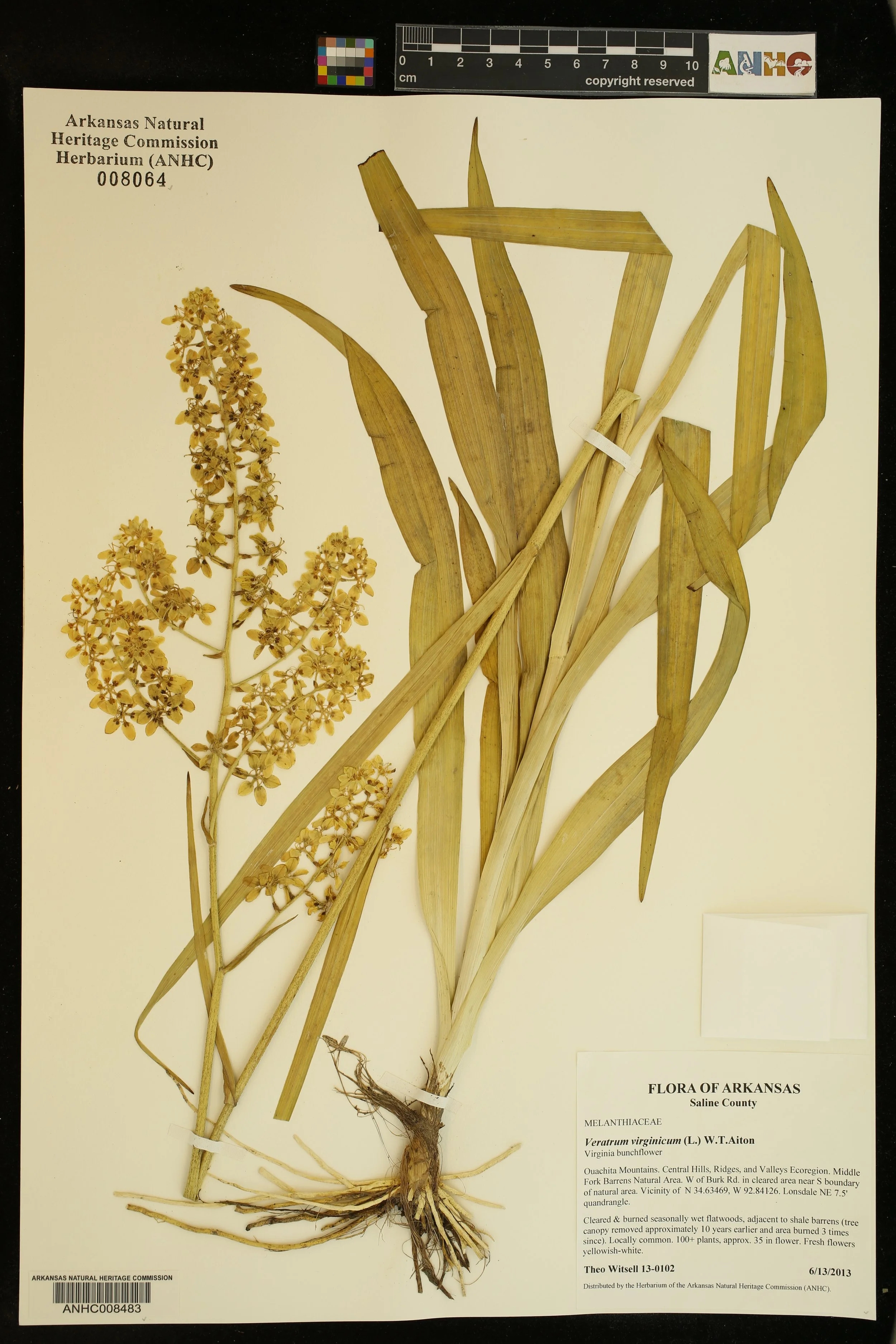
 Herbarium specimens document plant biodiversity at a certain place and time and are an important component of many SGI research projects. This specimen of Virginia Bunchflower ( Melanthium virginicum ) was collected from a rare seasonally-wet shale

Herbarium specimens document plant biodiversity at a certain place and time and are an important component of many SGI research projects. This specimen of Virginia Bunchflower (Melanthium virginicum) was collected from a rare seasonally-wet shale savanna in the Ouachita Mountains. Photo: ANHC.

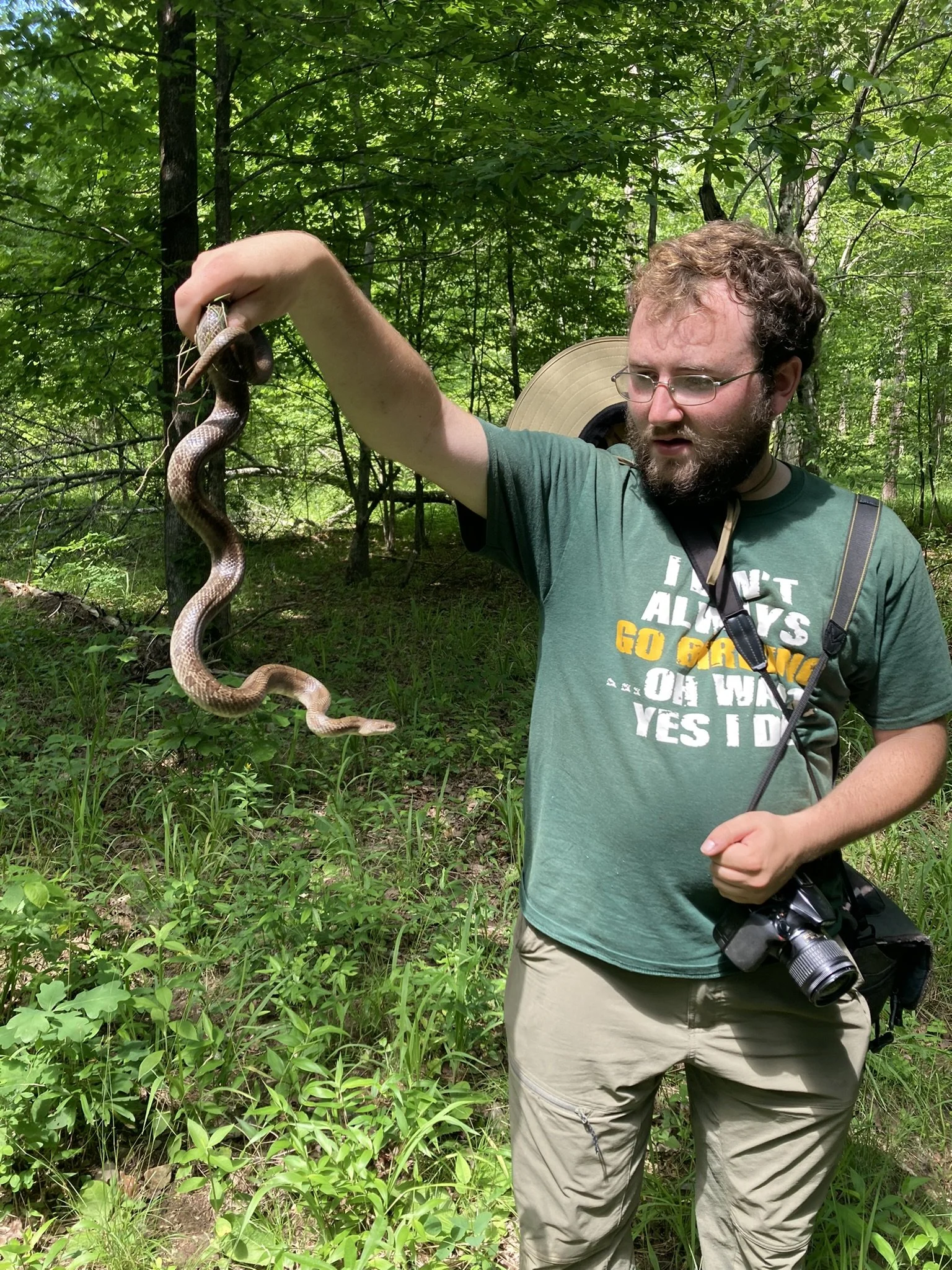
 SGI’s Eastern Region Biologist Jared Gorrell with a Prairie Kingsnake ( Lampropeltis calligaster ) in a fire-maintained woodland in the Ouachita Mountains. Photo by Theo Witsell.

SGI’s Eastern Region Biologist Jared Gorrell with a Prairie Kingsnake (Lampropeltis calligaster) in a fire-maintained woodland in the Ouachita Mountains. Photo by Theo Witsell.

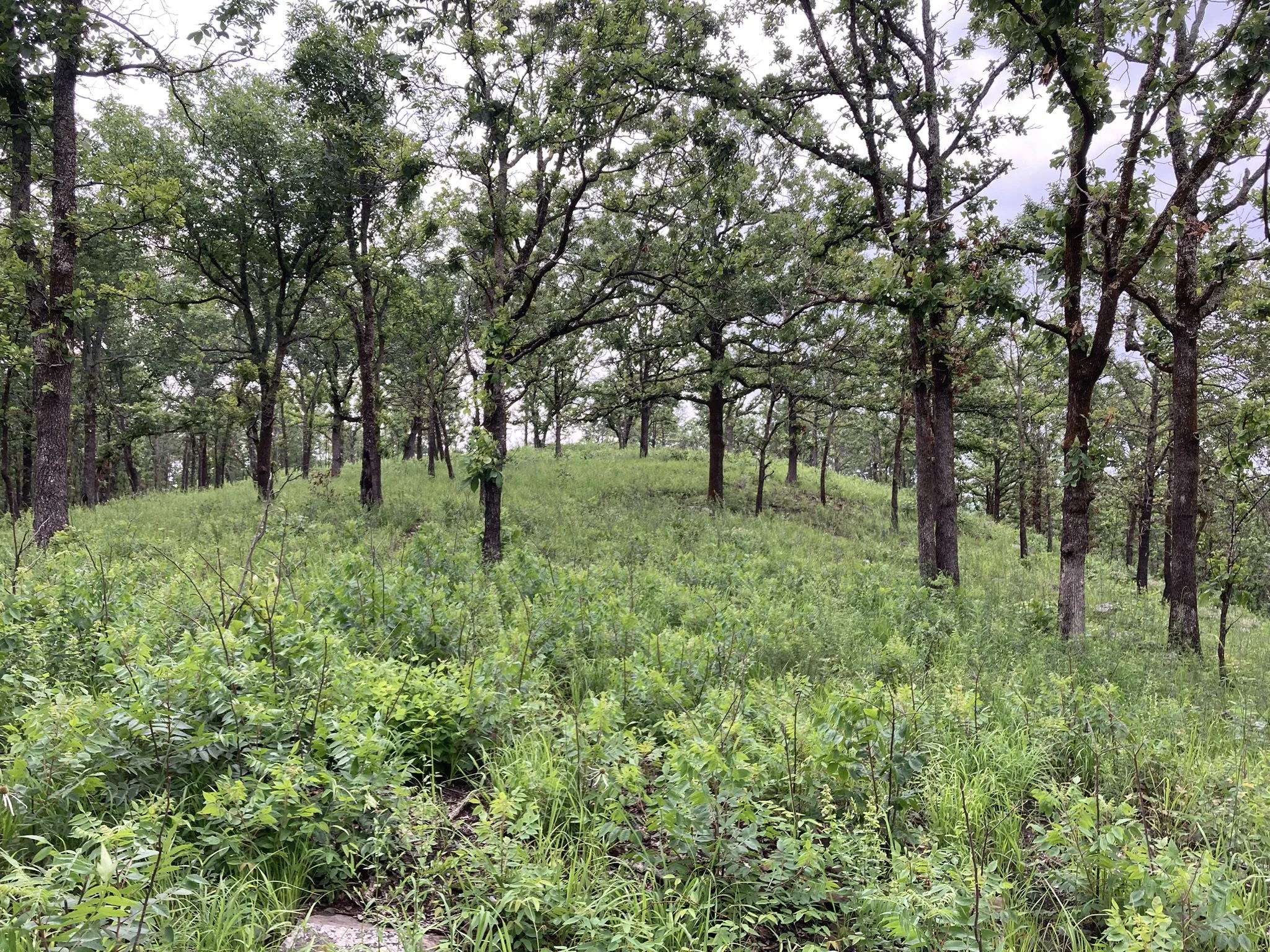
 A reference quality Ouachita Mountain Dry Sandstone Woodland at the Camp Robinson Special Use Area in central Arkansas. This site, with a 100-year prescribed fire history and highly diverse plant community, can be used to assess the quality and rest

A reference quality Ouachita Mountain Dry Sandstone Woodland at the Camp Robinson Special Use Area in central Arkansas. This site, with a 100-year prescribed fire history and highly diverse plant community, can be used to assess the quality and restoration progress of other sites across the region. Photo by Theo Witsell.

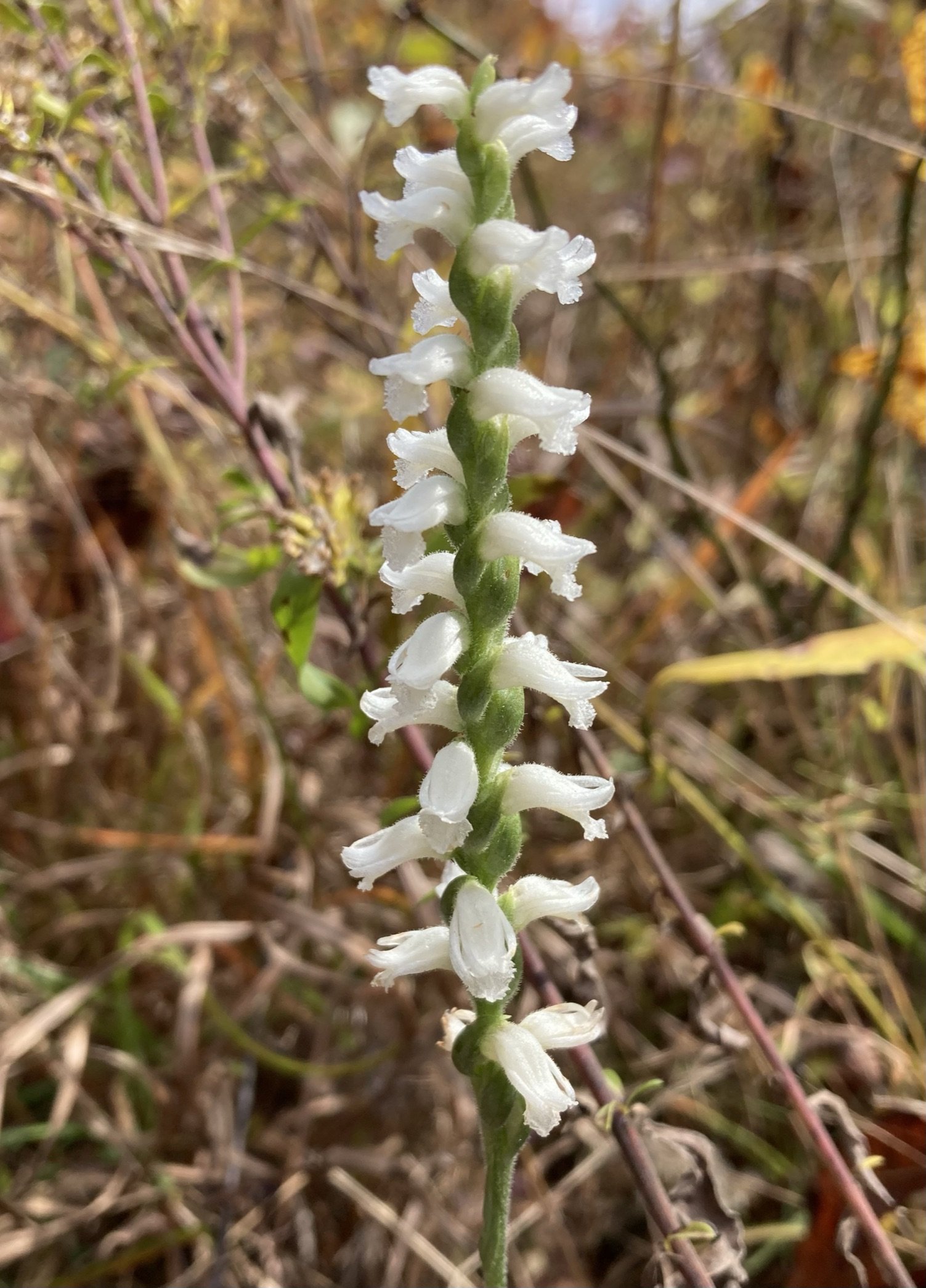
 Yellow Nodding Ladies’-tresses ( Spiranthes ochroleuca ) in a powerline right-of-way at Big South Fork National River and Recreation Area in Tennessee. This is one of many species of sun-loving savanna and open woodland plants hanging on in open rig

Yellow Nodding Ladies’-tresses (Spiranthes ochroleuca) in a powerline right-of-way at Big South Fork National River and Recreation Area in Tennessee. This is one of many species of sun-loving savanna and open woodland plants hanging on in open rights-of-way after surrounding woodlands have become too dense to support them. Photo by Theo Witsell.

 A rare groundwater seep within a remnant Tallgrass Prairie. This rare combination of conditions supports several species of conservation concern including Small-headed Pipewort ( Eriocaulon koernickianum ). Photo by Theo Witsell.

A rare groundwater seep within a remnant Tallgrass Prairie. This rare combination of conditions supports several species of conservation concern including Small-headed Pipewort (Eriocaulon koernickianum). Photo by Theo Witsell.


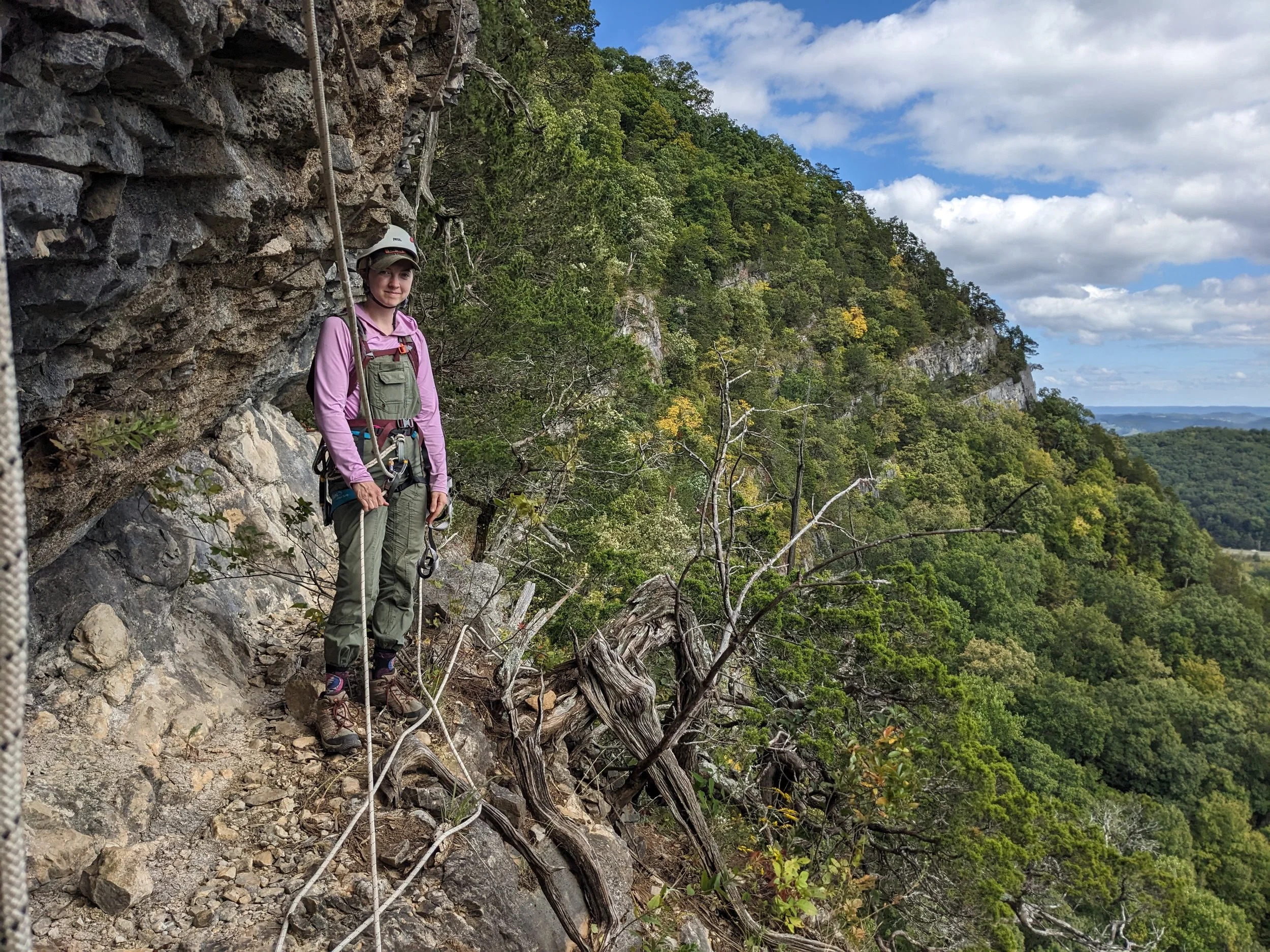
 SGI's Central Appalachian Grasslands Coordinator Alaina Krakowiak standing on a narrow ledge on cliff face at Cumberland Gap National Historical Park, where she surveyed for rare plant species by rappelling. Photo by Laura Boggess.

SGI's Central Appalachian Grasslands Coordinator Alaina Krakowiak standing on a narrow ledge on cliff face at Cumberland Gap National Historical Park, where she surveyed for rare plant species by rappelling. Photo by Laura Boggess.


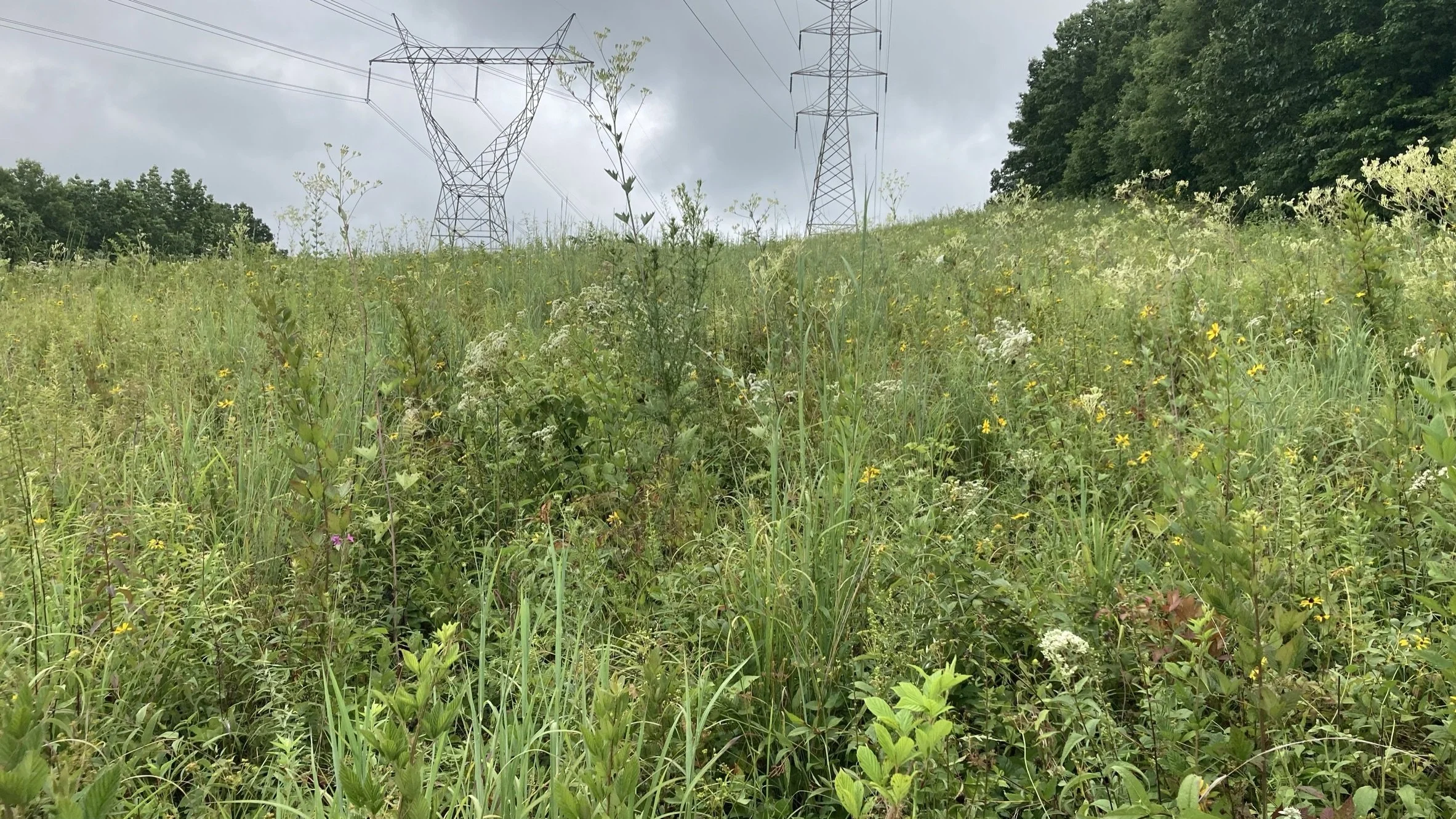
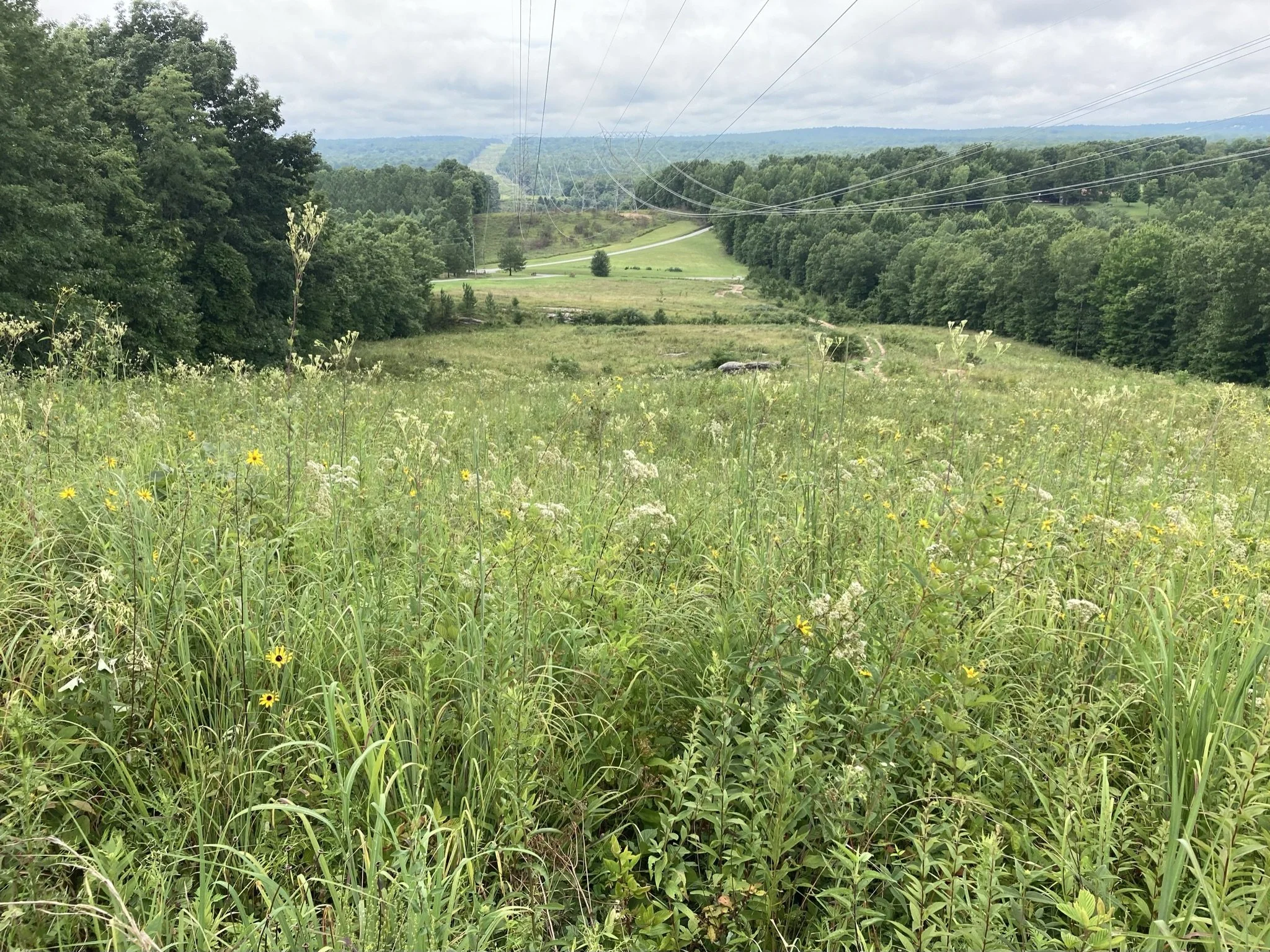
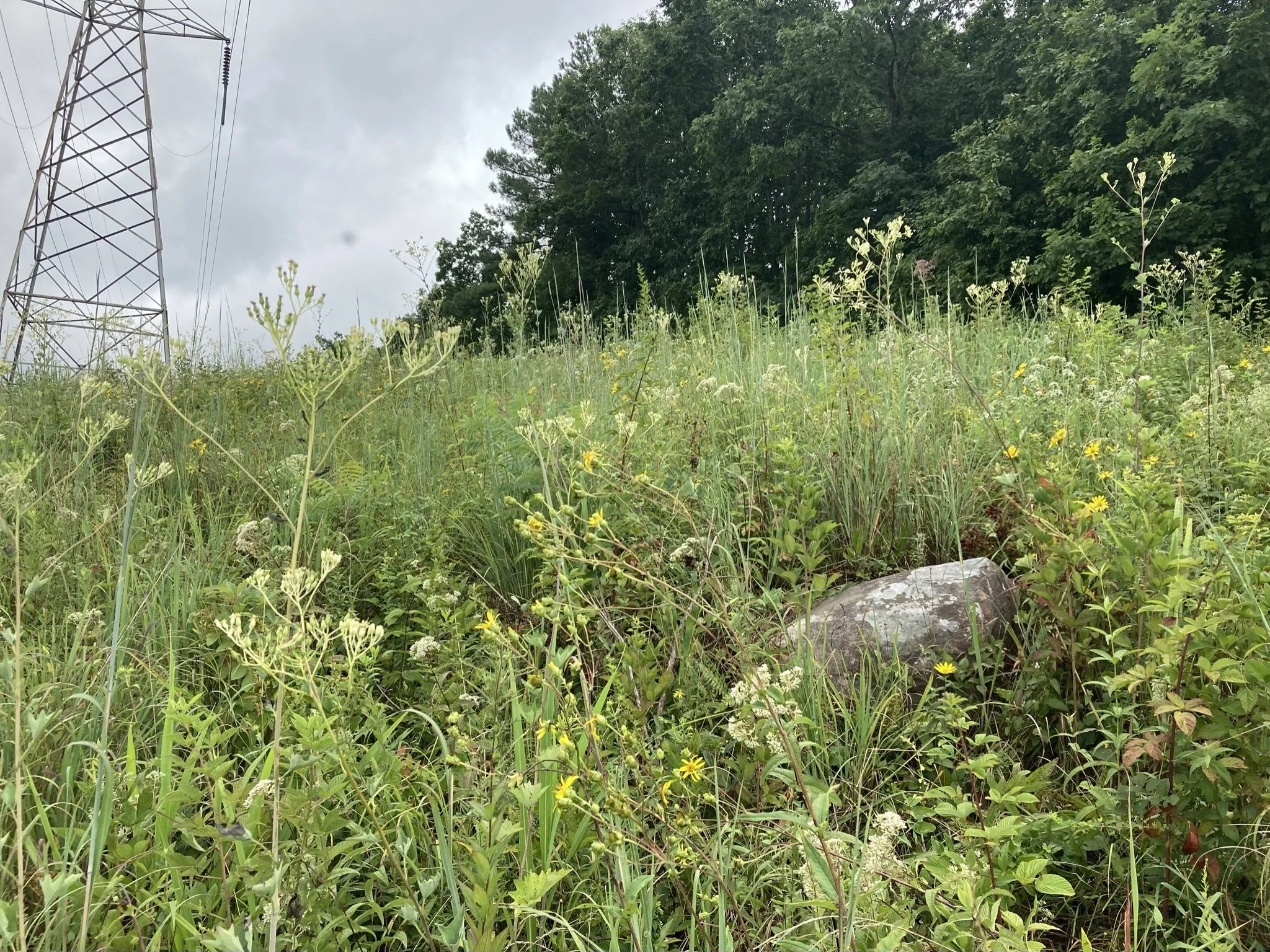
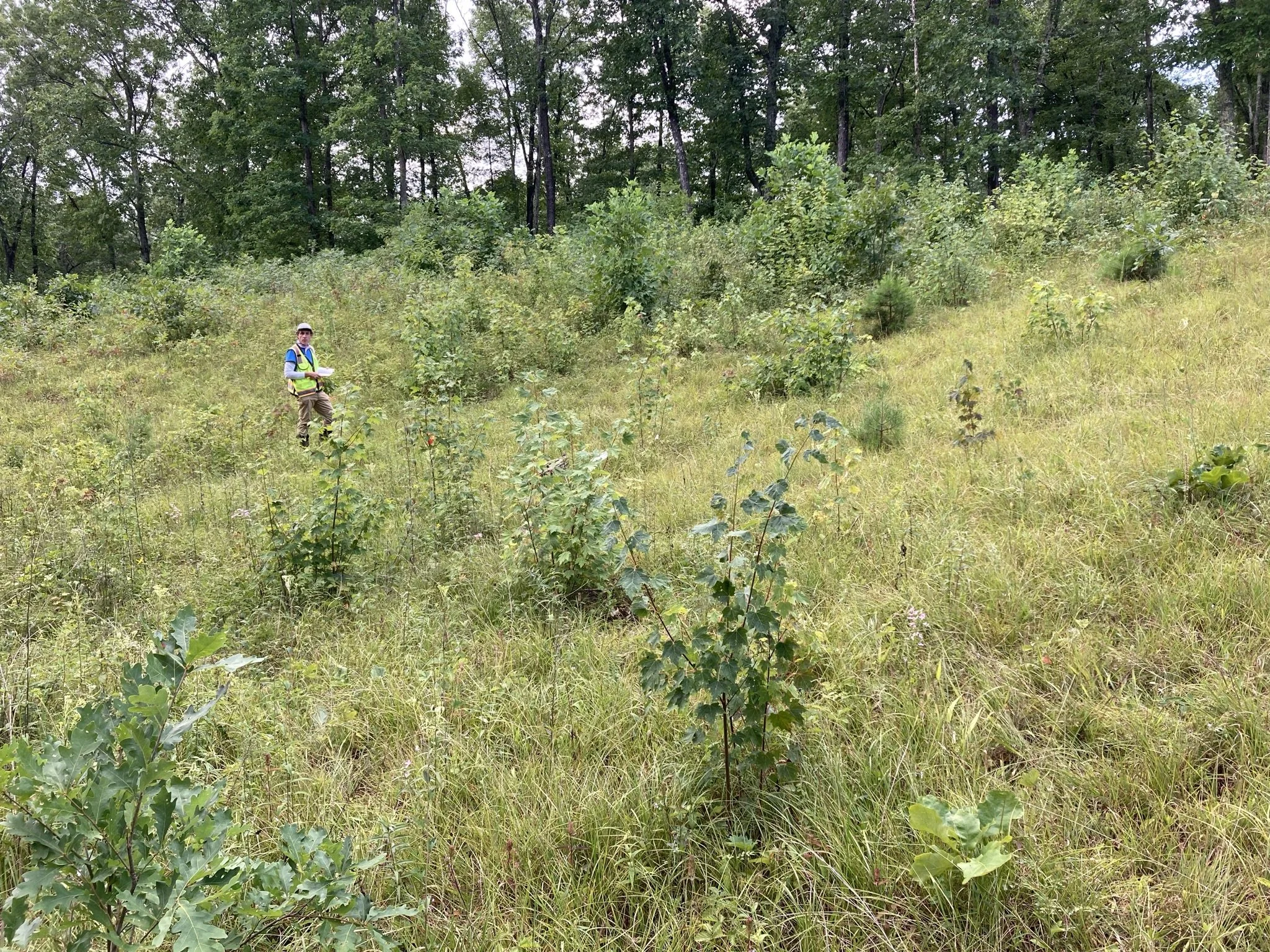
 High-quality grassland remnant in a powerline corridor at Cumberland Trail State Park in Cumberland County, TN. This grassland flora represents the natural ground cover of open savannas found historically in this region of the Cumberland Plateau. To

High-quality grassland remnant in a powerline corridor at Cumberland Trail State Park in Cumberland County, TN. This grassland flora represents the natural ground cover of open savannas found historically in this region of the Cumberland Plateau. Today, these natural communities are rare due to impacts from past land use and encroachment by closed forest in the absence of fire and native herbivores. Photo by Theo Witsell.

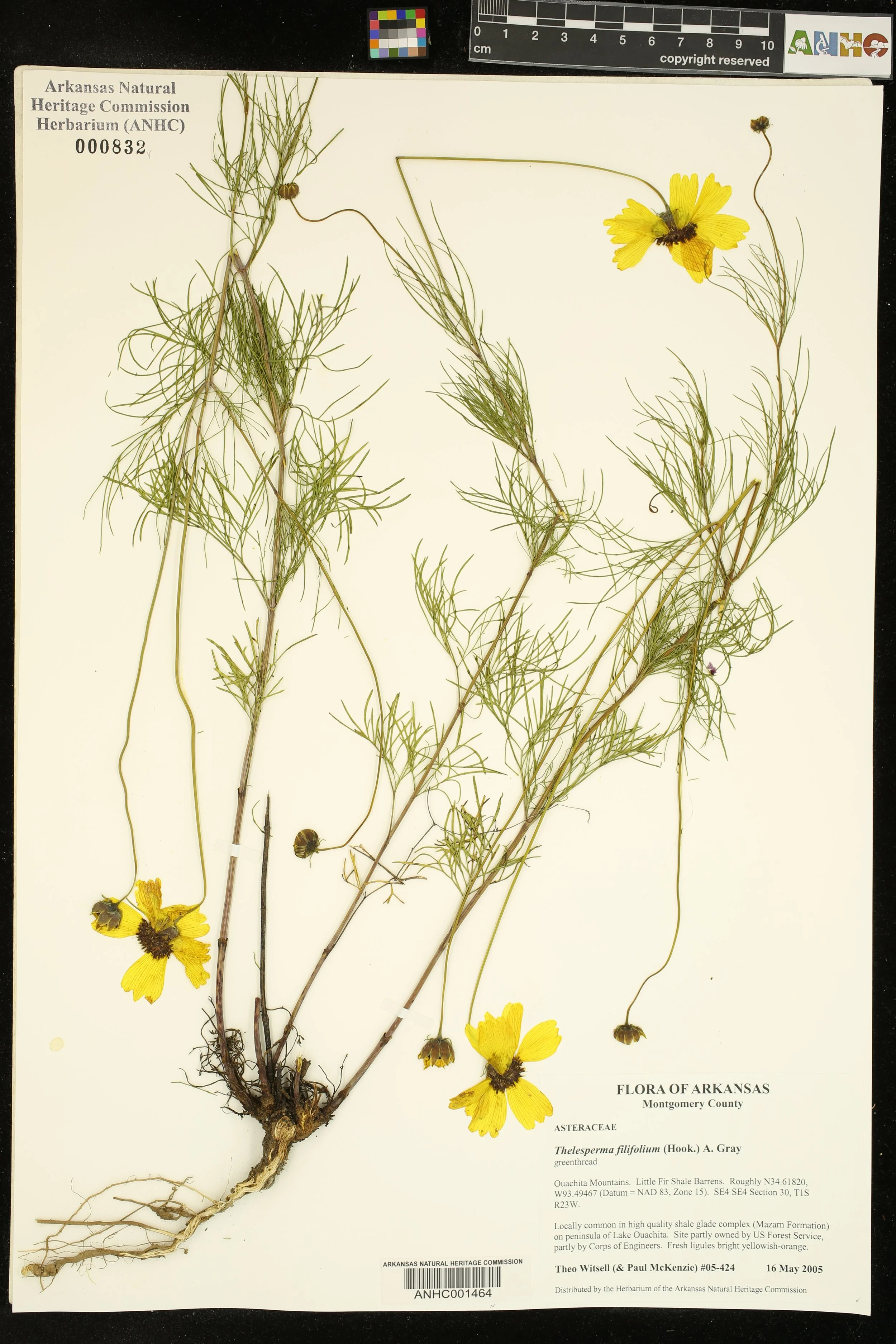
 Herbarium specimens document plant biodiversity at a certain place and time and are an important component of many SGI research projects. This specimen of Greethread ( Thelesperma filifolium ) was collected from a remnant shale barrens in the Ouachi

Herbarium specimens document plant biodiversity at a certain place and time and are an important component of many SGI research projects. This specimen of Greethread (Thelesperma filifolium) was collected from a remnant shale barrens in the Ouachita Mountains. Photo: ANHC.

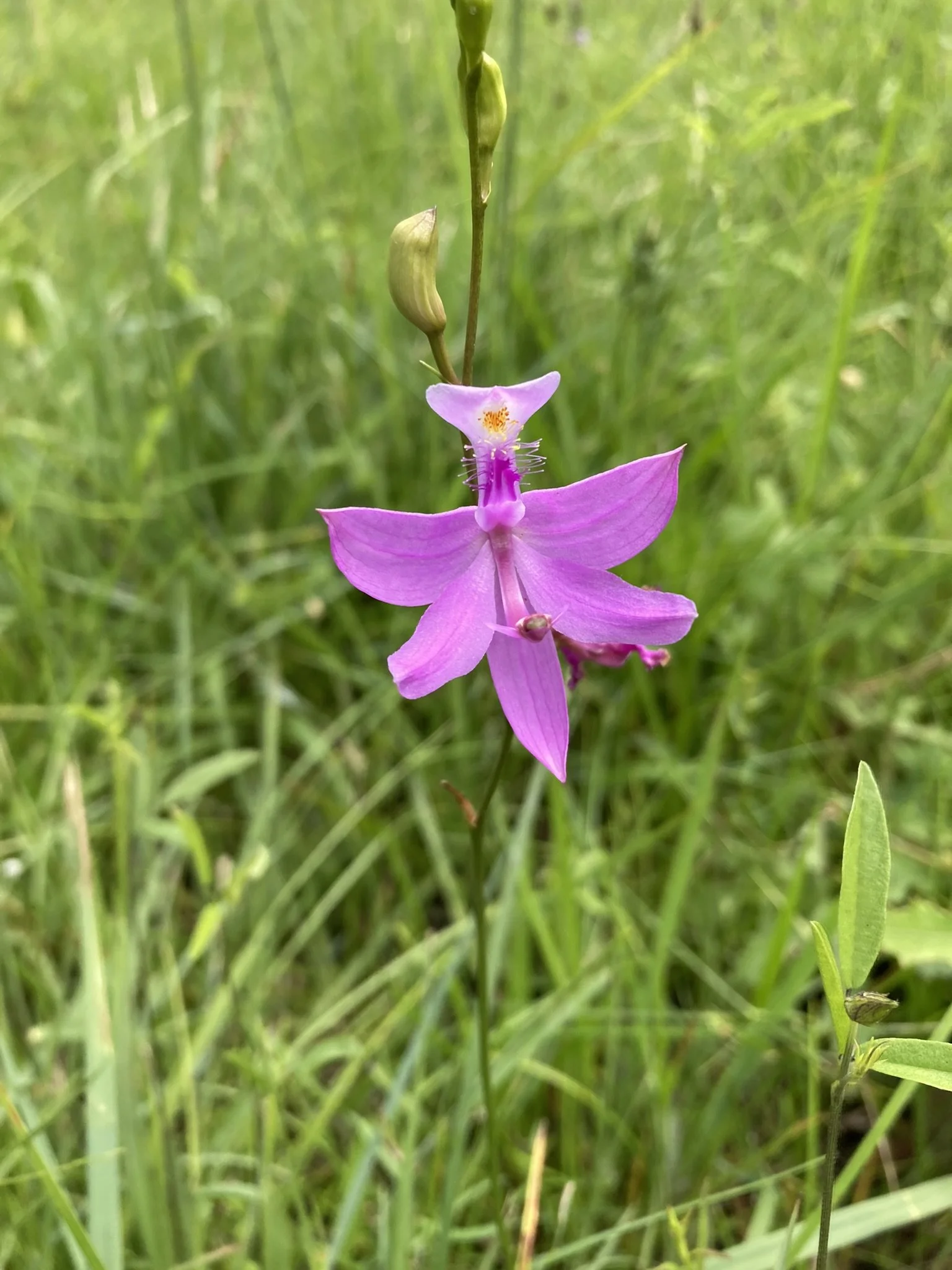
 Grass-pink Orchid ( Calopogon tuberosus ) in a high-quality Longleaf Pine Savanna at the Greenwood Plantation in the Red Hill Region of southern Georgia. Photo by Theo Witsell.

Grass-pink Orchid (Calopogon tuberosus) in a high-quality Longleaf Pine Savanna at the Greenwood Plantation in the Red Hill Region of southern Georgia. Photo by Theo Witsell.


 SGI’s Southern Appalachian Grassland Coordinator Zach Irick (center) and volunteer Ben Benton (foreground) conducting surveys of riverscour habitats along the Clear Fork River within the Big South Fork National River and Recreation Area in Tennessee

SGI’s Southern Appalachian Grassland Coordinator Zach Irick (center) and volunteer Ben Benton (foreground) conducting surveys of riverscour habitats along the Clear Fork River within the Big South Fork National River and Recreation Area in Tennessee. Photo by Theo Witsell.

 Restoration technician Erin Gamst documenting prairie willow ( Salix humilis ) while sampling a vegetation plot in a degraded grassland remnant at Fredericksburg and Spotsylvania National Military Park. Photo by Alaina Krakowiak.

Restoration technician Erin Gamst documenting prairie willow (Salix humilis) while sampling a vegetation plot in a degraded grassland remnant at Fredericksburg and Spotsylvania National Military Park. Photo by Alaina Krakowiak.

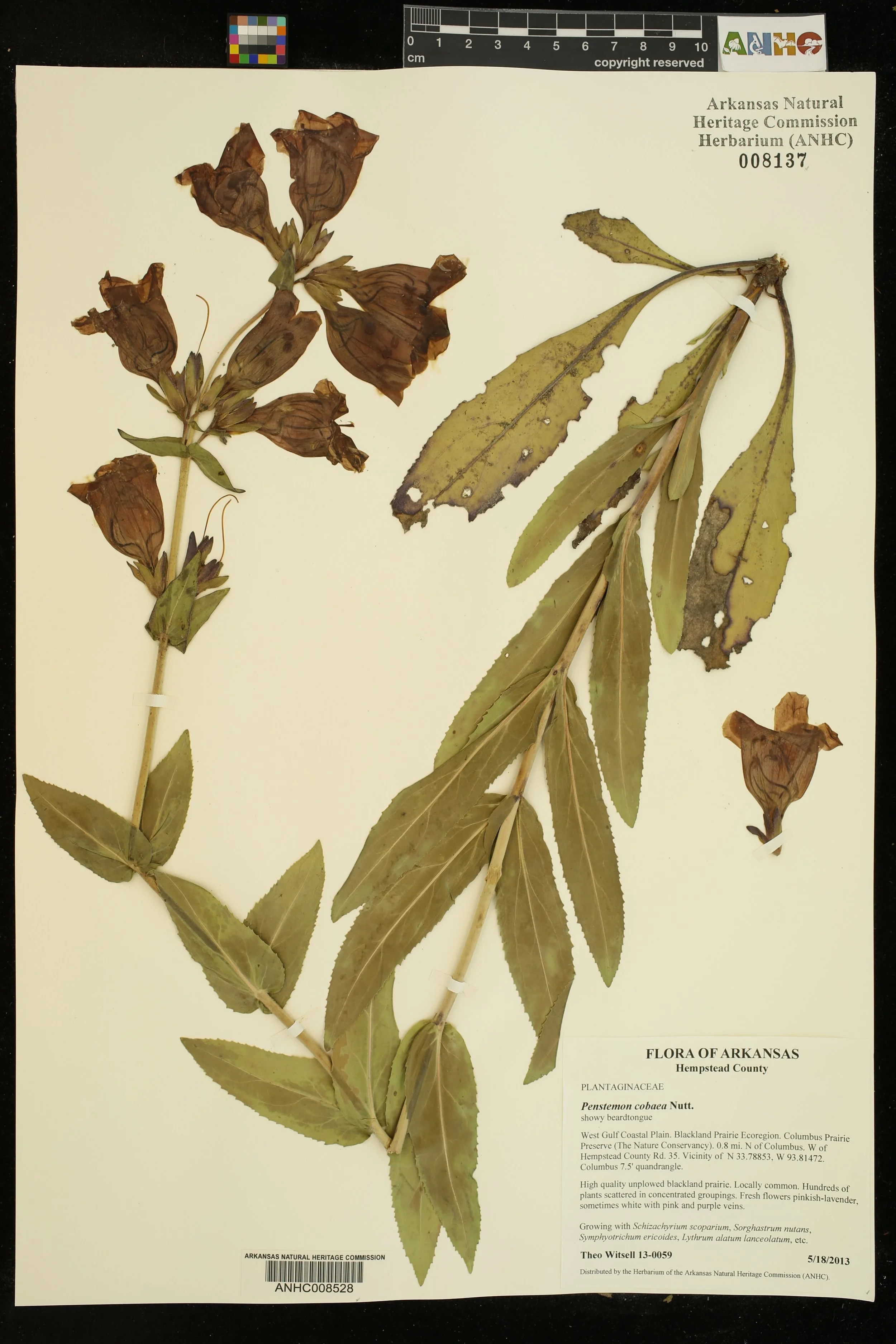
 Herbarium specimens document plant biodiversity at a certain place and time and are an important component of many SGI research projects. This specimen of of Showy Beardtongue ( Penstemon cobaea ) was collected from a high-quality Blackland Prairie

Herbarium specimens document plant biodiversity at a certain place and time and are an important component of many SGI research projects. This specimen of of Showy Beardtongue (Penstemon cobaea) was collected from a high-quality Blackland Prairie remnant in the West Gulf Coastal Plain of Southwest Arkansas. Photo: ANHC.

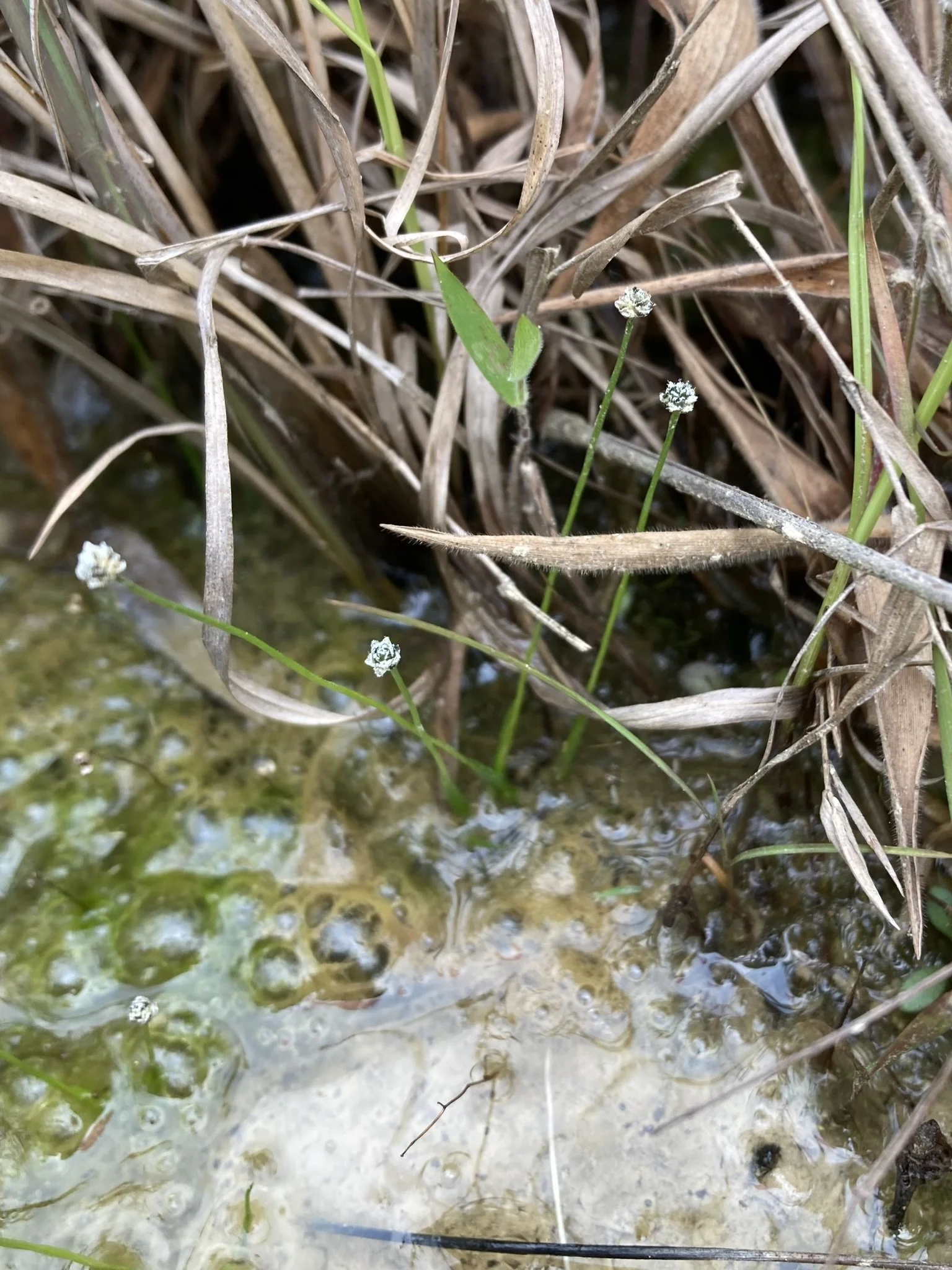
 Specimen of the globally rare Small-headed Pipewort ( Eriocaulon koernickianum ) in a seepage wetland within a high-quality remnant tallgrass prairie in the Arkansas Valley of central Arkansas. This population represents a previously unknown site fo

Specimen of the globally rare Small-headed Pipewort (Eriocaulon koernickianum) in a seepage wetland within a high-quality remnant tallgrass prairie in the Arkansas Valley of central Arkansas. This population represents a previously unknown site for this species and the third known from this rare habitat type. Photo by Theo Witsell.

 SGI Chief Conservation Officer Theo Witsell and Executive Director Dwayne Estes with a large haul of plant specimens from riverscour habitats on the South Fourche LaFave River in the Ouachita Mountains of Arkansas. Photo by Todd Crabtree.

SGI Chief Conservation Officer Theo Witsell and Executive Director Dwayne Estes with a large haul of plant specimens from riverscour habitats on the South Fourche LaFave River in the Ouachita Mountains of Arkansas. Photo by Todd Crabtree.


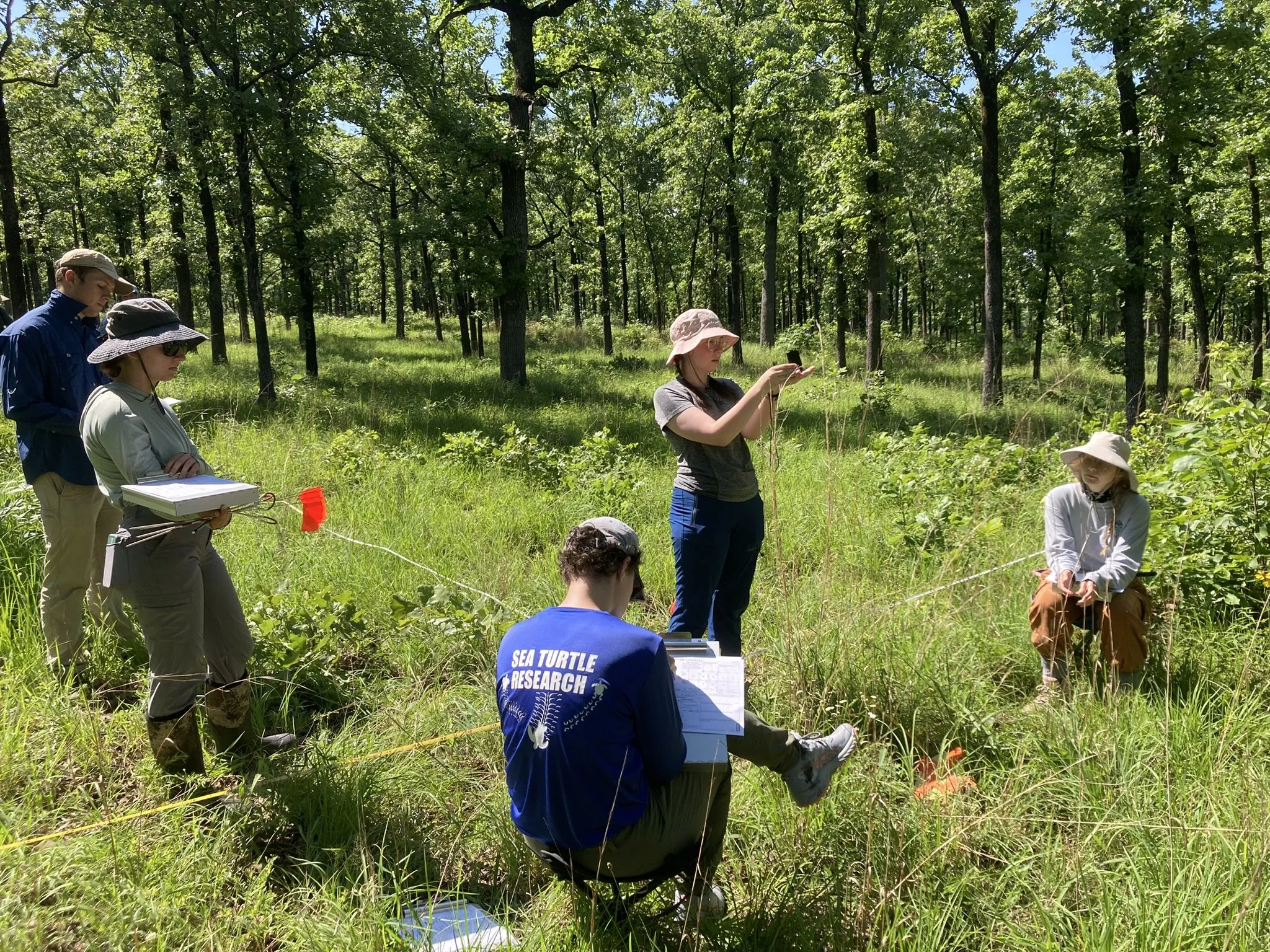
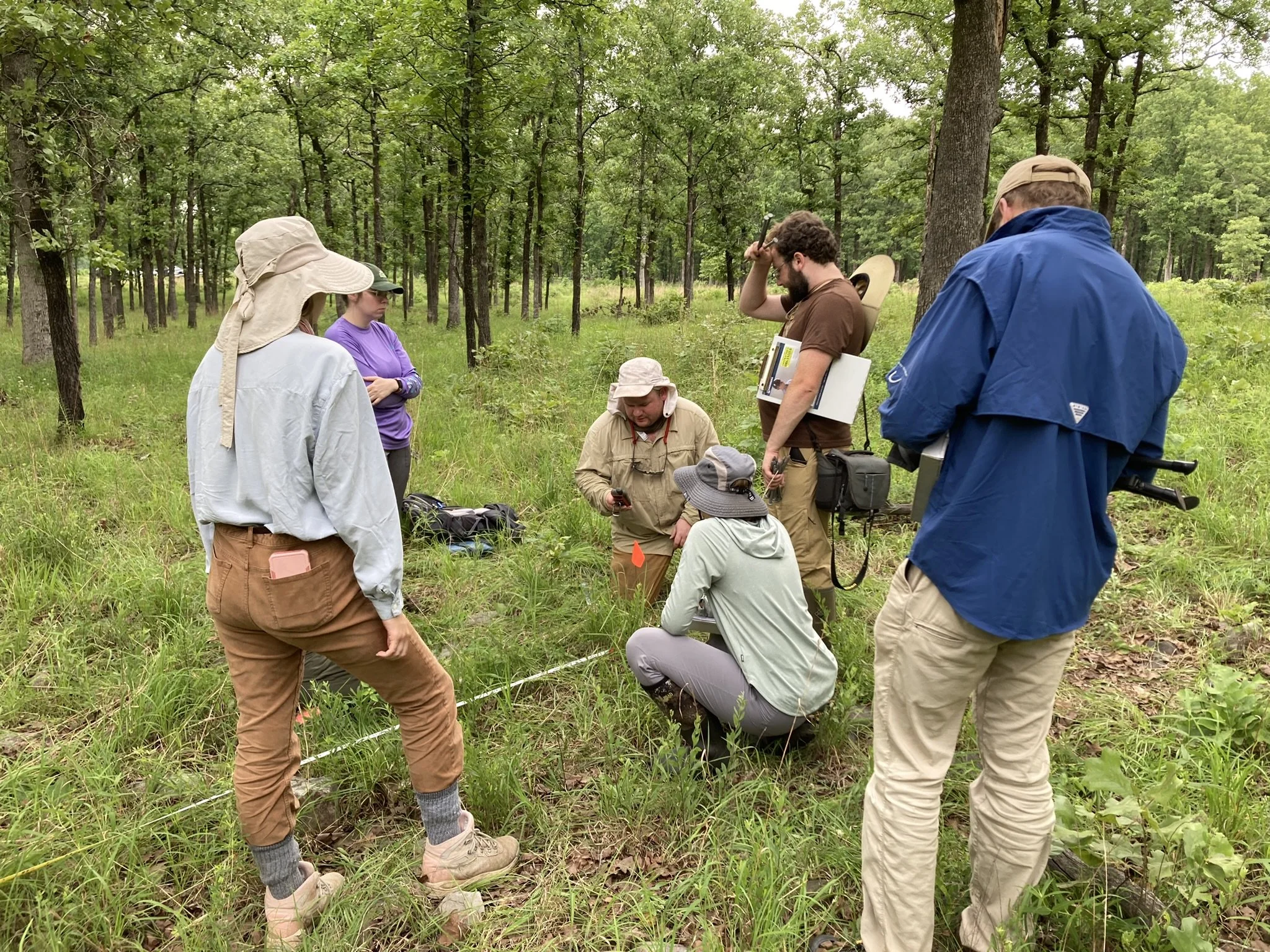
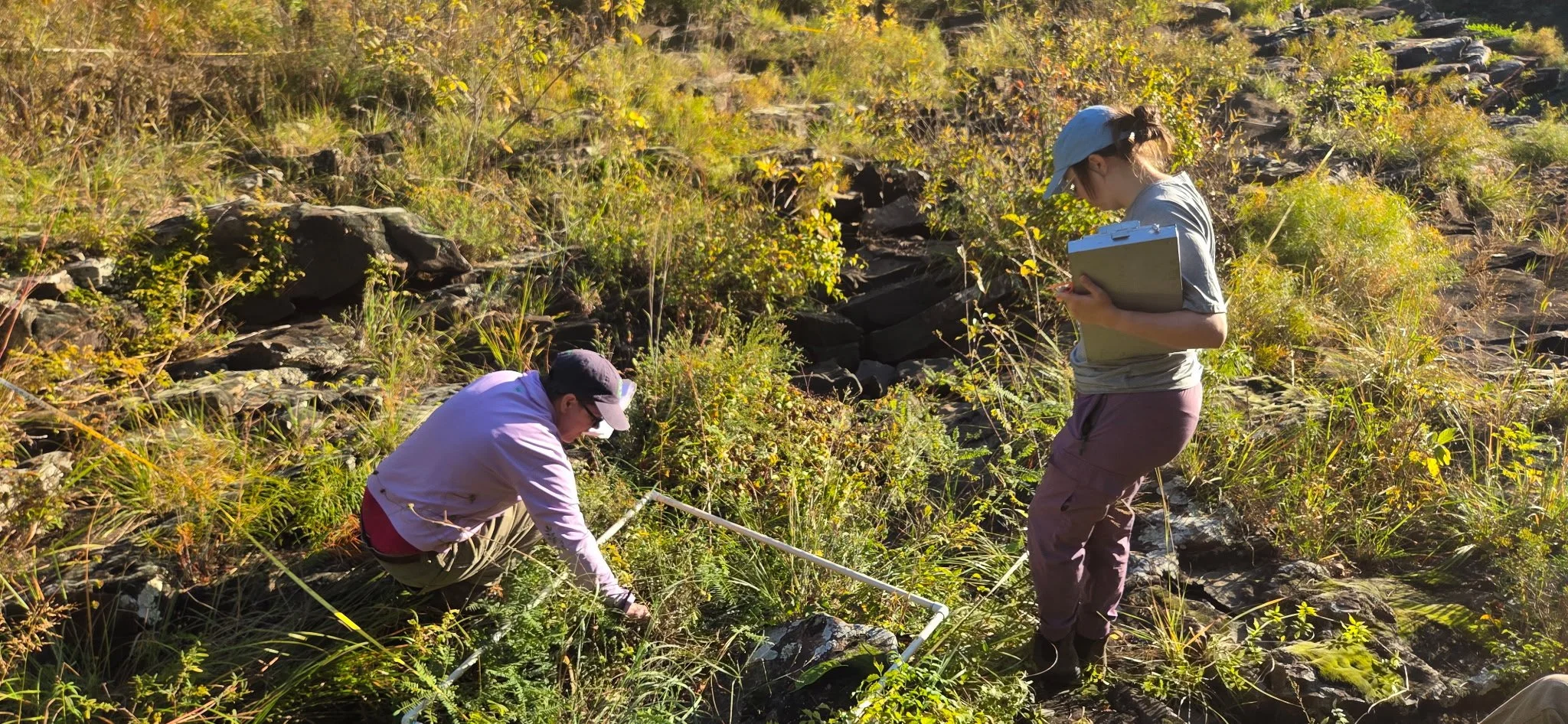
 SGI field staff training in vegetation plot sampling in an old-growth post oak savanna/woodland complex at the Camp Robinson Special Use Area in Central Arkansas. Photo by Theo Witsell.

SGI field staff training in vegetation plot sampling in an old-growth post oak savanna/woodland complex at the Camp Robinson Special Use Area in Central Arkansas. Photo by Theo Witsell.


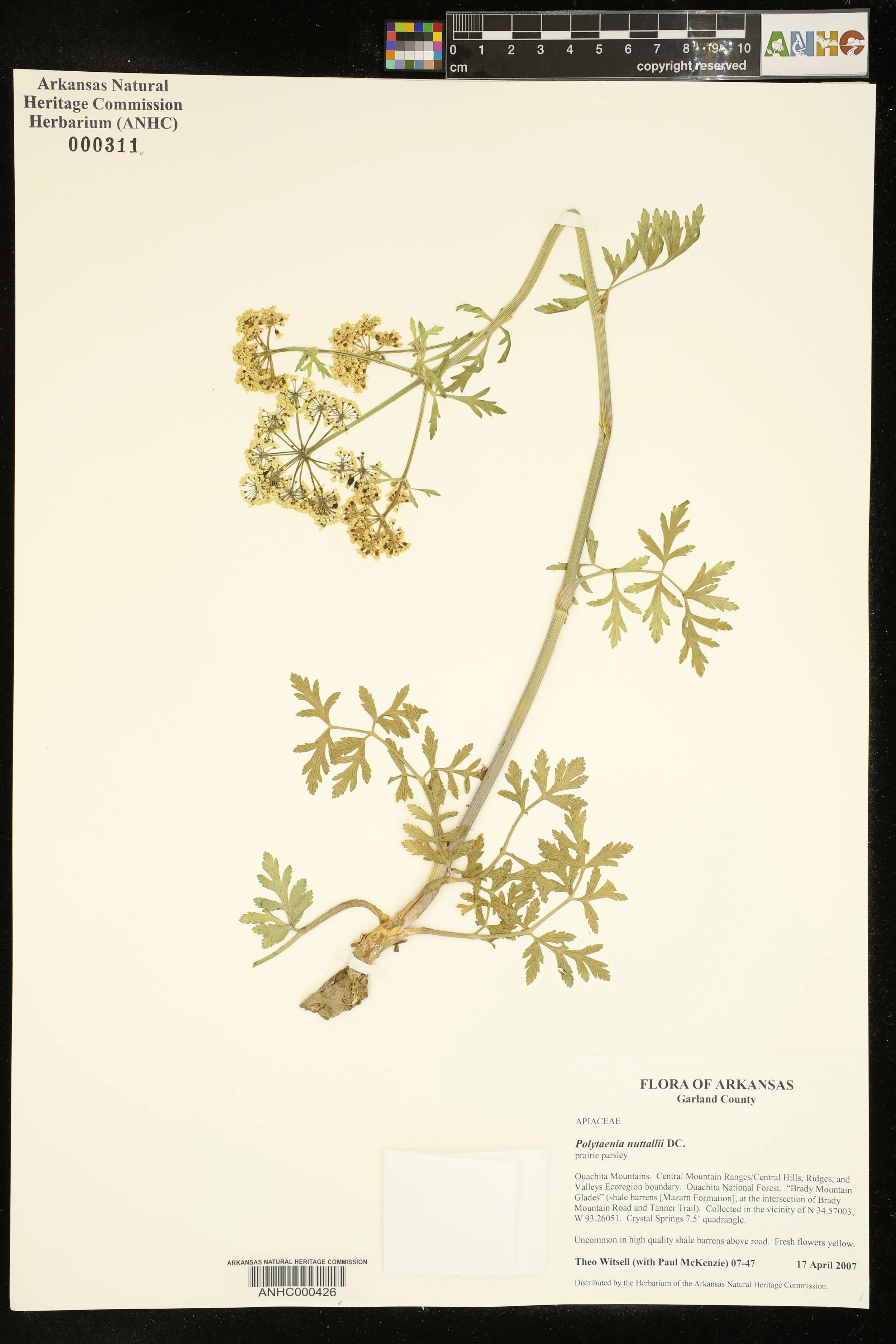
 Herbarium specimens document plant biodiversity at a certain place and time and are an important component of many SGI research projects. This specimen of Prairie Parsley ( Polytaenia nuttallii ) from a remnant shale barrens in the Ouachita Mountain

Herbarium specimens document plant biodiversity at a certain place and time and are an important component of many SGI research projects. This specimen of Prairie Parsley (Polytaenia nuttallii) from a remnant shale barrens in the Ouachita Mountains. Photo: ANHC.

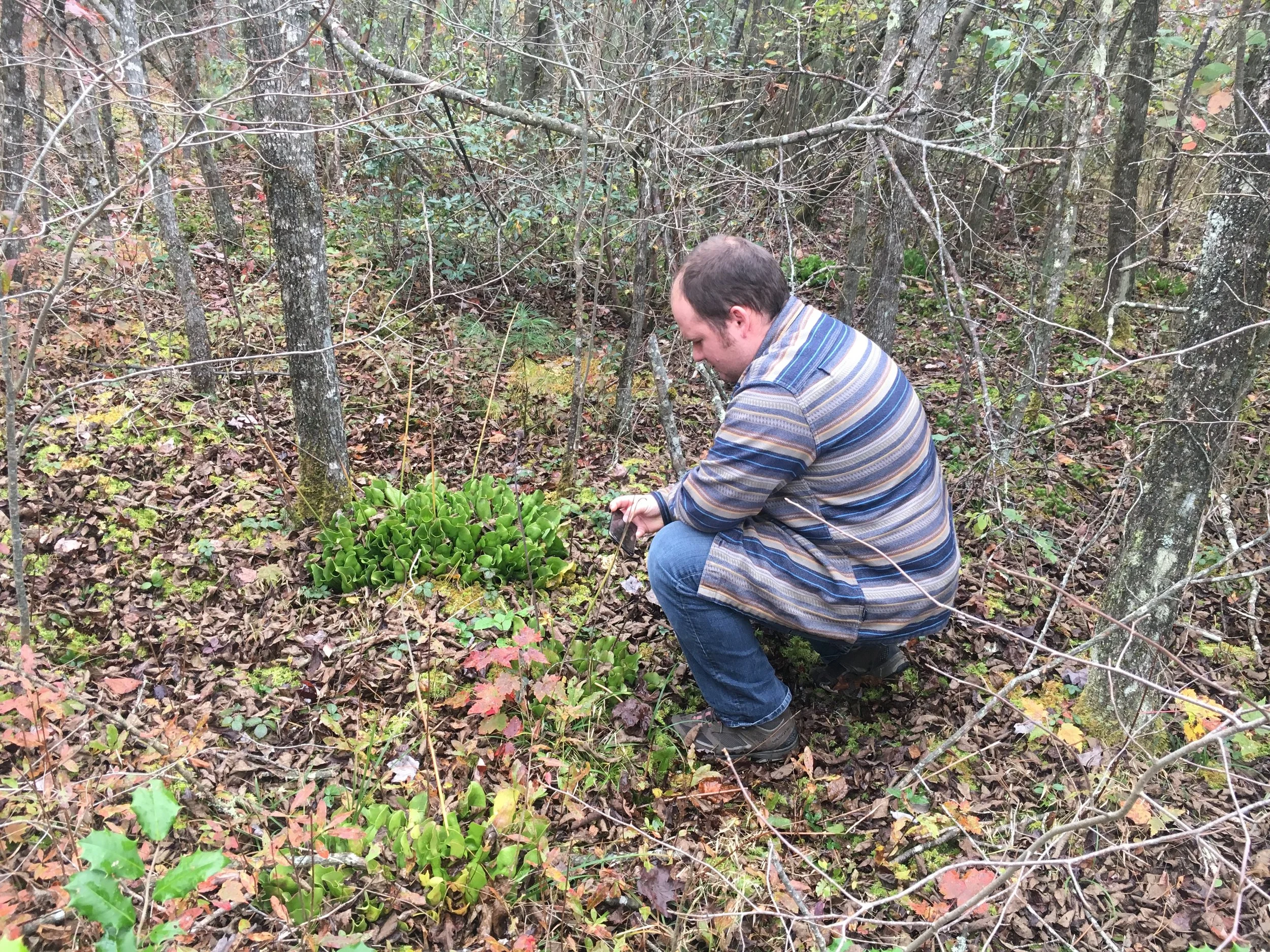
 SGI’s southern Appalachian coordinator Zach Irick monitoring a population of the federally listed endangered Green Pitcherplant ( Sarracenia oreophila ) at Dulaney Bog in North Carolina. Photo by Theo Witsell.

SGI’s southern Appalachian coordinator Zach Irick monitoring a population of the federally listed endangered Green Pitcherplant (Sarracenia oreophila) at Dulaney Bog in North Carolina. Photo by Theo Witsell.

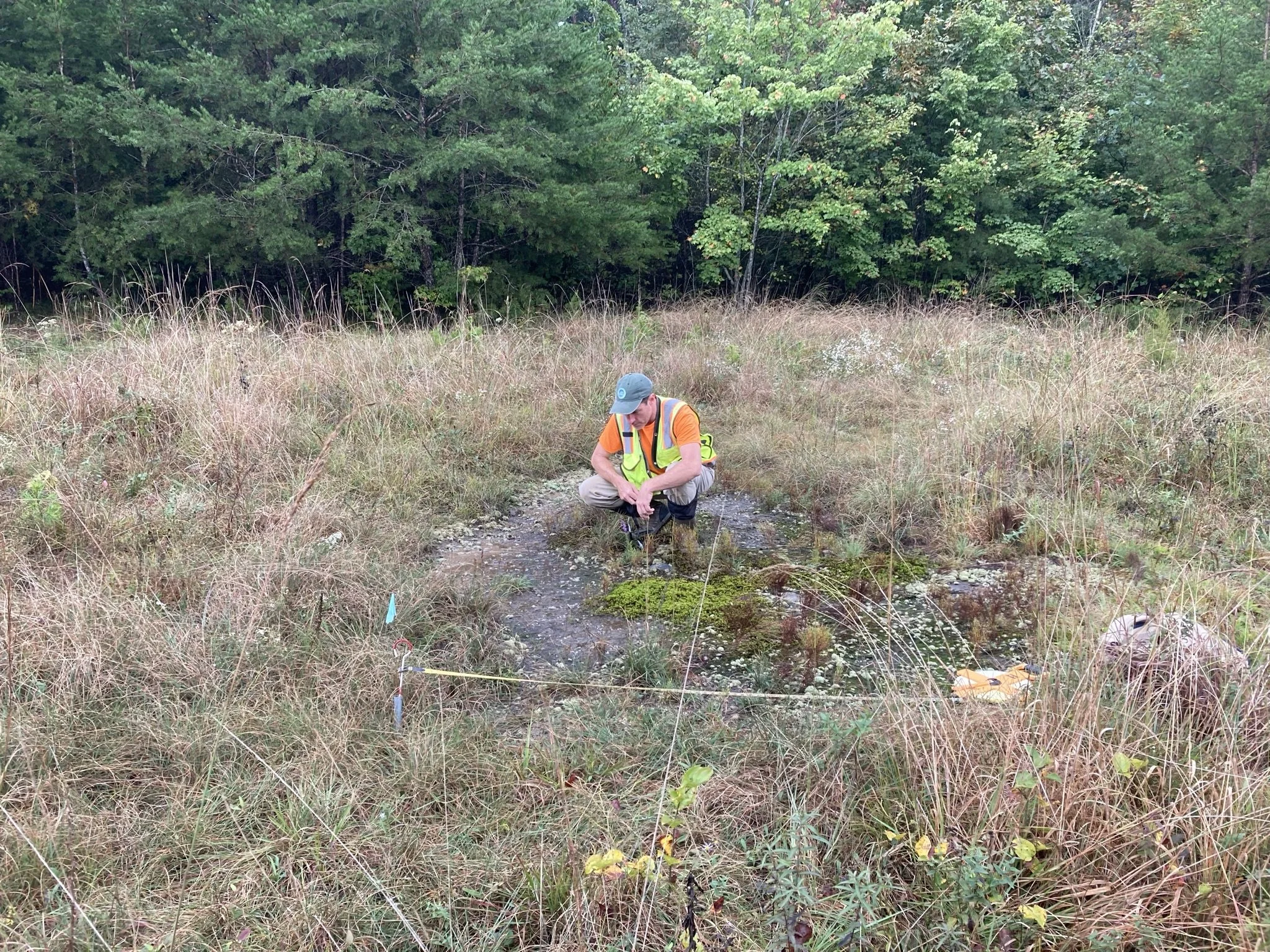
 Tennessee Natural Heritage Program Ecologist Adam Dattilo sampling a Cumberland Plateau Sandstone Glade and Barrens community in a Tennessee Valley Authority powerline right-of-way at Laurel Snow State Natural Area in Tennessee. This work was part o

Tennessee Natural Heritage Program Ecologist Adam Dattilo sampling a Cumberland Plateau Sandstone Glade and Barrens community in a Tennessee Valley Authority powerline right-of-way at Laurel Snow State Natural Area in Tennessee. This work was part of a collaborative study by SGI, the Tennessee Valley Authority, and the Electric Power Research Institute. Photo by Theo Witsell.

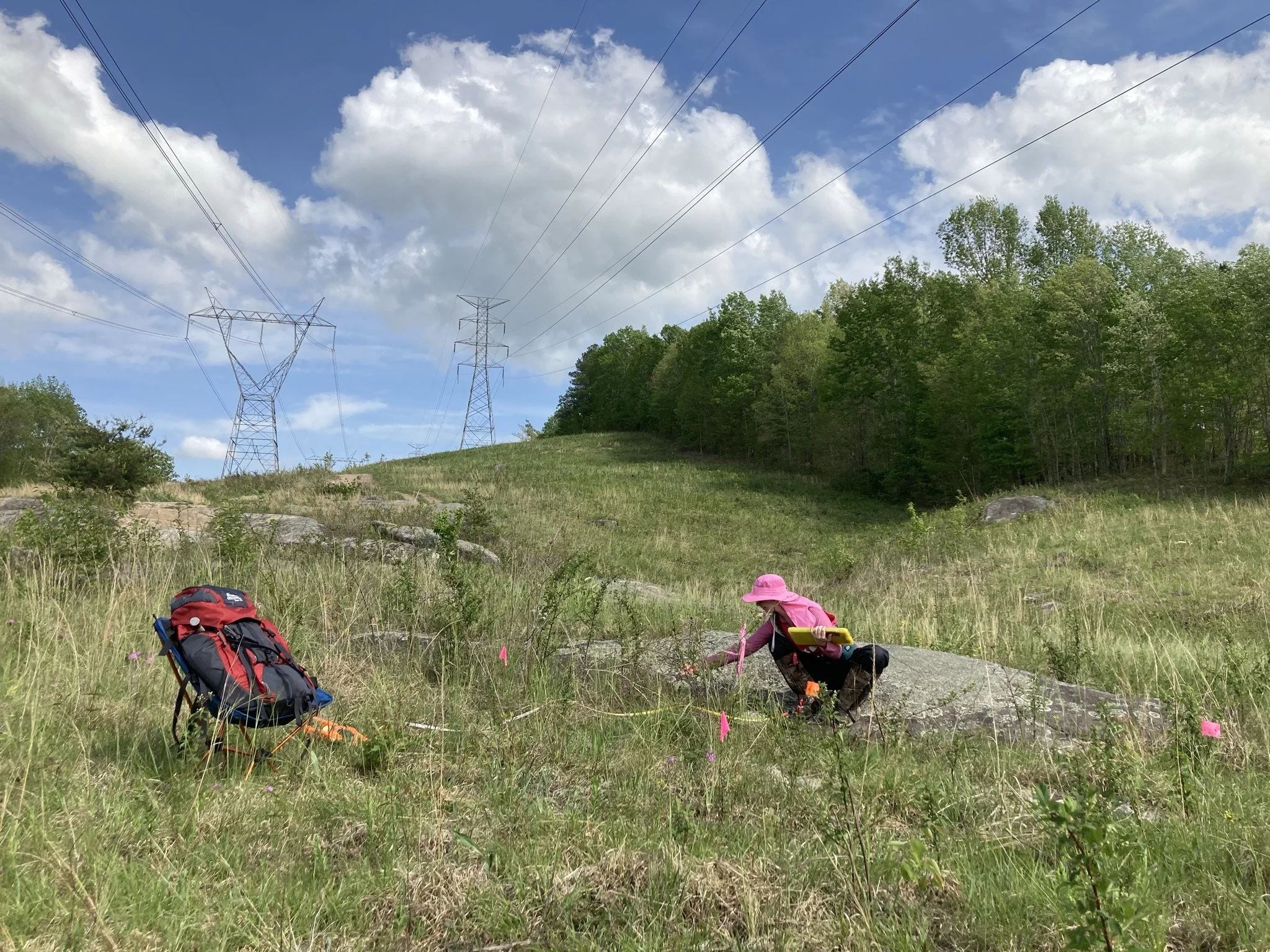
 SGI Field Technician Brittney Georgic sampling remnant grassland vegetation in a Tennessee Valley Authority powerline right-of-way on the Cumberland Plateau of Tennessee. This work was part of a collaborative study by SGI, the Tennessee Valley Autho

SGI Field Technician Brittney Georgic sampling remnant grassland vegetation in a Tennessee Valley Authority powerline right-of-way on the Cumberland Plateau of Tennessee. This work was part of a collaborative study by SGI, the Tennessee Valley Authority, and the Electric Power Research Institute. Photo by Theo Witsell.


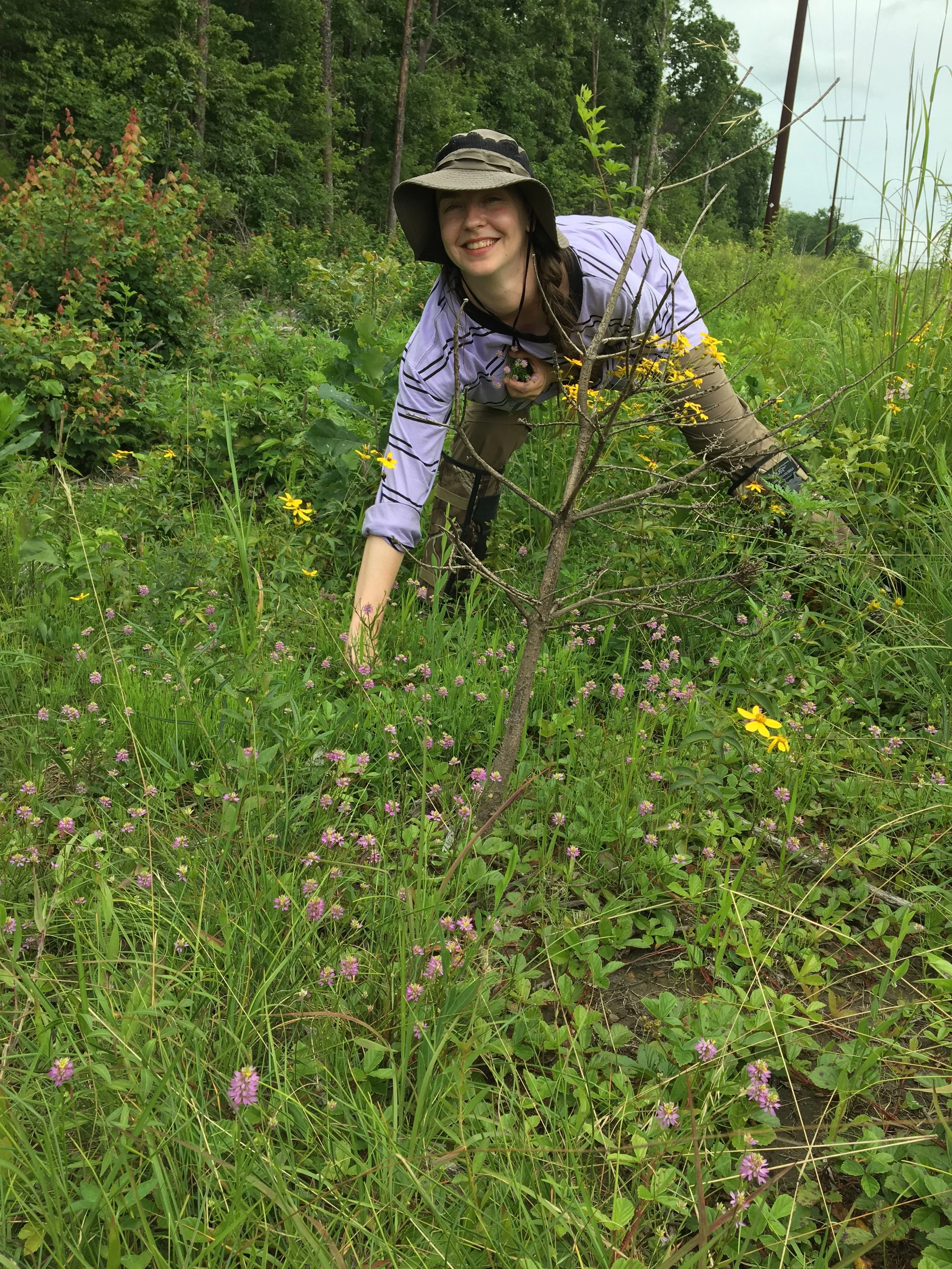
 SGI Field Technician Brittney Georgic inspecting a population of Appalachian Milkwort ( Senega curtissii ) in a Tennessee Valley Authority powerline right-of-way on Bledsoe State Forest in Tennessee. This work was part of a collaborative study by SG

SGI Field Technician Brittney Georgic inspecting a population of Appalachian Milkwort (Senega curtissii) in a Tennessee Valley Authority powerline right-of-way on Bledsoe State Forest in Tennessee. This work was part of a collaborative study by SGI, the Tennessee Valley Authority, and the Electric Power Research Institute. Photo by Theo Witsell.

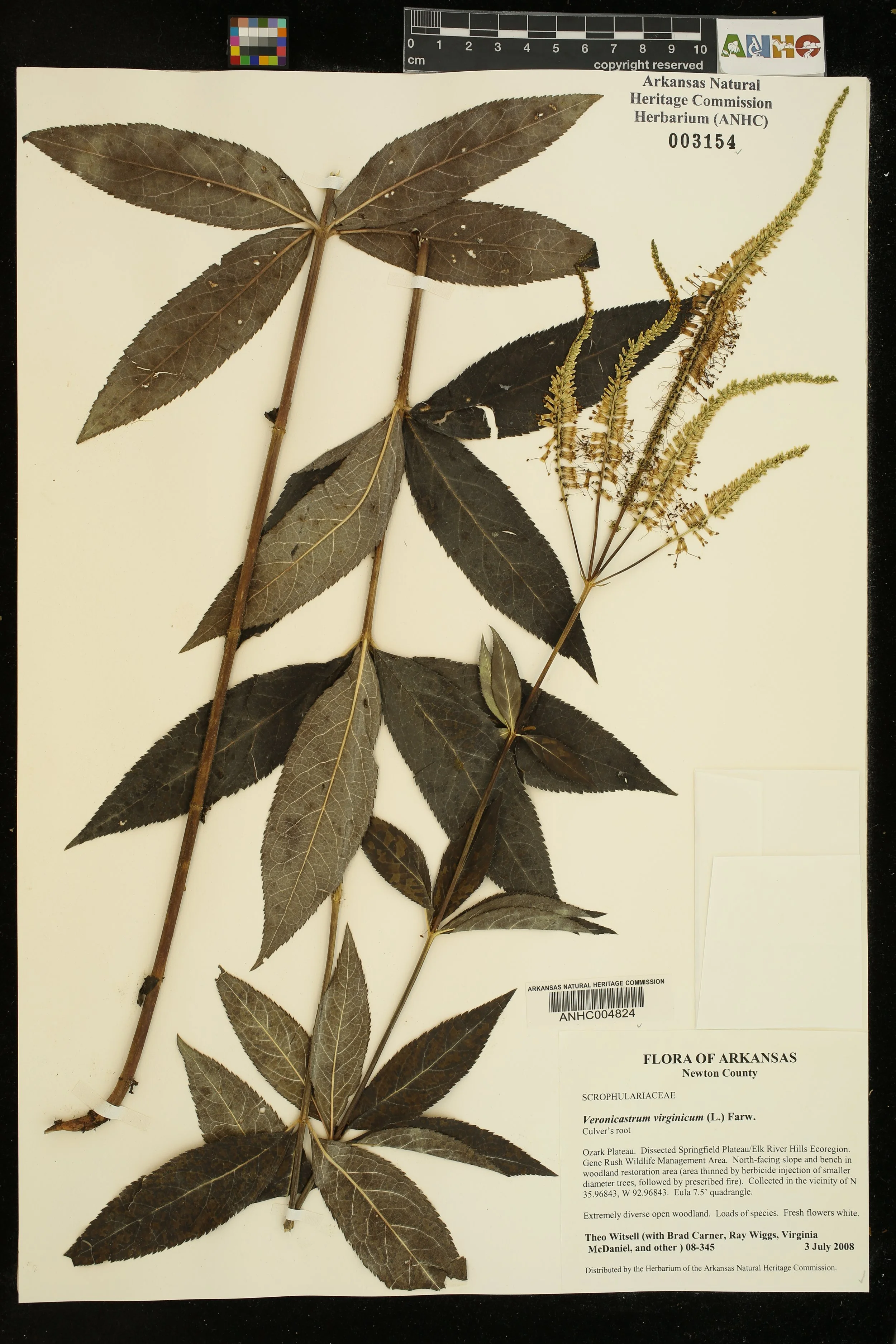
 Herbarium specimens document plant biodiversity at a certain place and time and are an important component of many SGI research projects. This specimen of Culver’s Root ( Veronicastrum virginicum ) was collected from a pine-oak woodland in the Ozark

Herbarium specimens document plant biodiversity at a certain place and time and are an important component of many SGI research projects. This specimen of Culver’s Root (Veronicastrum virginicum) was collected from a pine-oak woodland in the Ozark Highlands. Photo: ANHC.

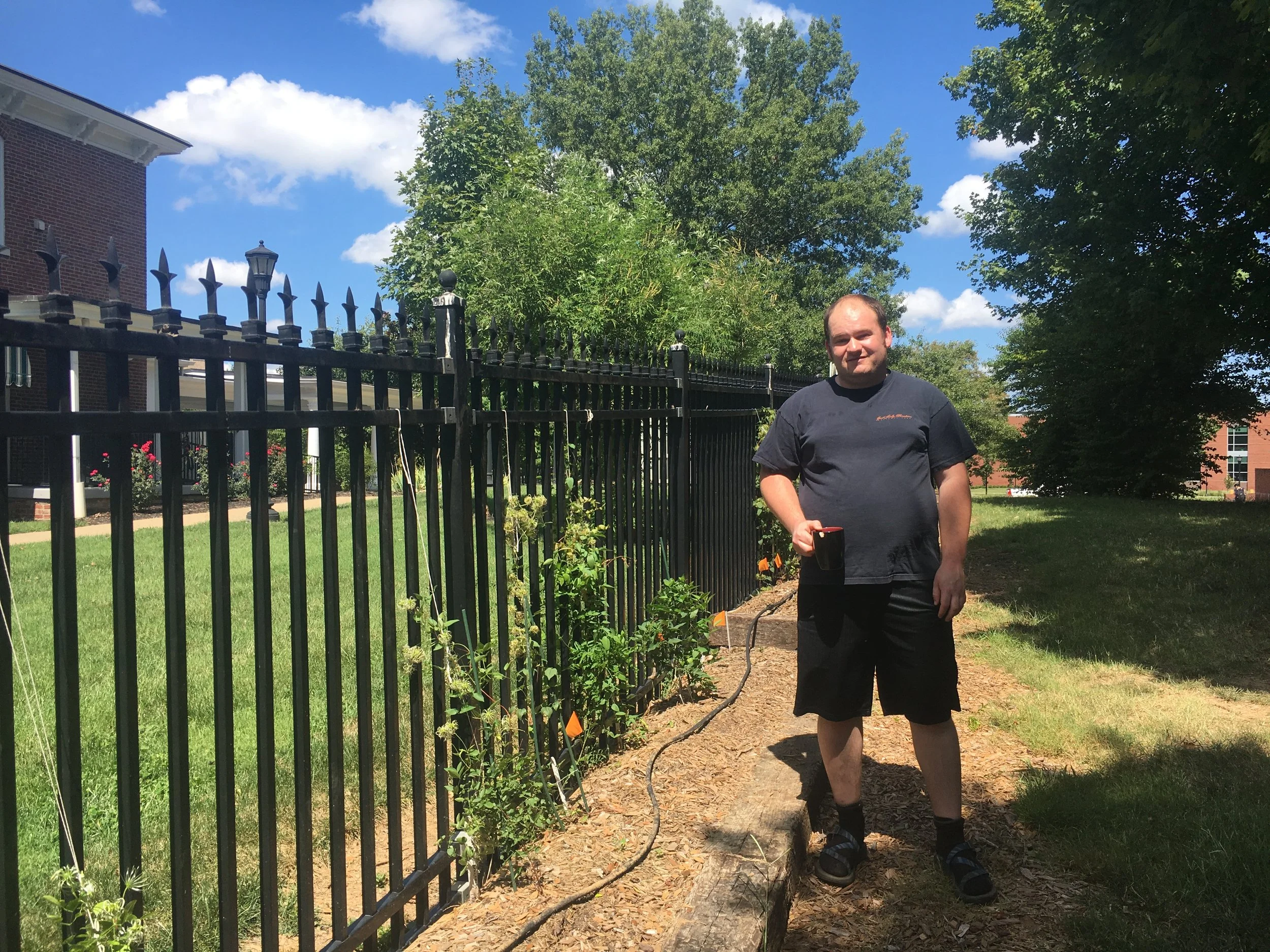
 SGI Southern Appalachian Grasslands Coordinator Zach Irick in SGI’s Leatherflower ( Clematis ) Research Garden at Austin Peay State Univeristy. The garden allows ex situ cultivation of more than 75 different accessions of leatherflowers from across

SGI Southern Appalachian Grasslands Coordinator Zach Irick in SGI’s Leatherflower (Clematis) Research Garden at Austin Peay State Univeristy. The garden allows ex situ cultivation of more than 75 different accessions of leatherflowers from across the Southeast. Ongoing research on the genus by SGI staff and partners has already resulted in the description of several new species from southeastern grasslands, with several more to come. Photo by Theo Witsell.

 High-quality grassland remnant in a powerline corridor at Cumberland Trail State Park in Cumberland County, TN. This grassland flora represents the natural ground cover of open savannas found historically in this region of the Cumberland Plateau. To

High-quality grassland remnant in a powerline corridor at Cumberland Trail State Park in Cumberland County, TN. This grassland flora represents the natural ground cover of open savannas found historically in this region of the Cumberland Plateau. Today, these natural communities are rare due to impacts from past land use and encroachment by closed forest in the absence of fire and native herbivores. Photo by Theo Witsell.

 SGI’s Western Region Biologist Allison Wilson sampling a high-quality riverscour barrens community on the Maumelle River in the eastern Ouachita Mountains of Arkansas. Photo by Virginia McDaniel.

SGI’s Western Region Biologist Allison Wilson sampling a high-quality riverscour barrens community on the Maumelle River in the eastern Ouachita Mountains of Arkansas. Photo by Virginia McDaniel.


 SGI field staff training in vegetation plot sampling in an old-growth post oak savanna/woodland complex at the Camp Robinson Special Use Area in Central Arkansas. Photo by Theo Witsell.

SGI field staff training in vegetation plot sampling in an old-growth post oak savanna/woodland complex at the Camp Robinson Special Use Area in Central Arkansas. Photo by Theo Witsell.


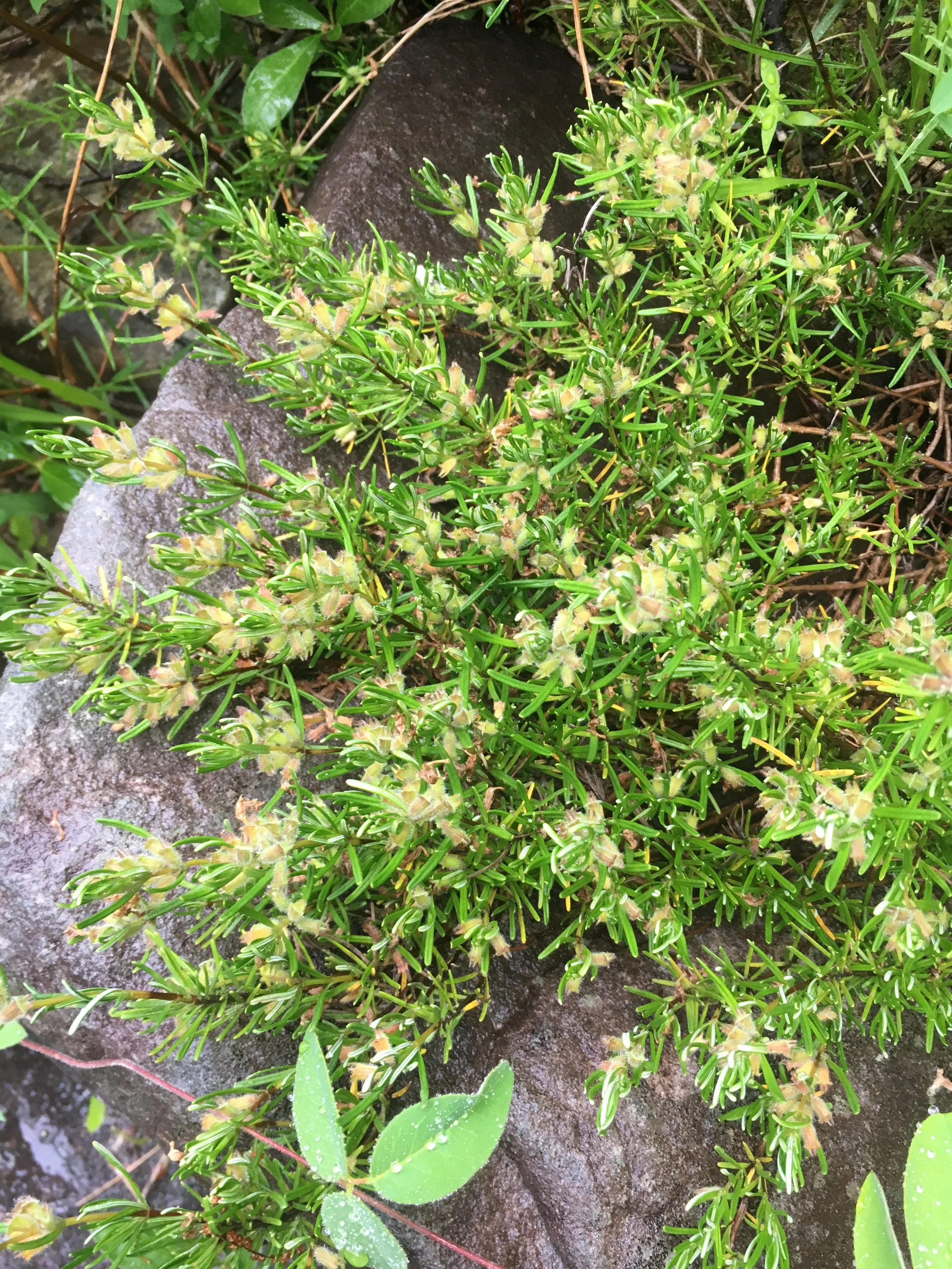
 Cumberland Rosemary ( Conradina verticillata ) growing in high-quality riverscour barrens along the Clear Fork River within the Big South Fork National River and Recreation Area in Tennessee. This species is listed as Threatened under the federal En

Cumberland Rosemary (Conradina verticillata) growing in high-quality riverscour barrens along the Clear Fork River within the Big South Fork National River and Recreation Area in Tennessee. This species is listed as Threatened under the federal Endangered Species Act and is found only in riverscour habitat on the Cumberland Plateau of Kentucky and Tennessee. Photo by Theo Witsell.

 High-quality grassland remnant in a powerline corridor at Cumberland Trail State Park in Cumberland County, TN. This grassland flora represents the natural ground cover of open savannas found historically in this region of the Cumberland Plateau. To

High-quality grassland remnant in a powerline corridor at Cumberland Trail State Park in Cumberland County, TN. This grassland flora represents the natural ground cover of open savannas found historically in this region of the Cumberland Plateau. Today, these natural communities are rare due to impacts from past land use and encroachment by closed forest in the absence of fire and native herbivores. Photo by Theo Witsell.

    SGI’s Eastern Region Ecologist Vero Tessier documenting an occurrence of Buffalo Clover ( Trifolium reflexum ) in a restored pine-oak woodland in the eastern Ouachita Mountains. Photo by Theo Witsell.

 SGI’s Eastern Region Ecologist Vero Tessier documenting an occurrence of Buffalo Clover (Trifolium reflexum) in a restored pine-oak woodland in the eastern Ouachita Mountains. Photo by Theo Witsell.


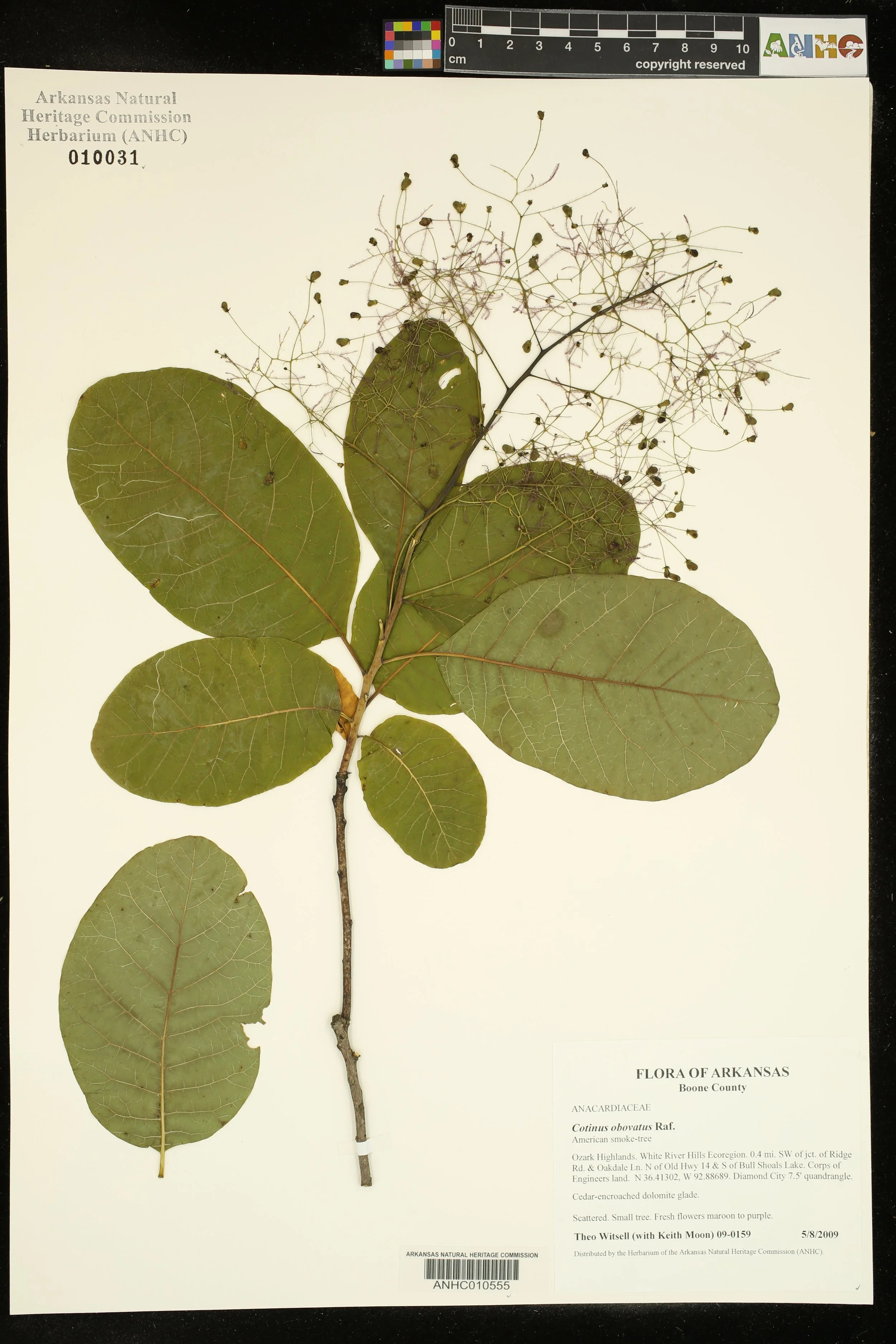
 Herbarium specimens document plant biodiversity at a certain place and time and are an important component of many SGI research projects. This specimen of Smoketree ( Cotinus obovatus ) was collected from dolomite glades and barrens in the White Riv

Herbarium specimens document plant biodiversity at a certain place and time and are an important component of many SGI research projects. This specimen of Smoketree (Cotinus obovatus) was collected from dolomite glades and barrens in the White River Hills Ecoregion of the Ozarks, near the Arkansas-Missouri border. Photo: ANHC.

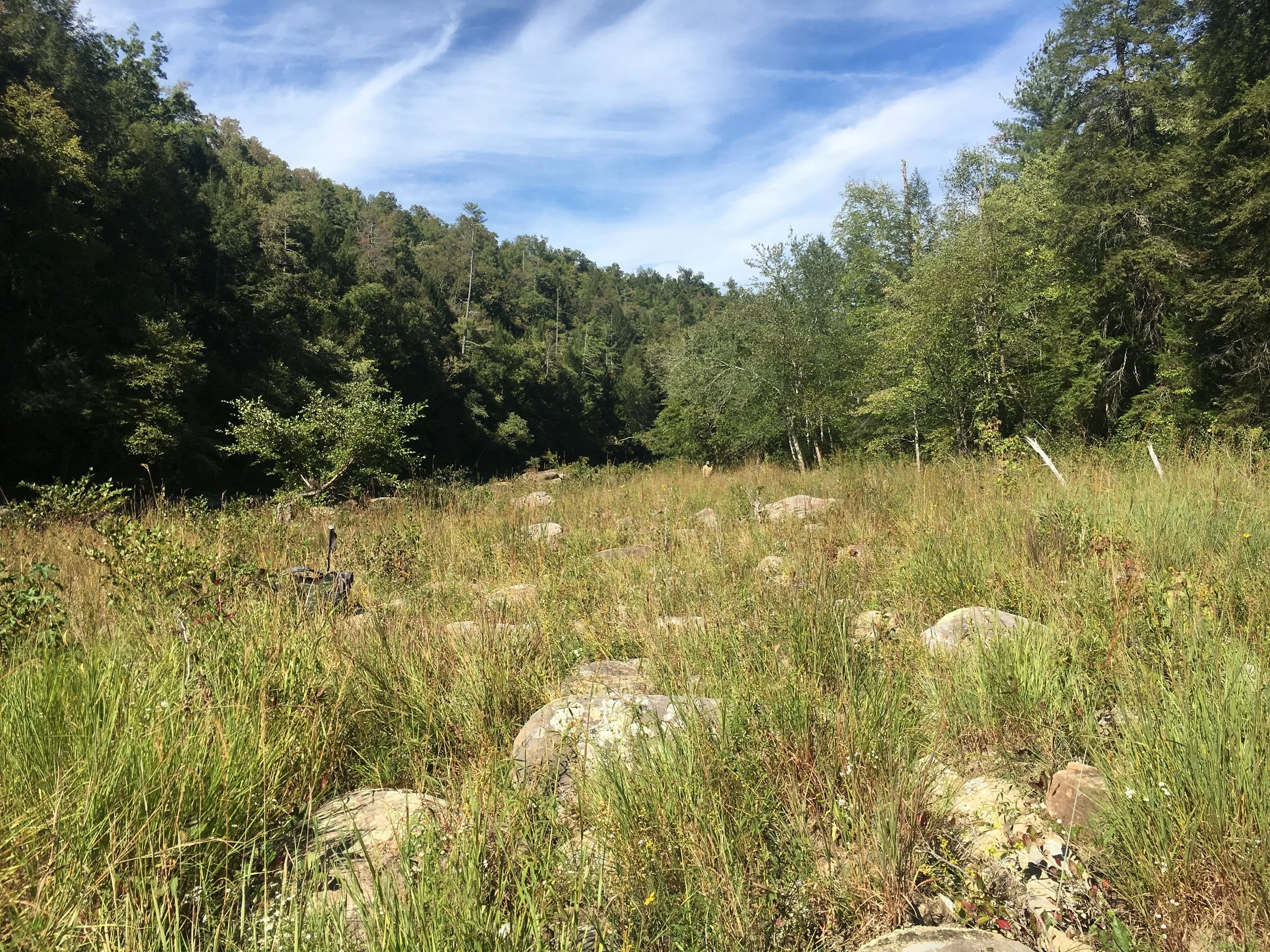
 High-quality riverscour barrens along the Clear Fork River within the Big South Fork National River and Recreation Area in Tennessee. Photo by Theo Witsell.

High-quality riverscour barrens along the Clear Fork River within the Big South Fork National River and Recreation Area in Tennessee. Photo by Theo Witsell.


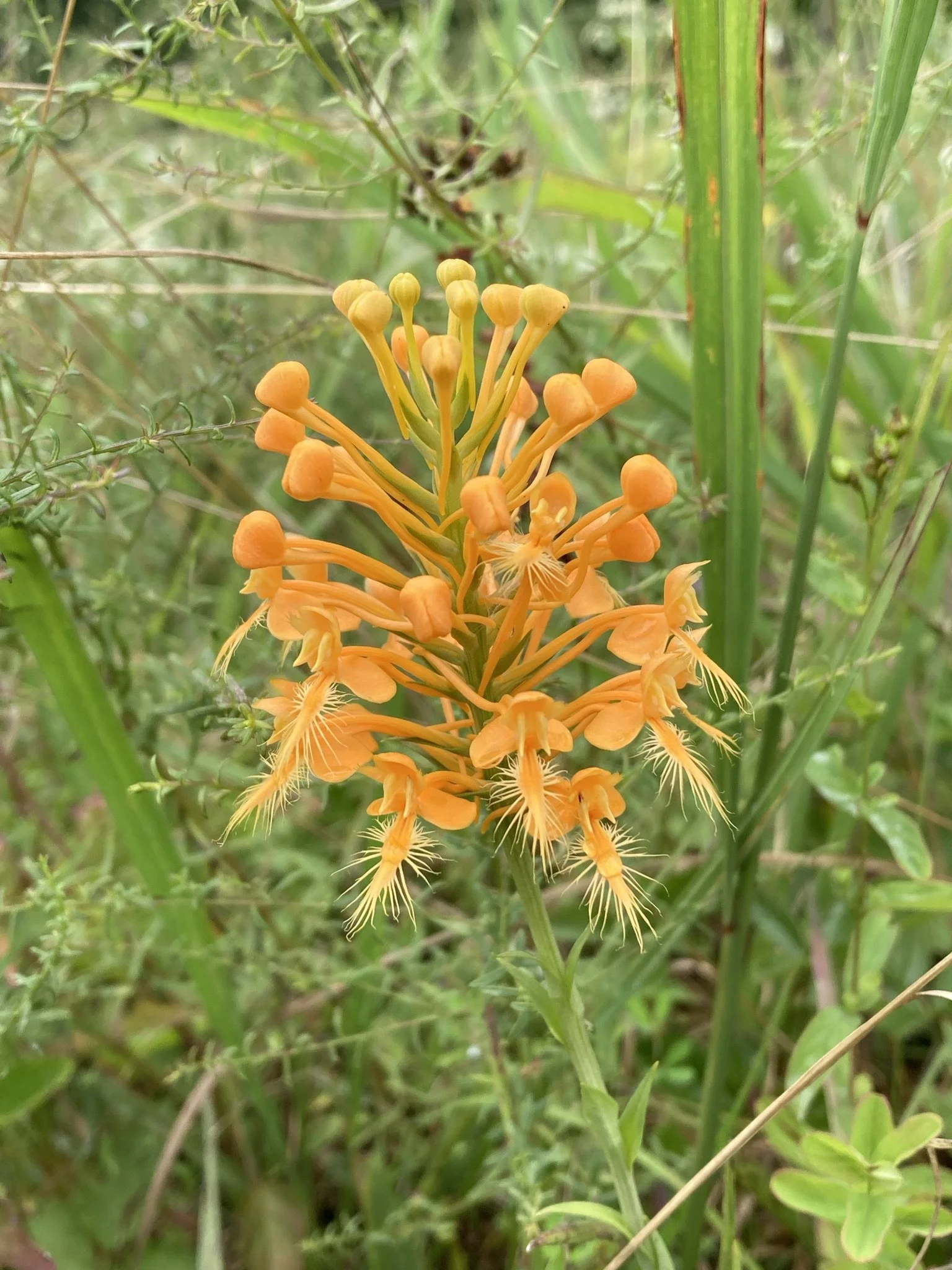
 Yellow-fringed Orchid ( Platanthera ciliaris ) growing in a grassland remnant in a powerline corridor at Cumberland Trail State Park in Cumberland County, TN. Photo by Theo Witsell.

Yellow-fringed Orchid (Platanthera ciliaris) growing in a grassland remnant in a powerline corridor at Cumberland Trail State Park in Cumberland County, TN. Photo by Theo Witsell.

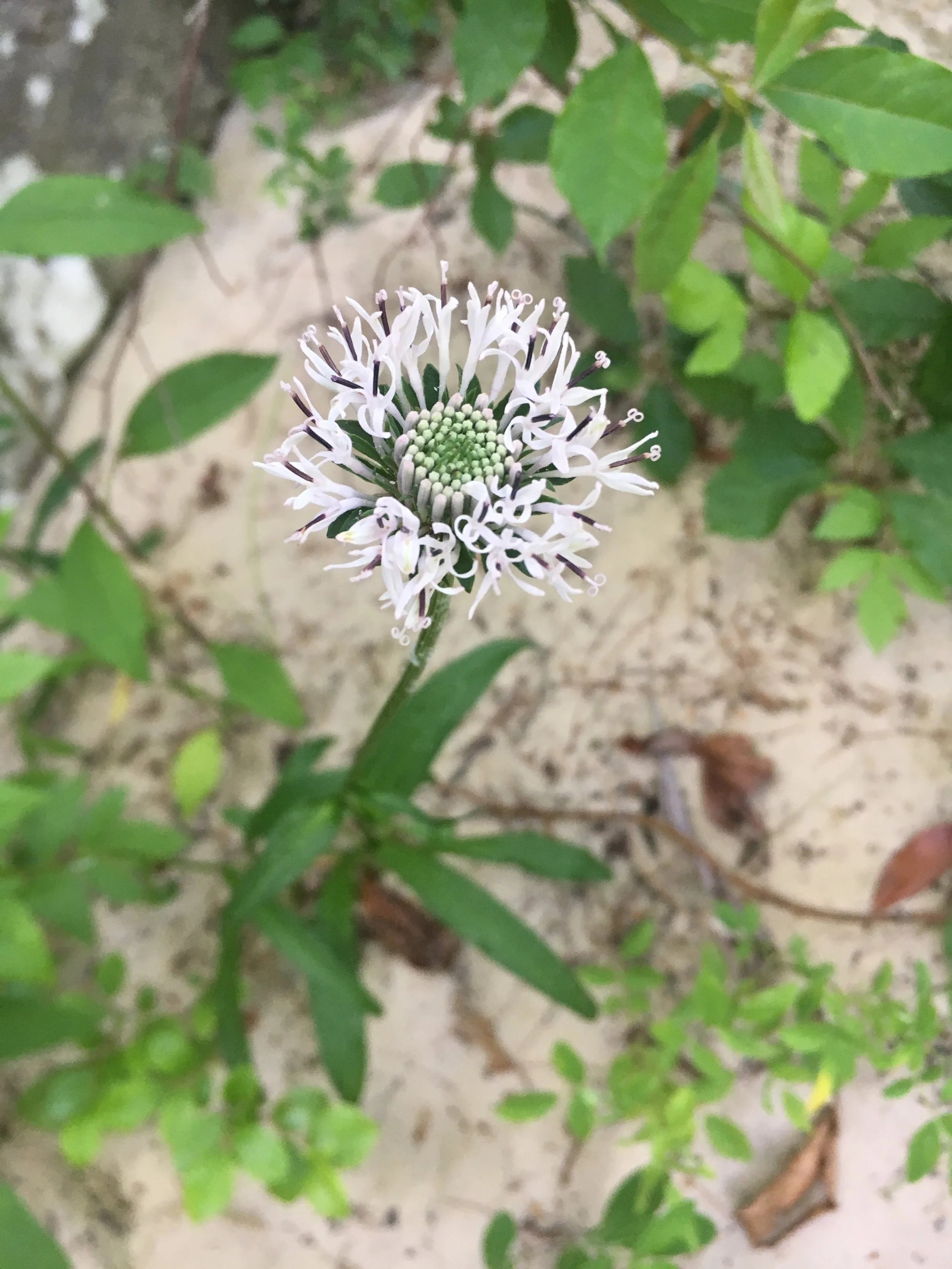
 Beautiful Barbara’s-buttons ( Marshallia pulchra ), a globally-rare plant listed as Endangered in both Kentucky and Tennessee, growing in high-quality riverscour barrens along the Clear Fork River within the Big South Fork National River and Recreat

Beautiful Barbara’s-buttons (Marshallia pulchra), a globally-rare plant listed as Endangered in both Kentucky and Tennessee, growing in high-quality riverscour barrens along the Clear Fork River within the Big South Fork National River and Recreation Area in Tennessee. Photo by Theo Witsell.

 SGI’s Western Region Biologist Allison Wilson (right) and volunteer Virginia McDaniel (left) sampling an excellent-quality riverscour barrens on the Maumelle River in the eastern Ouachita Mountains. Photo by Ben Thesing.

SGI’s Western Region Biologist Allison Wilson (right) and volunteer Virginia McDaniel (left) sampling an excellent-quality riverscour barrens on the Maumelle River in the eastern Ouachita Mountains. Photo by Ben Thesing.


 Zigzag Bladderwort ( Utricularia subulata ) in a seep in a powerline right-of-way at North Chickamauga Creek Wildlife Management Area in Tennessee. This carnivorous plant is one of many species of sun-loving savanna and open woodland plants hanging

Zigzag Bladderwort (Utricularia subulata) in a seep in a powerline right-of-way at North Chickamauga Creek Wildlife Management Area in Tennessee. This carnivorous plant is one of many species of sun-loving savanna and open woodland plants hanging on in open rights-of-way after surrounding woodlands have become too dense to support them. Photo by Theo Witsell.

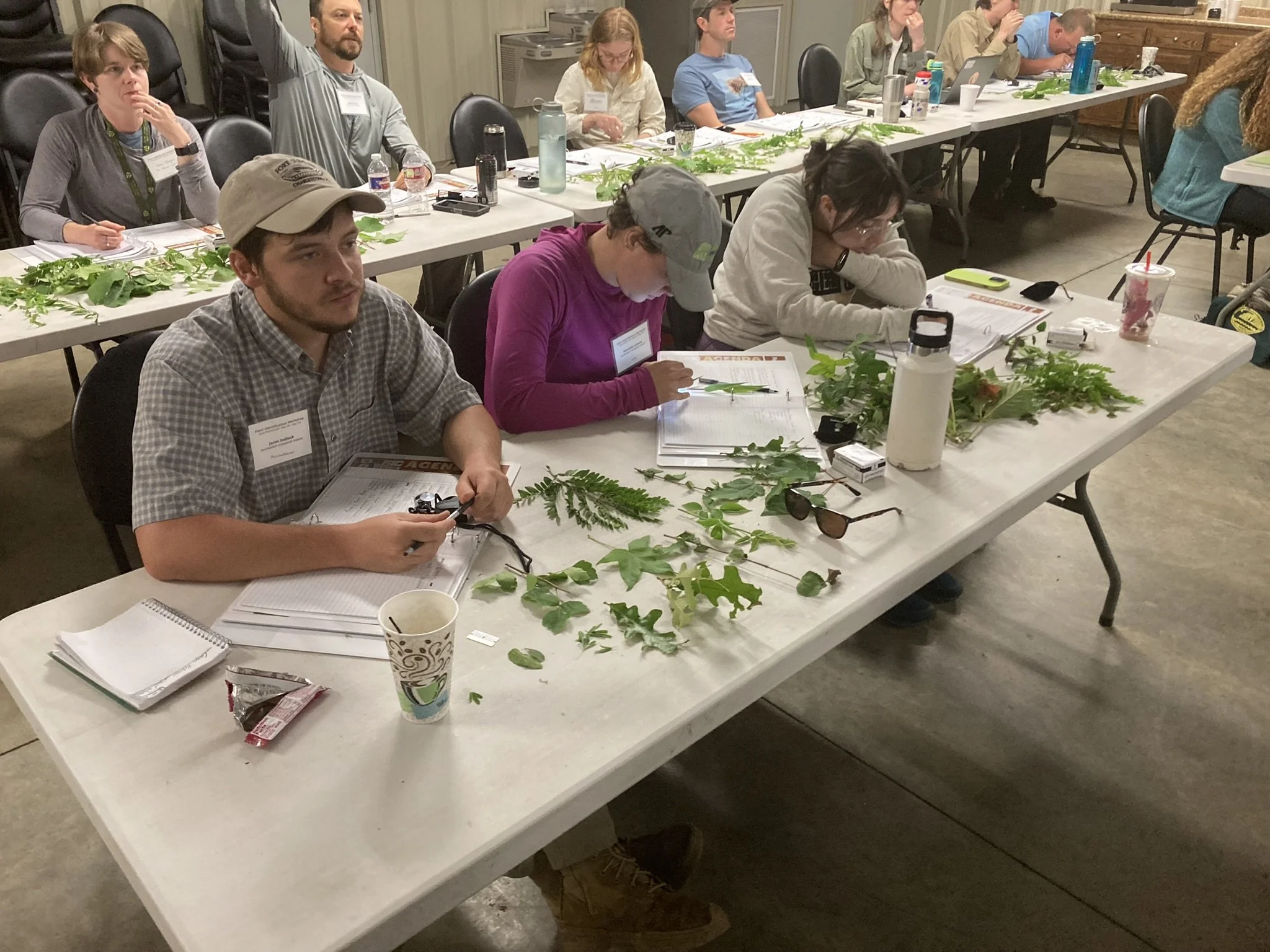
 SGI field staff in a plant identification training at the Camp Robinson Special Use Area in Central Arkansas. Photo by Theo Witsell.

SGI field staff in a plant identification training at the Camp Robinson Special Use Area in Central Arkansas. Photo by Theo Witsell.


 Tennessee Natural Heritage Program Ecologist Adam Dattilo sampling grassland flora in a Tennessee Valley Authority powerline right-of-way. This work was part of a collaborative study by SGI, the Tennessee Valley Authority, and the Electric Power Res

Tennessee Natural Heritage Program Ecologist Adam Dattilo sampling grassland flora in a Tennessee Valley Authority powerline right-of-way. This work was part of a collaborative study by SGI, the Tennessee Valley Authority, and the Electric Power Research Institute. Photo by Theo Witsell.

 SGI’s western field team sampling the plant community in a high-quality saline barrens and savanna complex at Kingsland Prairie Natural Area in the West Gulf Coastal Plain of Arkansas. Photo by Theo Witsell.

SGI’s western field team sampling the plant community in a high-quality saline barrens and savanna complex at Kingsland Prairie Natural Area in the West Gulf Coastal Plain of Arkansas. Photo by Theo Witsell.


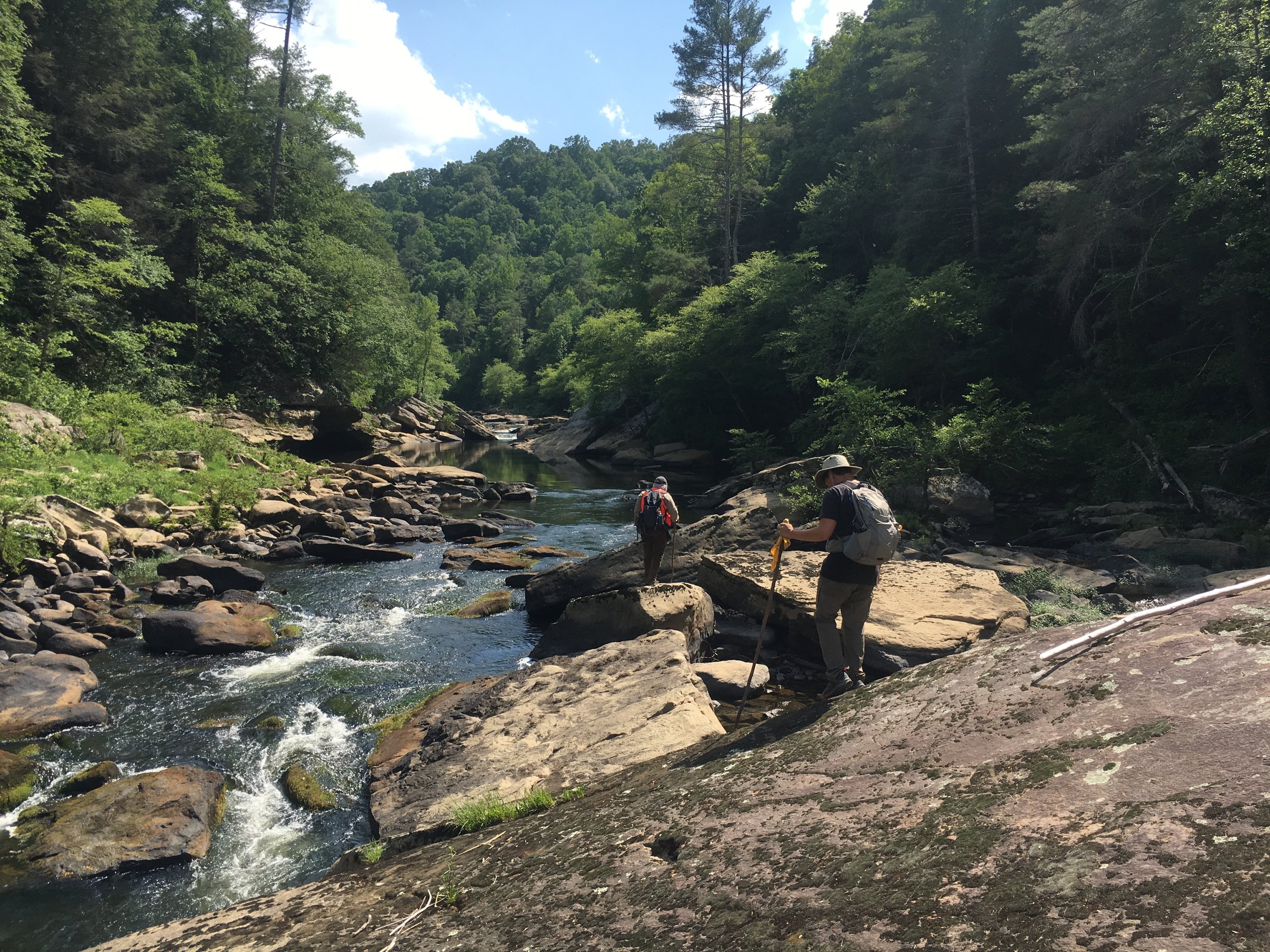
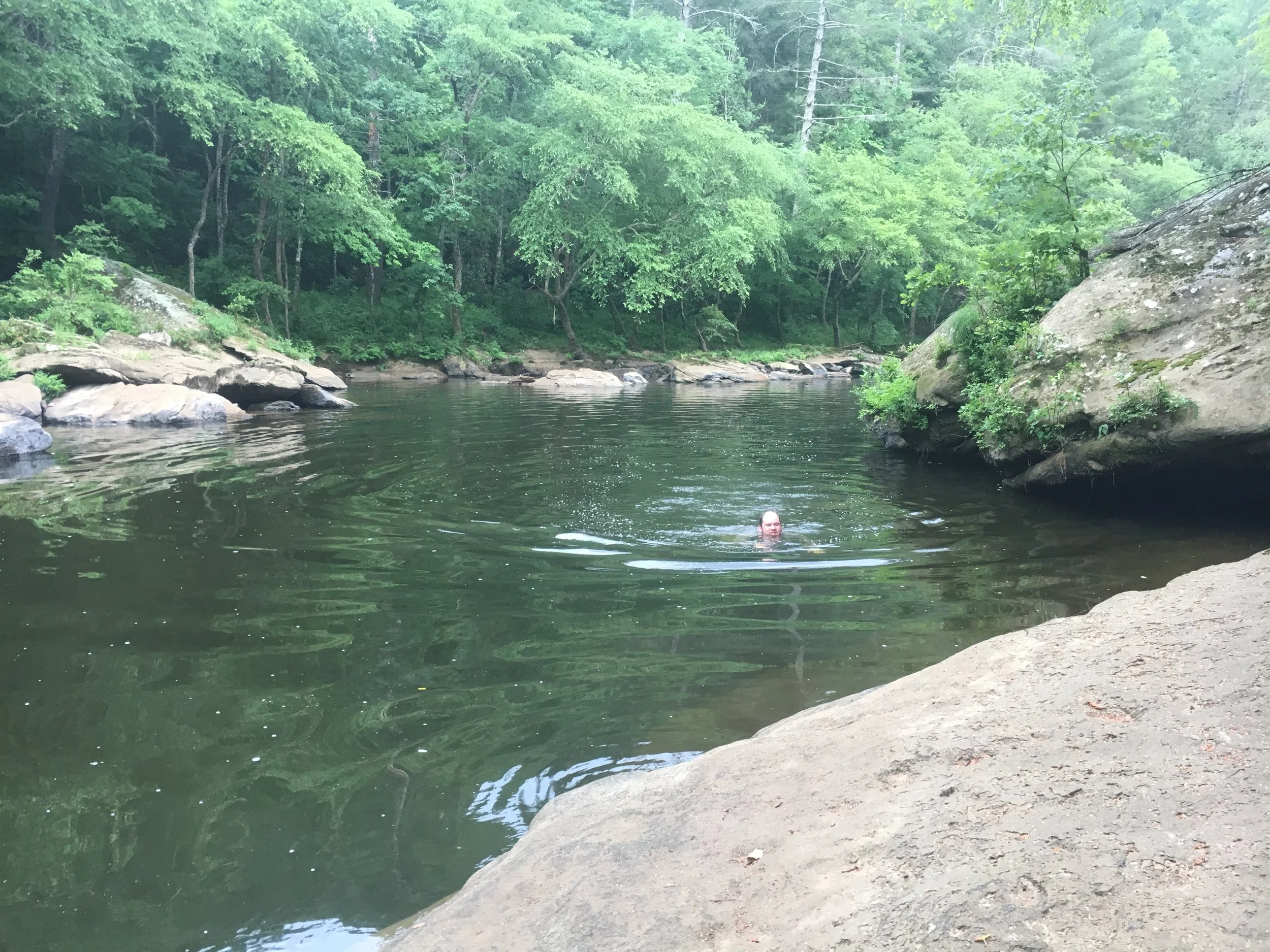
 SGI’s Southern Appalachian Grassland Coordinator Zach Irick cooling off while traversing the narrow gorge of the Clear Fork River during riverscour surveys of the Big South Fork National River and Recreation Area in Tennessee. Portions of the gorge

SGI’s Southern Appalachian Grassland Coordinator Zach Irick cooling off while traversing the narrow gorge of the Clear Fork River during riverscour surveys of the Big South Fork National River and Recreation Area in Tennessee. Portions of the gorge are lined with cliffs or house-sized boulders making the river channel the safest path. Photo by Theo Witsell.

 SGI’s Eastern Region Ecologist Vero Tessier and GIS Analyst Chip Morgan flying a drone to document and map grasslands. Photo by Theo Witsell.

SGI’s Eastern Region Ecologist Vero Tessier and GIS Analyst Chip Morgan flying a drone to document and map grasslands. Photo by Theo Witsell.

 SGI’s Western Region Biologist Allison Wilson sampling a high-quality riverscour barrens community on the Maumelle River in the eastern Ouachita Mountains of Arkansas. Photo by Virginia McDaniel.

SGI’s Western Region Biologist Allison Wilson sampling a high-quality riverscour barrens community on the Maumelle River in the eastern Ouachita Mountains of Arkansas. Photo by Virginia McDaniel.


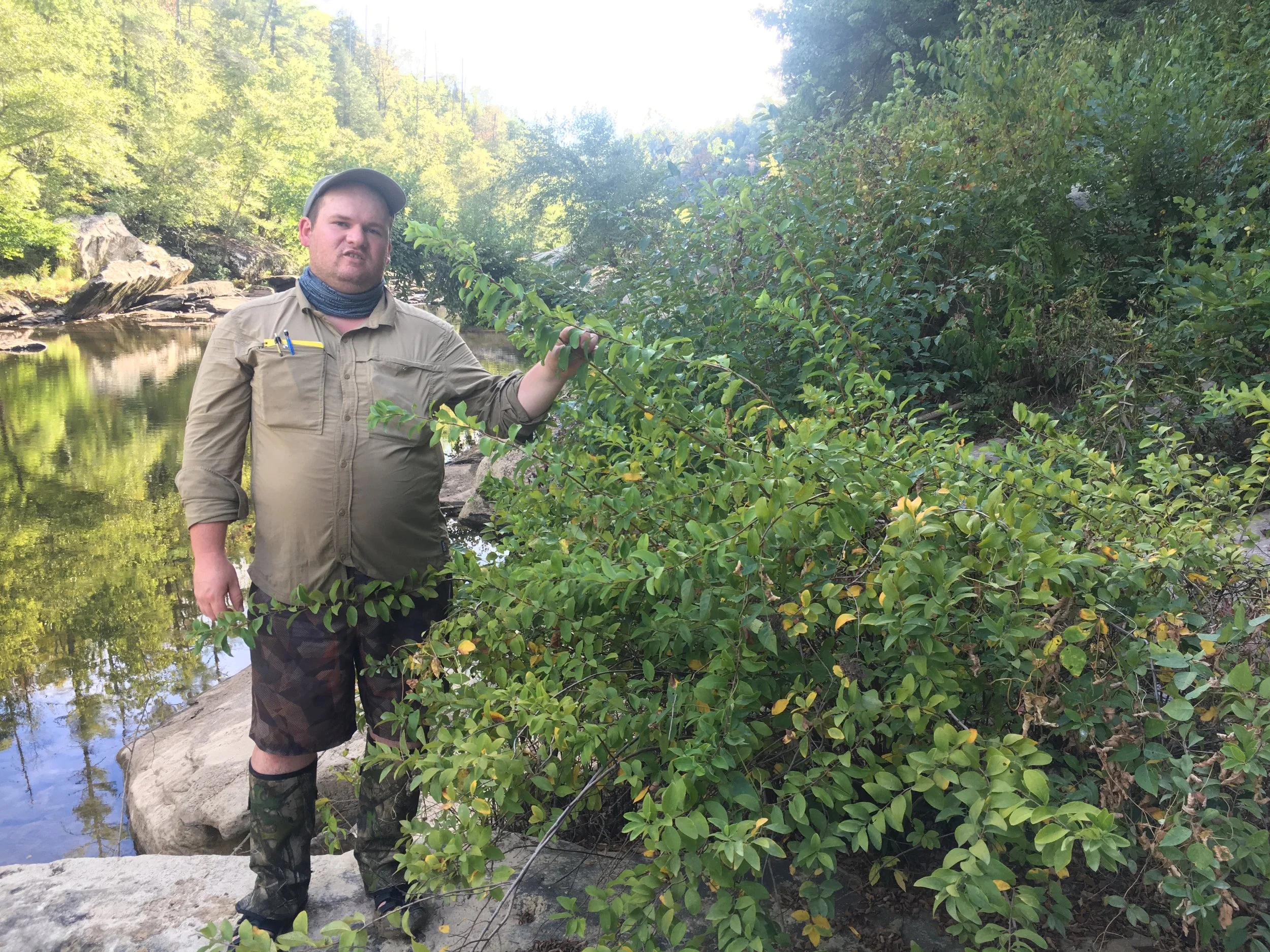
 SGI’s Southern Appalachian Grassland Coordinator Zach Irick with a large population of Virginia Sweetspire ( Spiraea virginiana ), growing in high-quality riverscour barrens along the Clear Fork River within the Big South Fork National River and Rec

SGI’s Southern Appalachian Grassland Coordinator Zach Irick with a large population of Virginia Sweetspire (Spiraea virginiana), growing in high-quality riverscour barrens along the Clear Fork River within the Big South Fork National River and Recreation Area in Tennessee. This species is listed as Threatened under the federal Endangered Species Act and is found only in riverscour habitat. Photo by Theo Witsell.

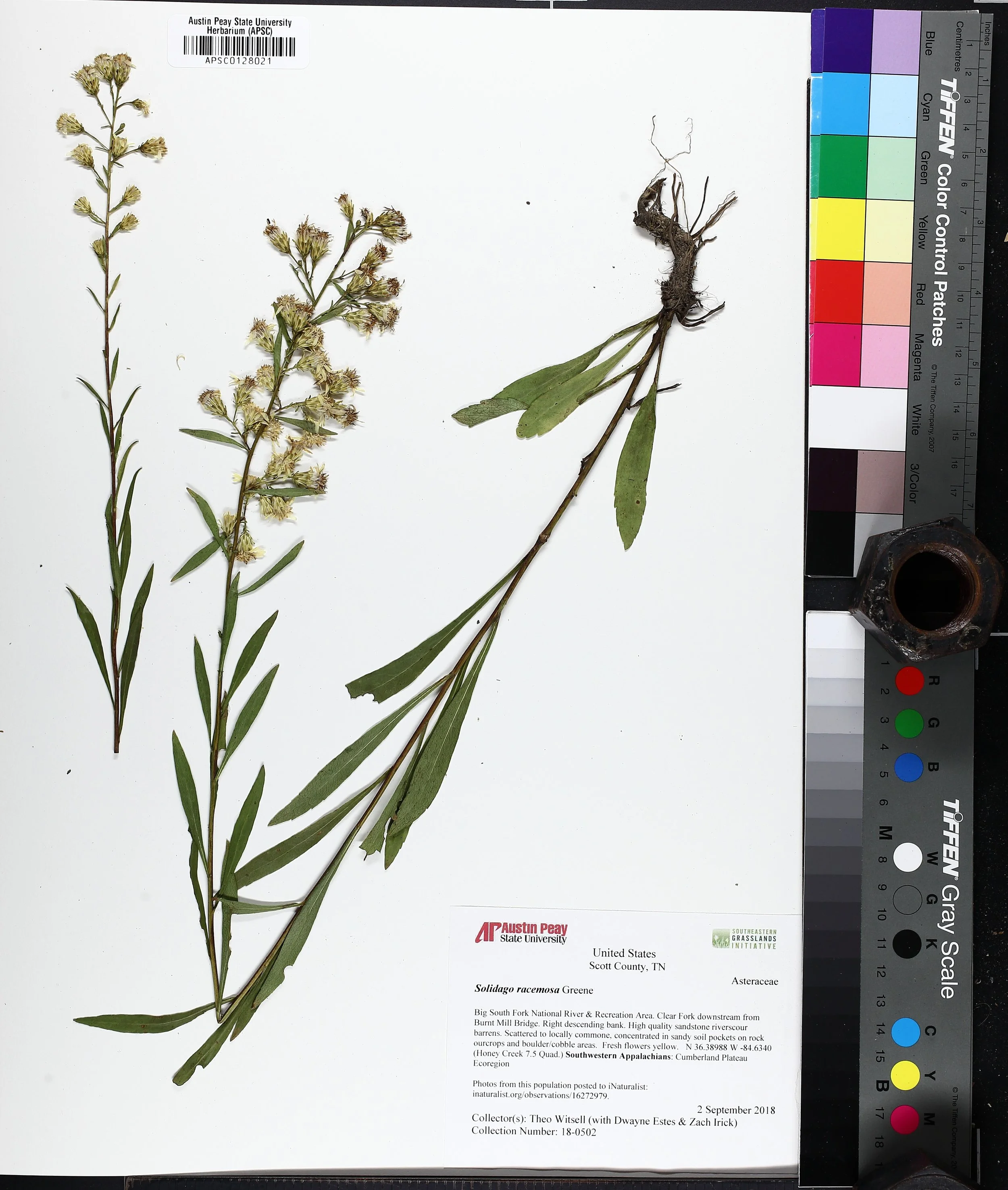
 Herbarium specimens document plant biodiversity at a certain place and time and are an important component of many SGI research projects. This specimen of Sticky Goldenrod ( Solidago racemosa ) was collected from riverscour barrens in Big South Fork

Herbarium specimens document plant biodiversity at a certain place and time and are an important component of many SGI research projects. This specimen of Sticky Goldenrod (Solidago racemosa) was collected from riverscour barrens in Big South Fork National River and Recreation Area on the Cumberland Plateau of Tennessee. Photo: APSC.

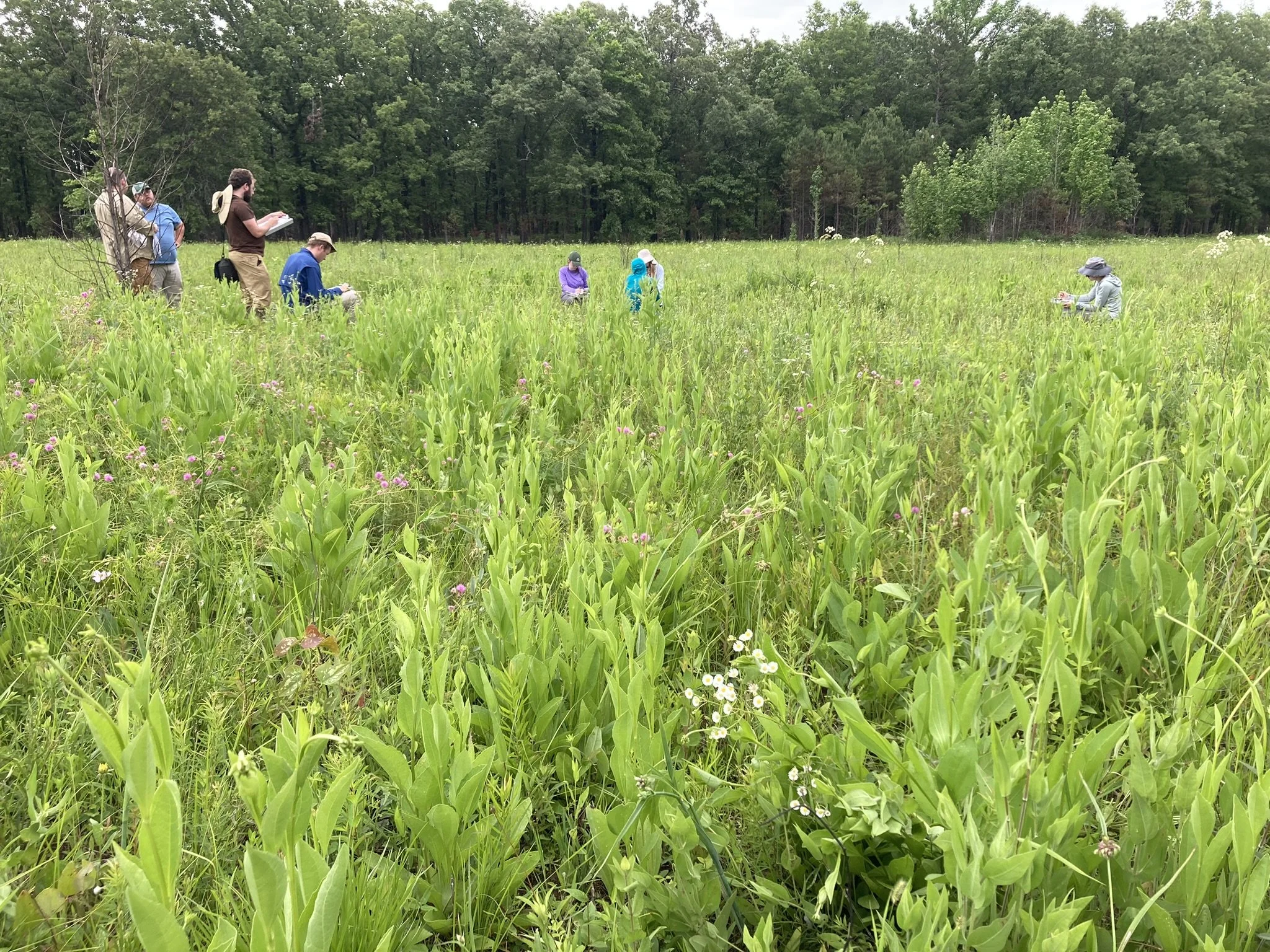
 SGI field staff training in vegetation plot sampling in a high-quality seasonally wet prairie remnant at the Camp Robinson Special Use Area in Central Arkansas. Photo by Theo Witsell.

SGI field staff training in vegetation plot sampling in a high-quality seasonally wet prairie remnant at the Camp Robinson Special Use Area in Central Arkansas. Photo by Theo Witsell.


1 2 3 4 5 6 7 8 9 10 11 12 13 14 15 16 17 18 19 20 21 22 23 24 25 26 27 28 29 30 31 32 33 34 35 36 37 38 39 40 41 42 43 44 45 46 47 48 49 50 51 52 53 54
Previous Next
 SGI Southern Appalachian coordinator Zach Irick leading vegetation monitoring in a bog in Marion County, Tennessee. The dominant plant around the boat is the rare Horsetail Spikerush ( Eleocharis equisetoides ), known to persist in Tennessee only at
 Herbarium specimens document plant biodiversity at a certain place and time and are an important component of many SGI research projects. This specimen of Plantain-leaf Sunflower ( Helianthus occidentalis  subsp.  plantagineus ) was collected from a
 Snow-on-the-Prairie ( Euphorbia bicolor ) and Bottlebrush Blazing-star ( Liatris punctata  var.  mucronata ) in a high-quality remnant of a rare Limestone Prairie in the Red River Valley near Idabel, Oklahoma. Photo by Theo Witsell.
 SGI’s western field team using iNaturalist to document the occurrence of Oneflower Hawthorn ( Crataegus uniflora ) in a rare sand grassland in the Ozark Highlands. Photo by Theo Witsell.
 SGI's Central Appalachian Grasslands Coordinator Alaina Krakowiak documenting a population of Alabama lip fern (Myriopteris alabamensis) on a cliff face at Cumberland Gap National Historical Park. Photo by Laura Boggess.
 Nuttall’s Pleatleaf ( Nemastylis nuttallii ), a species of conservation concern, in a rare remnant oak savanna with a 100-year prescribed fire history at the Camp Robinson Special Use Area in central Arkansas. The flowers open rapidly in the evening
 Rare remnant of an undescribed and globally rare Ozark Sand Grassland. This grassland type is known only from a small part of Izard County Arkansas in valleys of south-flowing tributaries of the White River. It supports many rare and uncommon plant
 A male Diana Fritillary ( Speyeria diana ), a butterfly of global conservation concern, in a restored and fire-managed shale barrens and woodland complex in the eastern Ouachita Mountains. Photo by Theo Witsell.
 A specimen of the wonderfully named Bog Cheeto or Red-hot-poker ( Senega lutea ) in a high-quality Longleaf Pine Savanna at the Greenwood Plantation in the Red Hill Region of southern Georgia. Photo by Theo Witsell.
 SGI's Southern Appalachian Grasslands Coordinator Zach Irick exploring a small bog at the base of a cliff deep in the backcountry of Cumberland Gap National Historical Park. Photo by Alaina Krakowiak.
 SGI's Central Appalachian Grasslands Coordinator Alaina Krakowiak coring an Eastern red cedar tree (Juniperus virginiana) that is nearly 200 years old. Photo by Laura Boggess.
 Herbarium specimens document plant biodiversity at a certain place and time and are an important component of many SGI research projects. This specimen of Virginia Bunchflower ( Melanthium virginicum ) was collected from a rare seasonally-wet shale
 SGI’s Eastern Region Biologist Jared Gorrell with a Prairie Kingsnake ( Lampropeltis calligaster ) in a fire-maintained woodland in the Ouachita Mountains. Photo by Theo Witsell.
 A reference quality Ouachita Mountain Dry Sandstone Woodland at the Camp Robinson Special Use Area in central Arkansas. This site, with a 100-year prescribed fire history and highly diverse plant community, can be used to assess the quality and rest
 Yellow Nodding Ladies’-tresses ( Spiranthes ochroleuca ) in a powerline right-of-way at Big South Fork National River and Recreation Area in Tennessee. This is one of many species of sun-loving savanna and open woodland plants hanging on in open rig
 A rare groundwater seep within a remnant Tallgrass Prairie. This rare combination of conditions supports several species of conservation concern including Small-headed Pipewort ( Eriocaulon koernickianum ). Photo by Theo Witsell.
 SGI's Central Appalachian Grasslands Coordinator Alaina Krakowiak standing on a narrow ledge on cliff face at Cumberland Gap National Historical Park, where she surveyed for rare plant species by rappelling. Photo by Laura Boggess.
 High-quality grassland remnant in a powerline corridor at Cumberland Trail State Park in Cumberland County, TN. This grassland flora represents the natural ground cover of open savannas found historically in this region of the Cumberland Plateau. To
 Herbarium specimens document plant biodiversity at a certain place and time and are an important component of many SGI research projects. This specimen of Greethread ( Thelesperma filifolium ) was collected from a remnant shale barrens in the Ouachi
 Grass-pink Orchid ( Calopogon tuberosus ) in a high-quality Longleaf Pine Savanna at the Greenwood Plantation in the Red Hill Region of southern Georgia. Photo by Theo Witsell.
 SGI’s Southern Appalachian Grassland Coordinator Zach Irick (center) and volunteer Ben Benton (foreground) conducting surveys of riverscour habitats along the Clear Fork River within the Big South Fork National River and Recreation Area in Tennessee
 Restoration technician Erin Gamst documenting prairie willow ( Salix humilis ) while sampling a vegetation plot in a degraded grassland remnant at Fredericksburg and Spotsylvania National Military Park. Photo by Alaina Krakowiak.
 Herbarium specimens document plant biodiversity at a certain place and time and are an important component of many SGI research projects. This specimen of of Showy Beardtongue ( Penstemon cobaea ) was collected from a high-quality Blackland Prairie
 Specimen of the globally rare Small-headed Pipewort ( Eriocaulon koernickianum ) in a seepage wetland within a high-quality remnant tallgrass prairie in the Arkansas Valley of central Arkansas. This population represents a previously unknown site fo
 SGI Chief Conservation Officer Theo Witsell and Executive Director Dwayne Estes with a large haul of plant specimens from riverscour habitats on the South Fourche LaFave River in the Ouachita Mountains of Arkansas. Photo by Todd Crabtree.
 SGI field staff training in vegetation plot sampling in an old-growth post oak savanna/woodland complex at the Camp Robinson Special Use Area in Central Arkansas. Photo by Theo Witsell.
 Herbarium specimens document plant biodiversity at a certain place and time and are an important component of many SGI research projects. This specimen of Prairie Parsley ( Polytaenia nuttallii ) from a remnant shale barrens in the Ouachita Mountain
 SGI’s southern Appalachian coordinator Zach Irick monitoring a population of the federally listed endangered Green Pitcherplant ( Sarracenia oreophila ) at Dulaney Bog in North Carolina. Photo by Theo Witsell.
 Tennessee Natural Heritage Program Ecologist Adam Dattilo sampling a Cumberland Plateau Sandstone Glade and Barrens community in a Tennessee Valley Authority powerline right-of-way at Laurel Snow State Natural Area in Tennessee. This work was part o
 SGI Field Technician Brittney Georgic sampling remnant grassland vegetation in a Tennessee Valley Authority powerline right-of-way on the Cumberland Plateau of Tennessee. This work was part of a collaborative study by SGI, the Tennessee Valley Autho
 SGI Field Technician Brittney Georgic inspecting a population of Appalachian Milkwort ( Senega curtissii ) in a Tennessee Valley Authority powerline right-of-way on Bledsoe State Forest in Tennessee. This work was part of a collaborative study by SG
 Herbarium specimens document plant biodiversity at a certain place and time and are an important component of many SGI research projects. This specimen of Culver’s Root ( Veronicastrum virginicum ) was collected from a pine-oak woodland in the Ozark
 SGI Southern Appalachian Grasslands Coordinator Zach Irick in SGI’s Leatherflower ( Clematis ) Research Garden at Austin Peay State Univeristy. The garden allows ex situ cultivation of more than 75 different accessions of leatherflowers from across
 High-quality grassland remnant in a powerline corridor at Cumberland Trail State Park in Cumberland County, TN. This grassland flora represents the natural ground cover of open savannas found historically in this region of the Cumberland Plateau. To
 SGI’s Western Region Biologist Allison Wilson sampling a high-quality riverscour barrens community on the Maumelle River in the eastern Ouachita Mountains of Arkansas. Photo by Virginia McDaniel.
 SGI field staff training in vegetation plot sampling in an old-growth post oak savanna/woodland complex at the Camp Robinson Special Use Area in Central Arkansas. Photo by Theo Witsell.
 Cumberland Rosemary ( Conradina verticillata ) growing in high-quality riverscour barrens along the Clear Fork River within the Big South Fork National River and Recreation Area in Tennessee. This species is listed as Threatened under the federal En
 High-quality grassland remnant in a powerline corridor at Cumberland Trail State Park in Cumberland County, TN. This grassland flora represents the natural ground cover of open savannas found historically in this region of the Cumberland Plateau. To
    SGI’s Eastern Region Ecologist Vero Tessier documenting an occurrence of Buffalo Clover ( Trifolium reflexum ) in a restored pine-oak woodland in the eastern Ouachita Mountains. Photo by Theo Witsell.
 Herbarium specimens document plant biodiversity at a certain place and time and are an important component of many SGI research projects. This specimen of Smoketree ( Cotinus obovatus ) was collected from dolomite glades and barrens in the White Riv
 High-quality riverscour barrens along the Clear Fork River within the Big South Fork National River and Recreation Area in Tennessee. Photo by Theo Witsell.
 Yellow-fringed Orchid ( Platanthera ciliaris ) growing in a grassland remnant in a powerline corridor at Cumberland Trail State Park in Cumberland County, TN. Photo by Theo Witsell.
 Beautiful Barbara’s-buttons ( Marshallia pulchra ), a globally-rare plant listed as Endangered in both Kentucky and Tennessee, growing in high-quality riverscour barrens along the Clear Fork River within the Big South Fork National River and Recreat
 SGI’s Western Region Biologist Allison Wilson (right) and volunteer Virginia McDaniel (left) sampling an excellent-quality riverscour barrens on the Maumelle River in the eastern Ouachita Mountains. Photo by Ben Thesing.
 Zigzag Bladderwort ( Utricularia subulata ) in a seep in a powerline right-of-way at North Chickamauga Creek Wildlife Management Area in Tennessee. This carnivorous plant is one of many species of sun-loving savanna and open woodland plants hanging
 SGI field staff in a plant identification training at the Camp Robinson Special Use Area in Central Arkansas. Photo by Theo Witsell.
 Tennessee Natural Heritage Program Ecologist Adam Dattilo sampling grassland flora in a Tennessee Valley Authority powerline right-of-way. This work was part of a collaborative study by SGI, the Tennessee Valley Authority, and the Electric Power Res
 SGI’s western field team sampling the plant community in a high-quality saline barrens and savanna complex at Kingsland Prairie Natural Area in the West Gulf Coastal Plain of Arkansas. Photo by Theo Witsell.
 SGI’s Southern Appalachian Grassland Coordinator Zach Irick cooling off while traversing the narrow gorge of the Clear Fork River during riverscour surveys of the Big South Fork National River and Recreation Area in Tennessee. Portions of the gorge
 SGI’s Eastern Region Ecologist Vero Tessier and GIS Analyst Chip Morgan flying a drone to document and map grasslands. Photo by Theo Witsell.
 SGI’s Western Region Biologist Allison Wilson sampling a high-quality riverscour barrens community on the Maumelle River in the eastern Ouachita Mountains of Arkansas. Photo by Virginia McDaniel.
 SGI’s Southern Appalachian Grassland Coordinator Zach Irick with a large population of Virginia Sweetspire ( Spiraea virginiana ), growing in high-quality riverscour barrens along the Clear Fork River within the Big South Fork National River and Rec
 Herbarium specimens document plant biodiversity at a certain place and time and are an important component of many SGI research projects. This specimen of Sticky Goldenrod ( Solidago racemosa ) was collected from riverscour barrens in Big South Fork
 SGI field staff training in vegetation plot sampling in a high-quality seasonally wet prairie remnant at the Camp Robinson Special Use Area in Central Arkansas. Photo by Theo Witsell.

subscribe to our newsletter by Clicking HERE

Mailing Address: Southeastern Grasslands Institute, Austin Peay State University, PO Box 4394, Clarksville, TN, 37044

Back to Top
Contact Us
Press Kit
Press Resources
Press Releases
Employee Portal
Southeastern Grasslands Institute, Austin Peay State University, PO Box 4394, Clarksville, TNinfo@segrasslands.org