
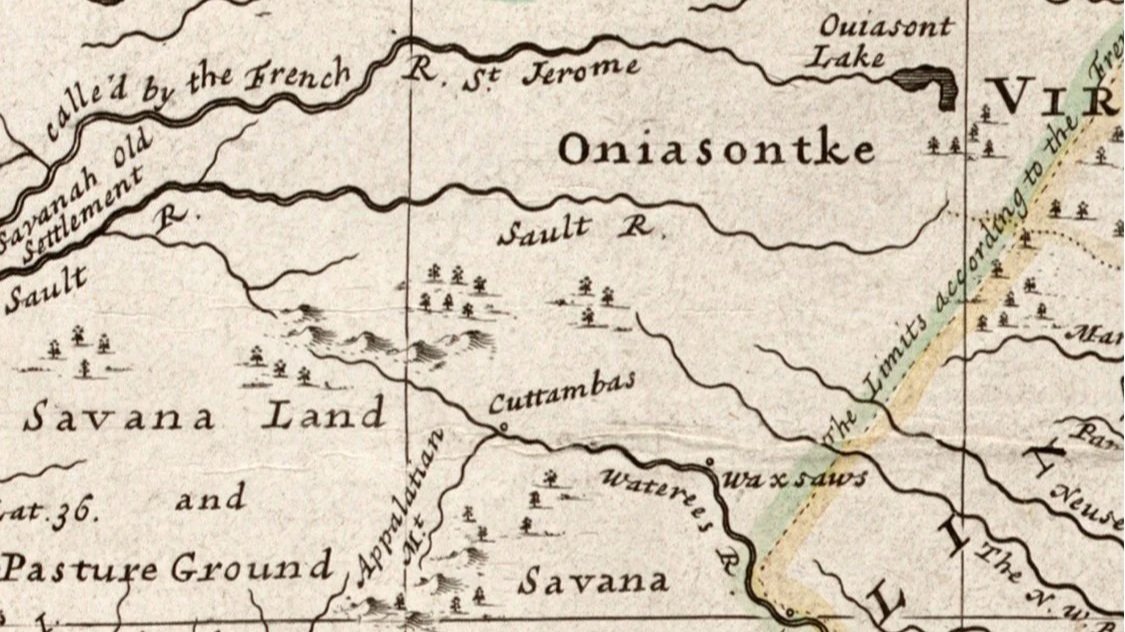
The Southeastern Grasslands Explorer: Grasslandia
Grasslandia is SGI’s name for our integrated database and tool for application in the field. Grasslandia will not only provide the most up-to-date information on our current Southeastern native grasslands, but a portal to a see the region through the lens of grassland conservation.
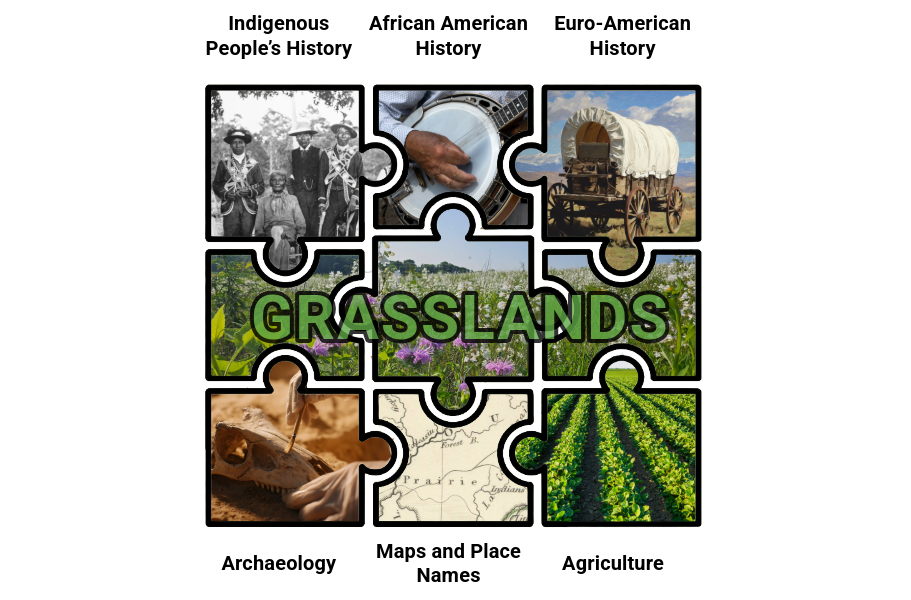
Interdisciplinary Approach
SGI’s interdisciplinary approach helps tell a new story of southeastern landscapes - a story that shifts the narrative to inform our cultural roots, prescribe land management practices, and transform how we steward open ecosystems in the 21st century.
Grasslandia Portals
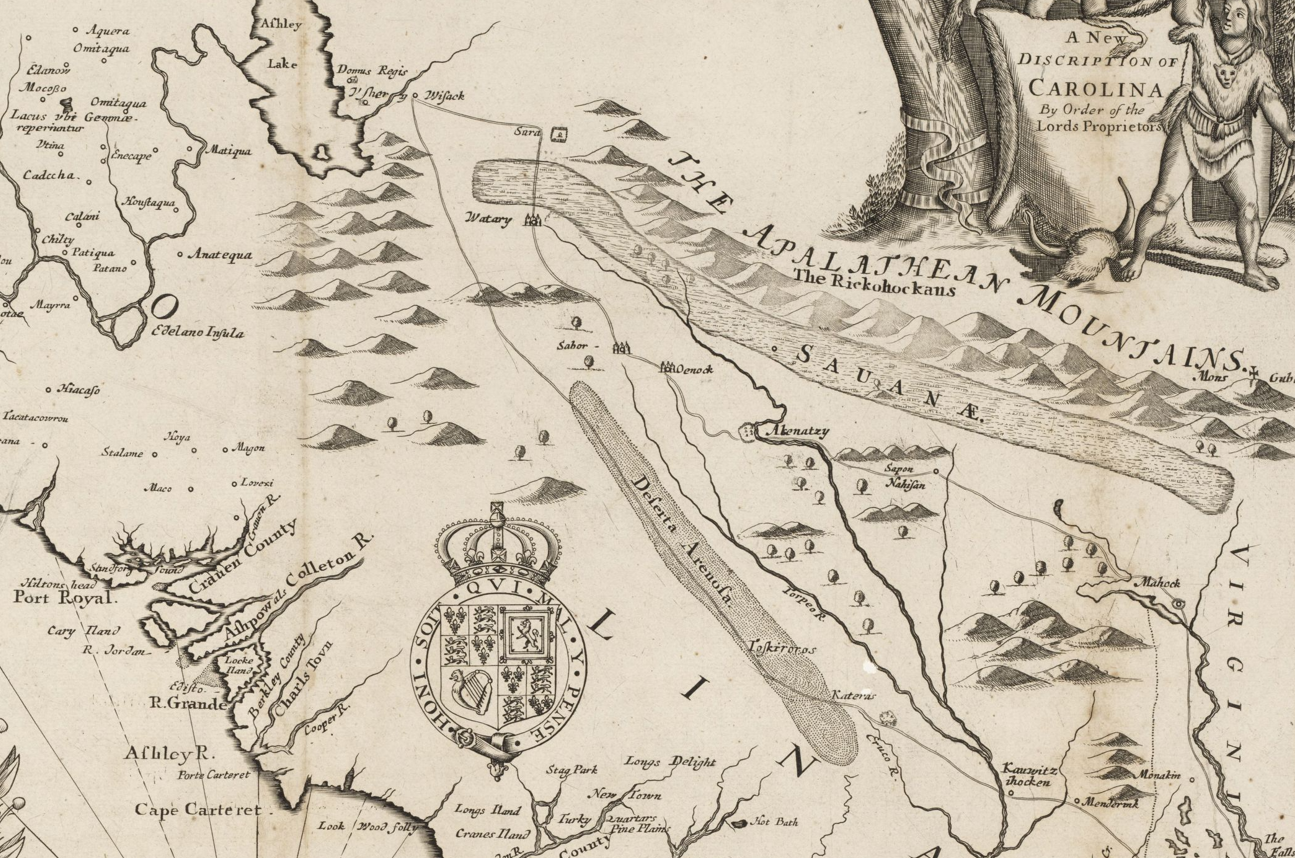
Map of the Carolinas from 1671.
history
The complex history of the Southeast provides the framework for understanding and conserving the region’s forgotten grasslands.
-
Indigenous Peoples’ History
Euro-American History
African-American History
Archaeology
Maps & Place Names
Agriculture
-
The History Explorer will allow for the search of historical quotes, maps, and other primary resources using key words on topics including animals, plants, water, ecosystems, grazing, culture, land change. Searches are also possible using an interactive ArcGIS mapping feature.
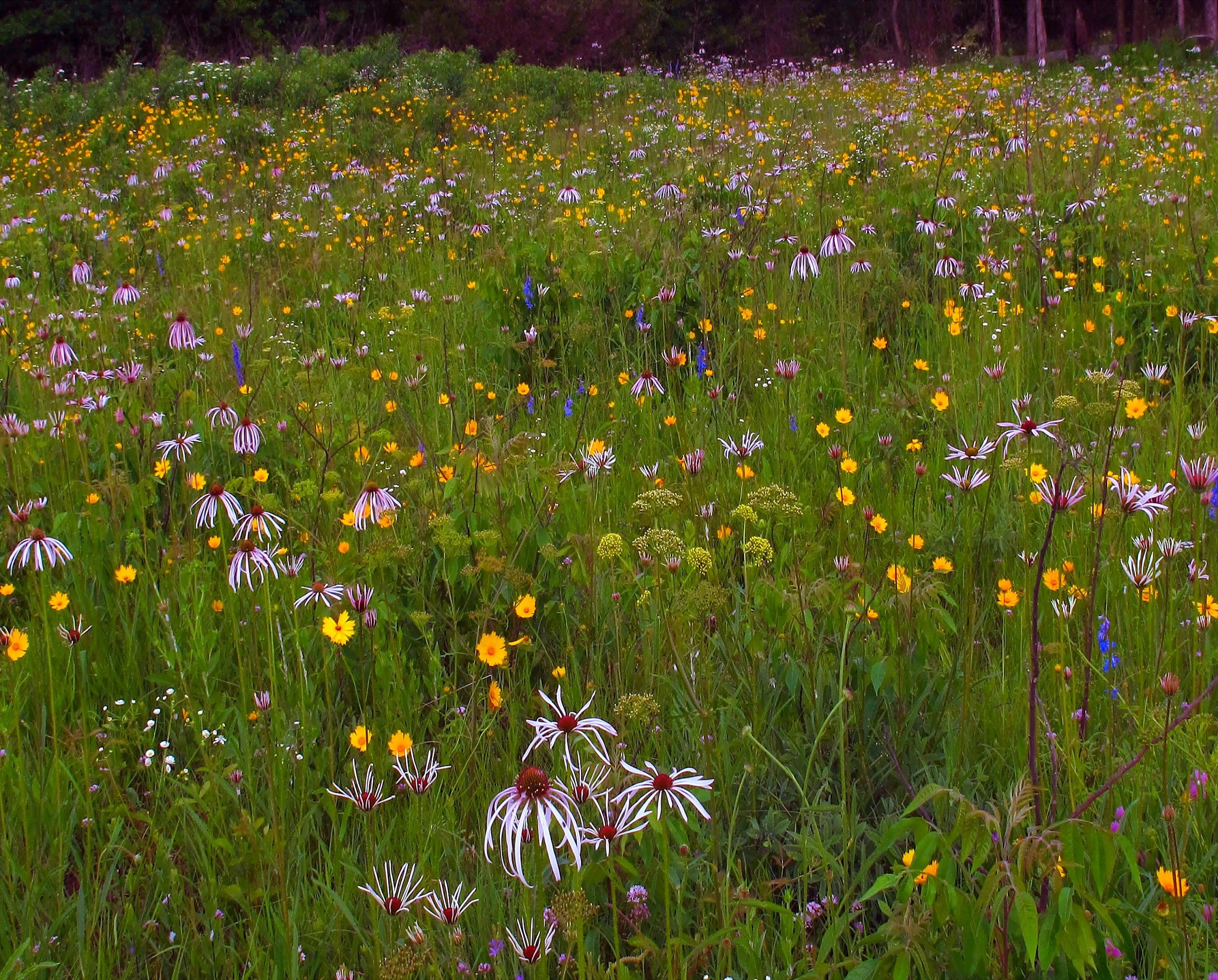
Flanagan Prairie Natural Area. PC Craig Fraiser.
Biodiversity
Southeastern grasslands support highly diverse communities of living organisms, many of which are found only in open ecosystems.
-
Grasslandia will host a map-based biodiversity explorer that will enable users to see grassland species in areas of interest.
Plants
Animals
Other Organisms
Soil Microbiome
Rare Species
Biogeography & Genetics
-
Biodiversity keeps ecosystems resilient and productive. In Southeastern grasslands, every species—from wildflowers to pollinators—plays a vital role in maintaining balance, supporting food webs, and combating climate change.
Key traits of a thriving ecosystem include the following:
Richness
Evenness
Resilience
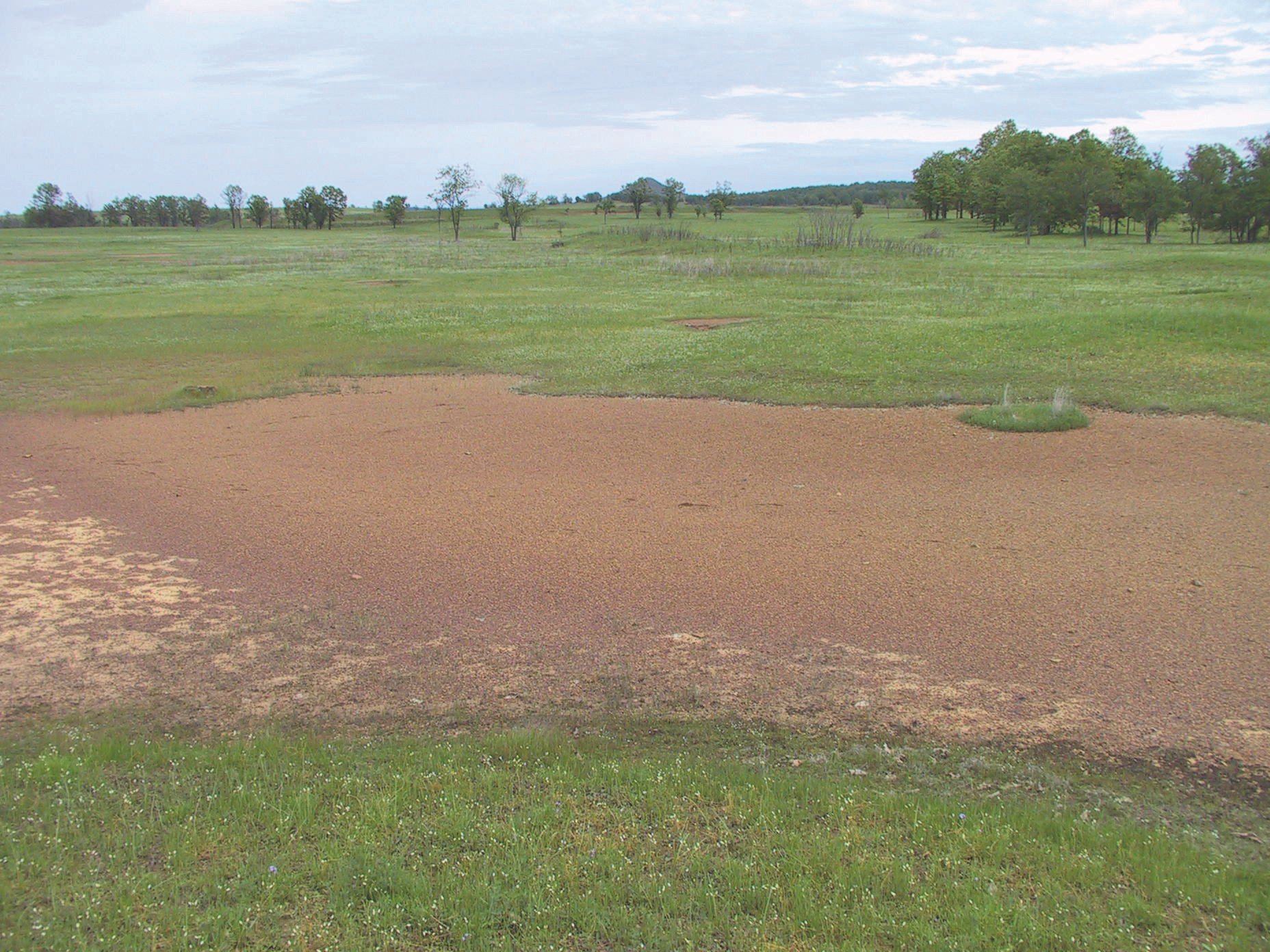
Saline barrens and savanna at Fort Chaffee. PC Theo Witsell.
Ecosystems
The open ecosystems of the Southeast are incredibly diverse in their structure, composition, and processes that maintain them.
-
More than 150 subtypes of grasslands are now recognized, which can be split between 12 major types:
Prairies
Barrens
Glades
Balds
Savannas
Open Woodlands
Dunes
Riparian
Meadows
Bogs & Fens
Freshwater Marshes
Salt Marshes
-
Grasslandia will host information on key differences between the main types of grasslands, including the following:
Size of grassland community
Average height of grasses and herbs
Degree of presence or absence of trees and shrubs
Drainage of soil & soil quality
Historic factors maintaining an open canopy including weather, fire, and animal disturbance
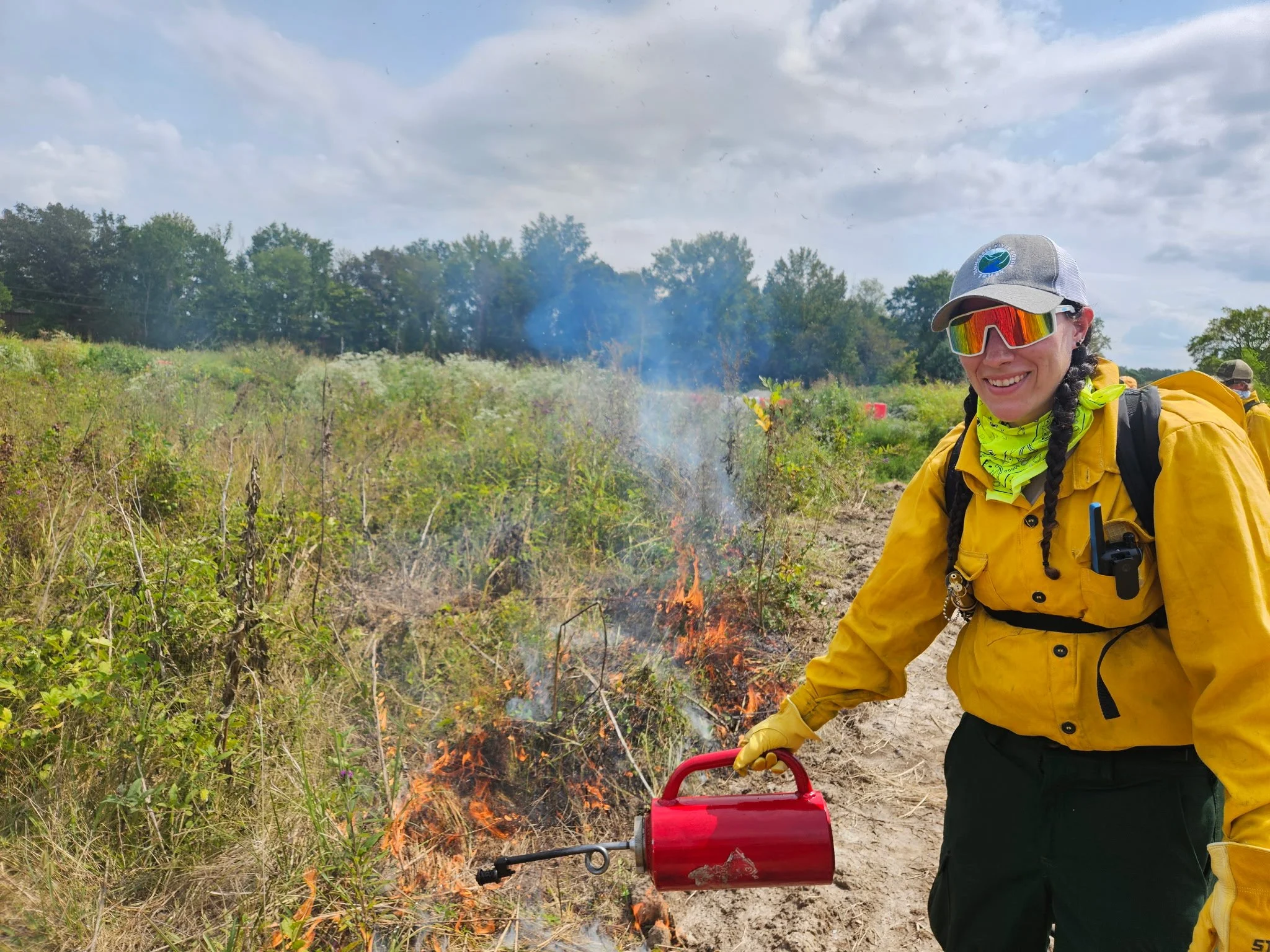
Corlee Thomas-Hill conducting a prescribed fire at Guthrie Prairie, KY. PC Jeremy French.
Restore & Manage
Increasing the pool of grassland ecosystems through sustainable, science-driven restoration & management is a top priority.
-
To increase the amount of grassland habitat, SGI utilizes the following techniques:
Reading the Site
Returning Light to the Ground
Restoring Ecosystem Processes
Reconstruction
Controlling Invasives
Long-term Management
-
Grasslandia provides a hub for community members to join us at restoration and management activities at sites across our focal region.
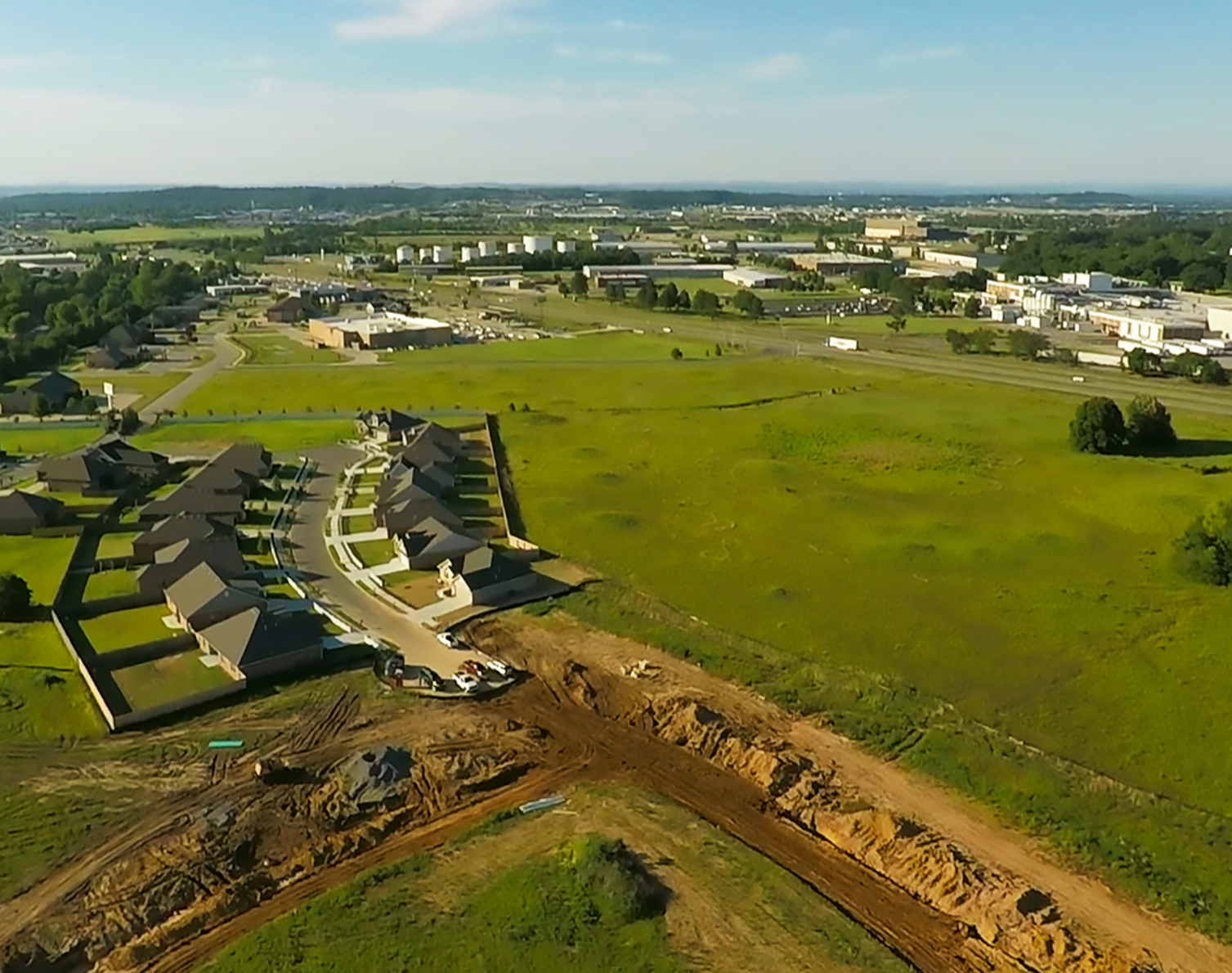
Image of prairie loss. PC Pam Pasco.
Threats
Defending our grasslands requires acknowledging the threats, and taking proactive steps to protect and restore these ecosystems.
-
The following are significant threats to the health and return of our grassland ecosystems, defined in Grasslandia by degrees of severity, immediacy, and reversibility:
Urban Sprawl
Habitat Fragmentation
Loss of Ecosystem Processes
Loss of Megaherbivores
Invasive Species
Climate Change
Mining
-
The loss of grasslands in the Southeast can lead to serious negative consequences to our communities. Major consequences include:
Species Extinction
Pollinator Collapse
Soil Erosion
Water Degradation
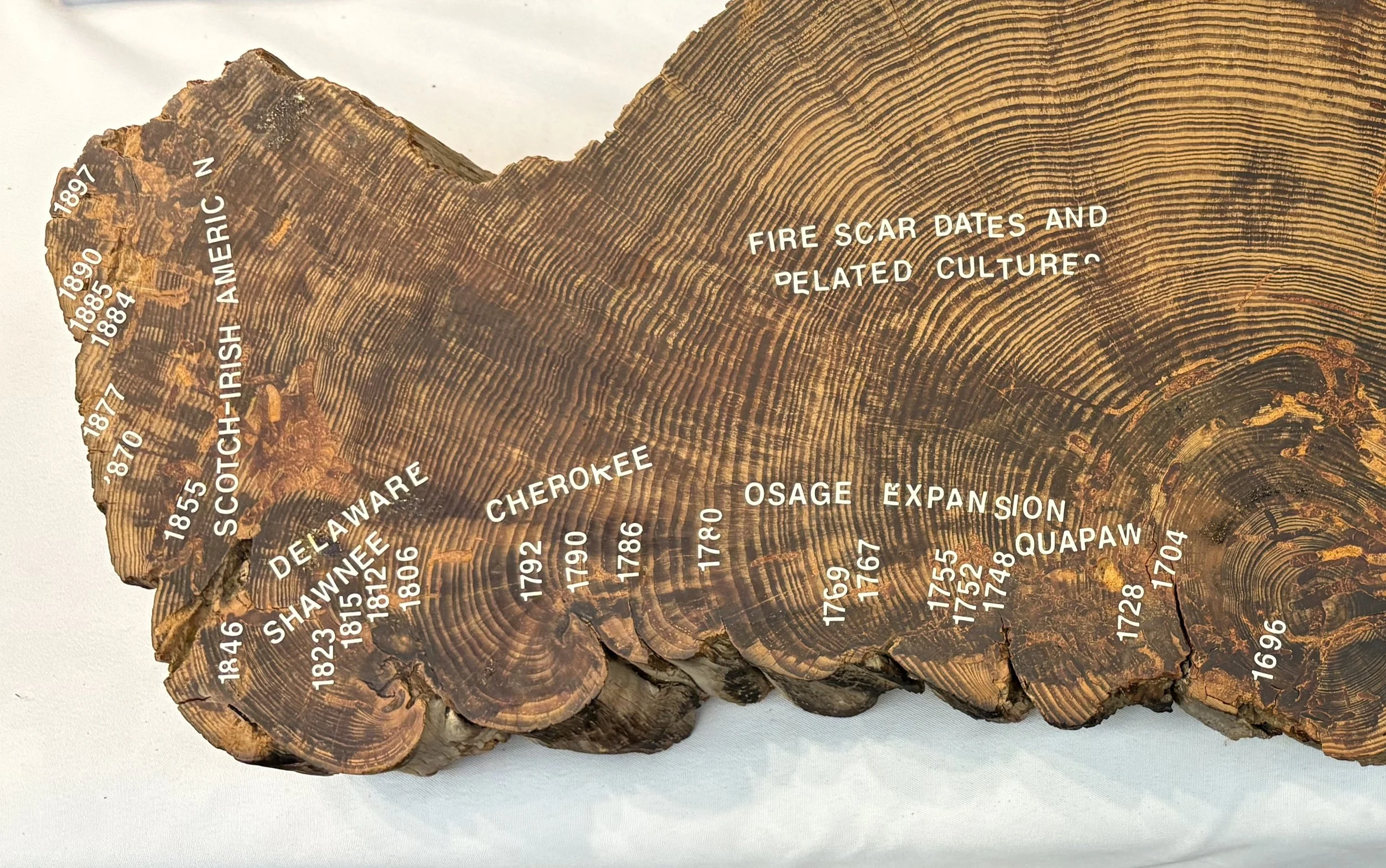
Fire scarred pine. PC Theo Witsell.
Science
Data-driven research reveals how soils, fire, and ecology shape resilient grassland ecosystems, and informs ongoing management.
-
SGI’s experts research many aspects related to grasslands. We are always open to collaboration. The following research topics are current priorities and areas of staff expertise:
Soil Carbon
Ecology
New Species Description
Ecological History
Biodiversity Inventory
Conservation Planning
Education & Outreach
-
At SGI, we favor collaboration over competition. Our research is centered on the following:
Biodiversity Inventory & Mapping
Adaptive Management
Long-term Monitoring
Integrated data visualization through GIS

Image of the Advanced Tools on the Grasslandia History Explorer to search for grassland-related historical evidence by geography, date, author and keywords.
Grasslandia website visitors will be able to use multiple GIS maps and datasets to visualize grasslands across the Southeast. For example, our History Explorer allows users to search for historical evidence pertaining to grasslands, including grassland animals, plants, waterways, ecosystems, grazing, culture, and land change.
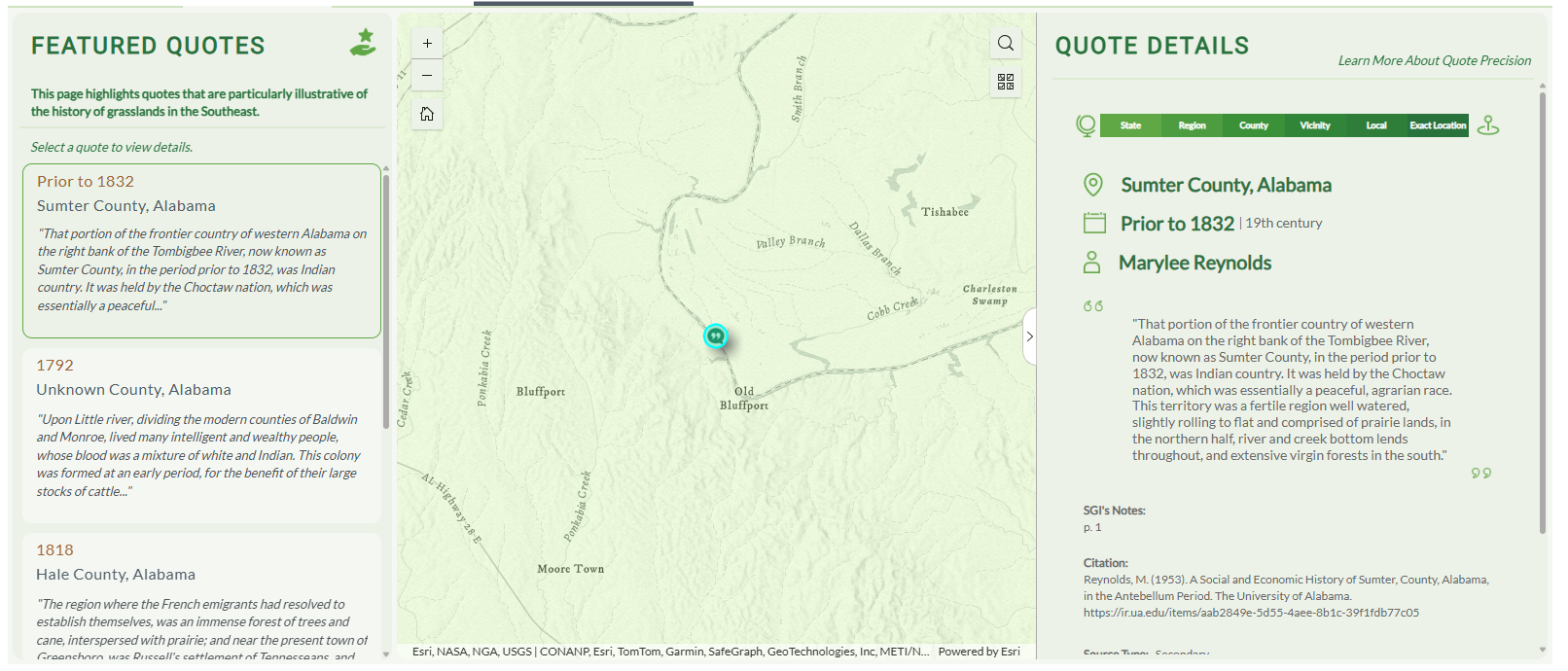
Image of the History Explorer in Grasslandia. Image shows a featured quote from Sumter County, Alabama prior to 1832 by Marylee Reynolds about the Choctaw nation agriculture in Alabama prairie lands.
Users will also be able to overlay relevant maps onto the map showing the location of historical quotes, helping to visualize multiple layers of data together. Advanced tools will allow users to search for historical evidence of grasslands by date, geographic location, author, and keywords. Many places described in these historical contexts are no longer grasslands. However, now that we have this evidence, we can begin to identify lands that not only hosted open grassland ecosystems in the past, but that are great candidates for our grassland restoration program to reconstruct and restore into healthy grassland ecosystems today. Grasslandia’s portals will feature map explorer tools for each topic related to grassland conservation.
Grassland benefits
Natural Heritage
Biodiversity

Southeastern grassland ecosystems sustain an amazing number of species, many of which depend specifically on grassland habitats. Some are found only in intact and high-quality ancient grassland remnants – those rare patches that were kept open but never plowed or otherwise degraded. Ongoing research is revealing not only previously undescribed plants and animals, but rich soil microbial communities unique to grassland remnants.

Southeastern grasslands are a vital part of the natural heritage of the Southeast. They were not covered by glaciers during the Pleistocene, which has allowed them to persist and evolve over millions of years, accumulating and retaining high levels of biodiversity. The region also receives ample rainfall and is diverse in its landforms, soils, and geology. These factors combine to explain the Southern Grassland Biome’s rich natural heritage.
Culture
Environmental Health

Healthy grasslands sustain biodiversity, resist soil erosion, and help provide clean water. Intact grasslands with an abundance of forbs (wildflowers) are critical resources for pollinators. Grasslands are also important carbon sinks, sequestering carbon belowground in both the soil and in the complex root systems of grassland plants. Most grasslands are also highly drought and flood tolerant, providing resilience in the face of climate change.

Grasslands were a major factor influencing patterns of human migration and settlement. They influenced the locations of Indigenous settlements and hunting grounds and are integral to Indigenous lifeways. Magnets for Euro-Americans moving west, grasslands provided farmland and ready-made rangeland. Routes of many modern roads were once Indigenous trails, which were themselves once the trails of bison and other grassland megafauna.
Recreation & Human Health

Southeastern grasslands provide a wealth of recreation opportunities and other benefits to human health. They provide sites for outdoor exercise and open vistas with incredible sunrises and sunsets to lift the spirits. Their value as wildlife habitat makes them natural destinations for hunters and wildlife-watchers. Birders and native plant enthusiasts are especially drawn to them, as they are the only places to see many grassland-dependent species.
Agriculture

From the Grand Prairie of Arkansas, to the Pennyroyal Plain of Kentucky and Tennessee, to the Black Belt Prairies of Alabama and Mississippi, deeper soiled grasslands in the Southeast became major cropland centers. Other, less productive grasslands became ranching areas. Both influenced settlement and culture. Today, re-integrating grassland habitat and biodiversity back into these converted landscapes is a focus of sustainable agriculture.