Grassland Restoration Projects - overview

SGI’s Restoration & Stewardship Program uses science-based techniques to regenerate the health of our critically endangered southeastern grassland ecosystems.


The work of the Southeastern Grasslands Institute spans SGI’s focal region. Please scroll down to view our main projects at this time.

America’s Ecosystem Restoration Initiative


Last Chance Grasslands: Stabilizing, Restoring, and reconstructing 2,500 Acres of the Forgotten Grasslands of Central TN

The Southeastern Grasslands Institute, in partnership with the National Fish & Wildlife Foundation, is working to stabilize, restore, and reconstruct 2,500 acres of native grassland habitat across public and private lands in Central Tennessee. This landscape-scale grassland restoration project will expand the range and connectivity of some of the region’s rarest habitats: grasslands, open wetlands, and open woodlands. These habitats are easily the most endangered ecosystems in the Southeastern U.S. and Tennessee. Historically, the Southeast supported millions of acres of grasslands, including prairies, meadows, barrens, glades, savannas, and open woodlands. Unfortunately, these ecosystems have been reduced to less than 1% of their historic extent. As a direct consequence, we are rapidly losing many species that depend upon these ecosystems to survive, including native plants, insects and pollinators, birds, mammals, and herpetofauna. Many of these declining species require large, high-quality, contiguous grassland habitats for survival in multiple stages of their life cycle. 

When it comes to grassland functionality, research suggests that size matters, especially when we think of turning the tide of grassland bird decline. Larger grasslands are generally better at supporting our threatened grassland bird populations. Please refer to the Working Lands for Wildlife Northern Bobwhite Grasslands, and Savannas framework publication for more details. 

The work of this grant will stabilize, restore, and reconstruct thousands of acres of grasslands in Middle Tennessee by establishing 6 grassland anchor sites across public and private lands. Grassland anchor sites are at least 100 contiguous acres of grassland habitat. The six anchor sites will be at Shelby Bottoms Greenway and Natural Area, Lytle Bend (aka Ravenwood), Barnett’s Woods and Prairie State Natural Area, Wessyngton Plantation, Google Prairie, and Dickson County anchor site.  Scroll down for more details on the anchor sites!  

Shelby Bottoms - Cornelia fort Airpark - Grassland reconstruction

In partnership with Nashville Metro Parks & Recreation and Friends of Shelby Parks & Bottoms, we are reconstructing approximately 100 acres of native meadow habitat at the Cornelia Fort Airpark Trailhead in Shelby Bottoms. Historically, the floodplain surrounding Shelby Bottoms likely consisted of a mosaic of open wetlands and meadows. These seasonally saturated open habitats were maintained by periodic flooding and beaver activity. Today, native meadows of the Nashville Basin have been nearly extirpated due to clearing for agriculture and urban development. The Cornelia Fort Airpark currently supports a low-diversity mixture of non-native and invasive grasses, along with other weedy species that colonized the site during its previous use as farmland. In this degraded condition, the landscape provides limited ecological value for wildlife, biodiversity, or ecosystem services. 

The Cornelia Fort Grassland Reconstruction Project will transform the Airpark ecosystem by replacing existing low-quality vegetation with a diverse assemblage of native flowering forbs, grasses, and sedges. Using a mixture of commercially-sourced and locally hand-collected seed, the project will establish habitat that supports a variety of native birds, pollinators, and other wildlife. The Cornelia Fort Airpark already supports populations of declining grassland birds such as eastern meadowlarks (Sturnella magna) and eastern bluebirds (Siala sialis), which will benefit from enhanced nesting and foraging habitat. Over time, the reconstructed meadow will function as a critical conservation corridor in the heart of Nashville, providing high-quality, contiguous grassland habitat where it is currently scarce while enhancing public access to native biodiversity and recreational opportunities.

National Park Service Partnership


Restoring grasslands of our nation’s public lands

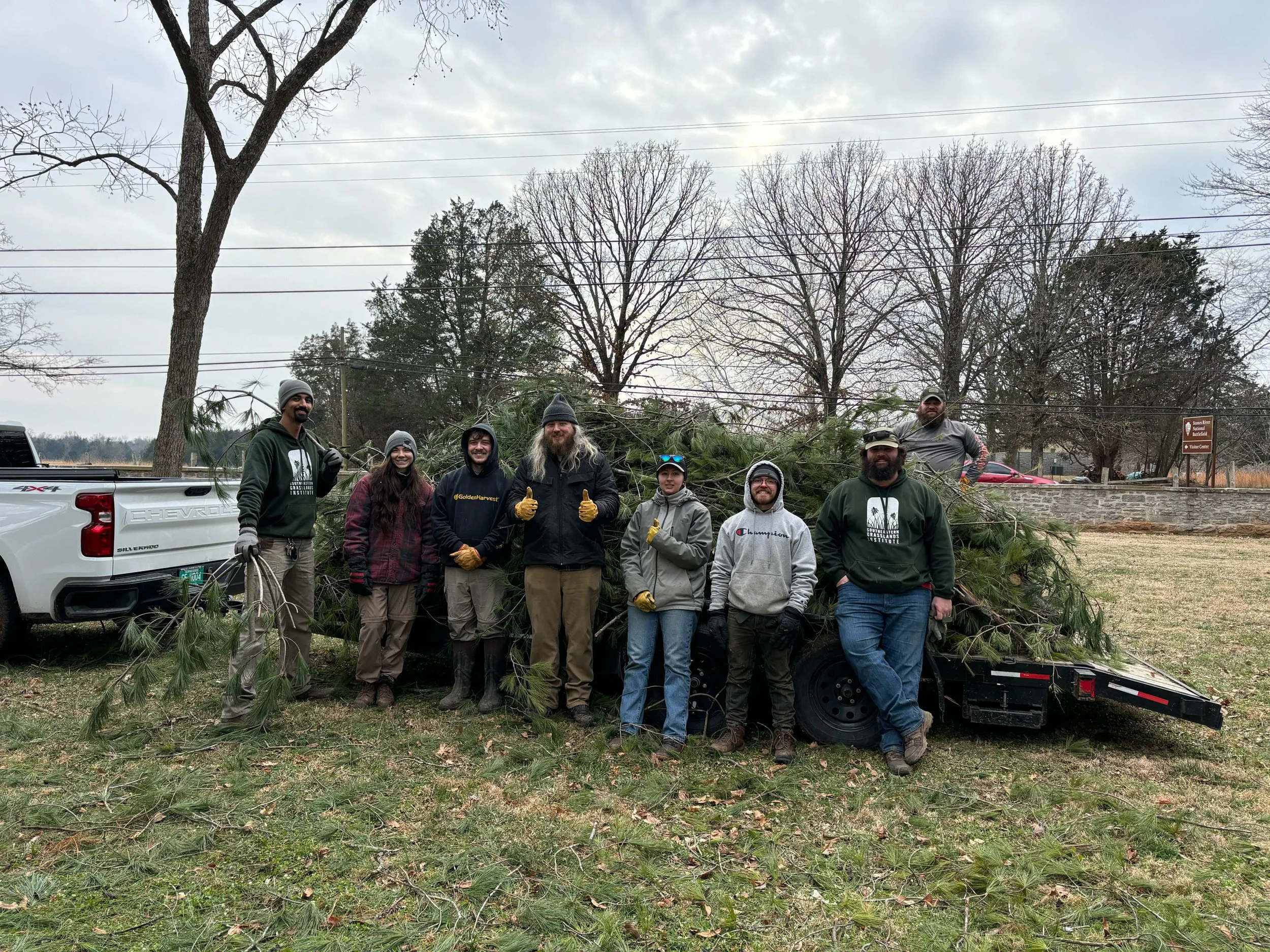
SGI has entered into a partnership with the National Park Service. The project consists of multiple funding pools and projects, totaling 38 National Parks and 100 individual sites from Mississippi to Vermont. SGI is working to restore critical grassland remnants by removing invasive species, implementing best management practices, and educating the public on their importance.

In places where grasslands have been driven to functional extinction, SGI is working with NPS to reconstruct thousands of acres of grasslands in agricultural and/or fallow fields. This project represents the largest concerted effort to restore grasslands in eastern National Parks. The goals of the project are to uplift grasslands and National Parks via restoration, reconstruction, and monitoring efforts.

Boots to Botany Program


SGI’s Army-approved career skills program

Boots to Botany is an Army-approved Career Skills Program that partners closely with the Southeastern Grasslands Institute. The program works with the U.S. Army for service members who are transitioning out of active duty to complete a paid internship with SGI.

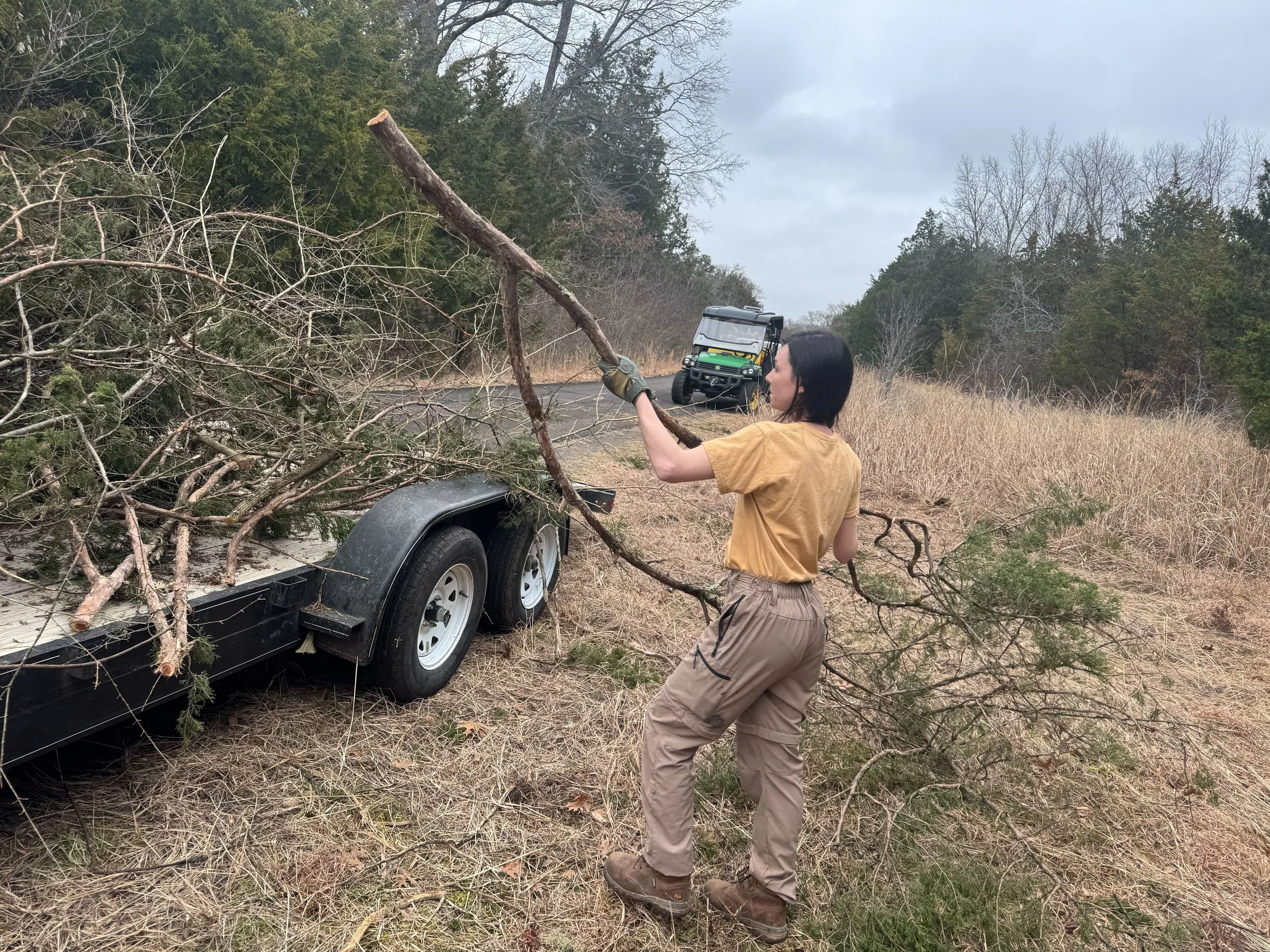
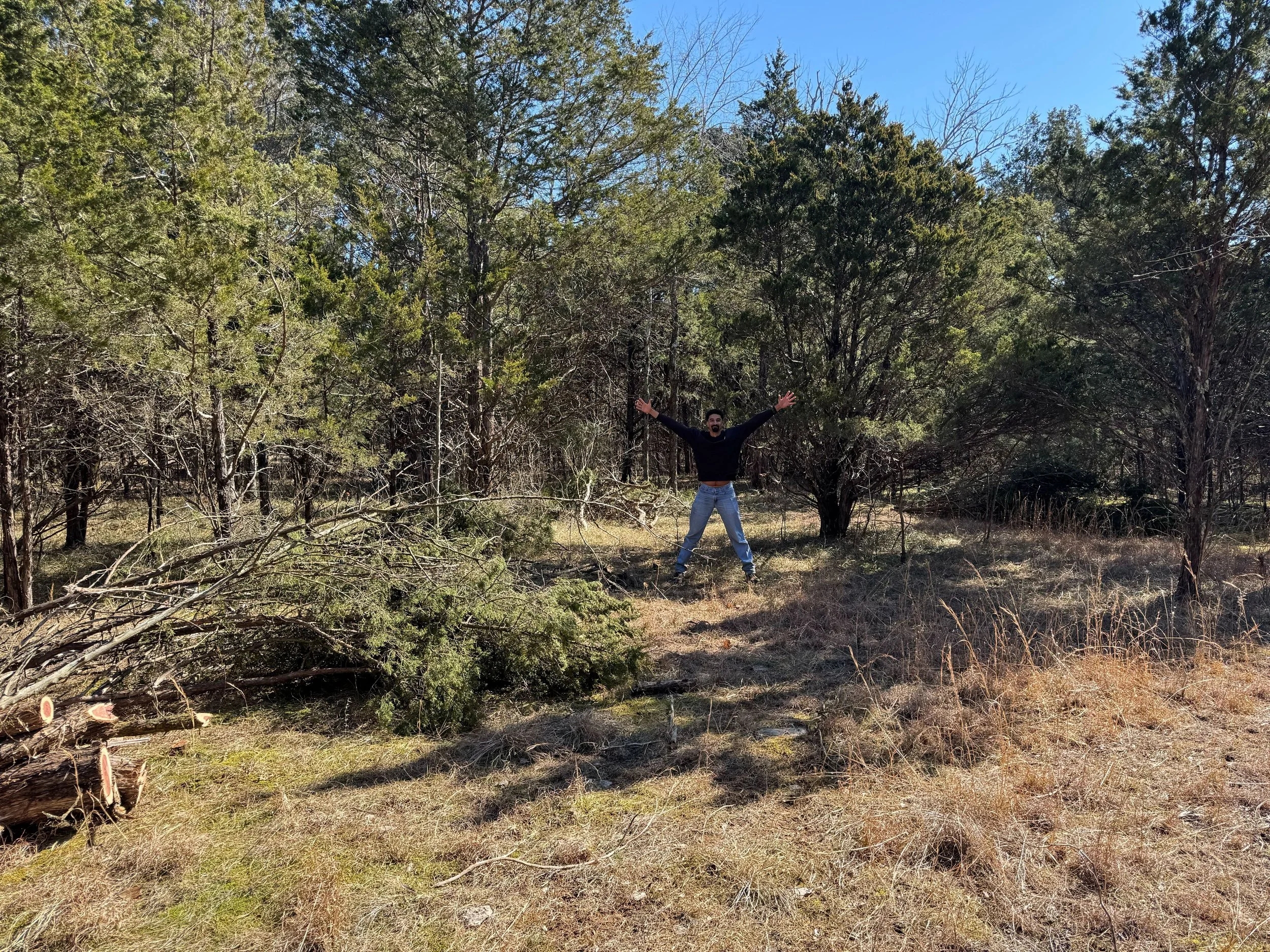
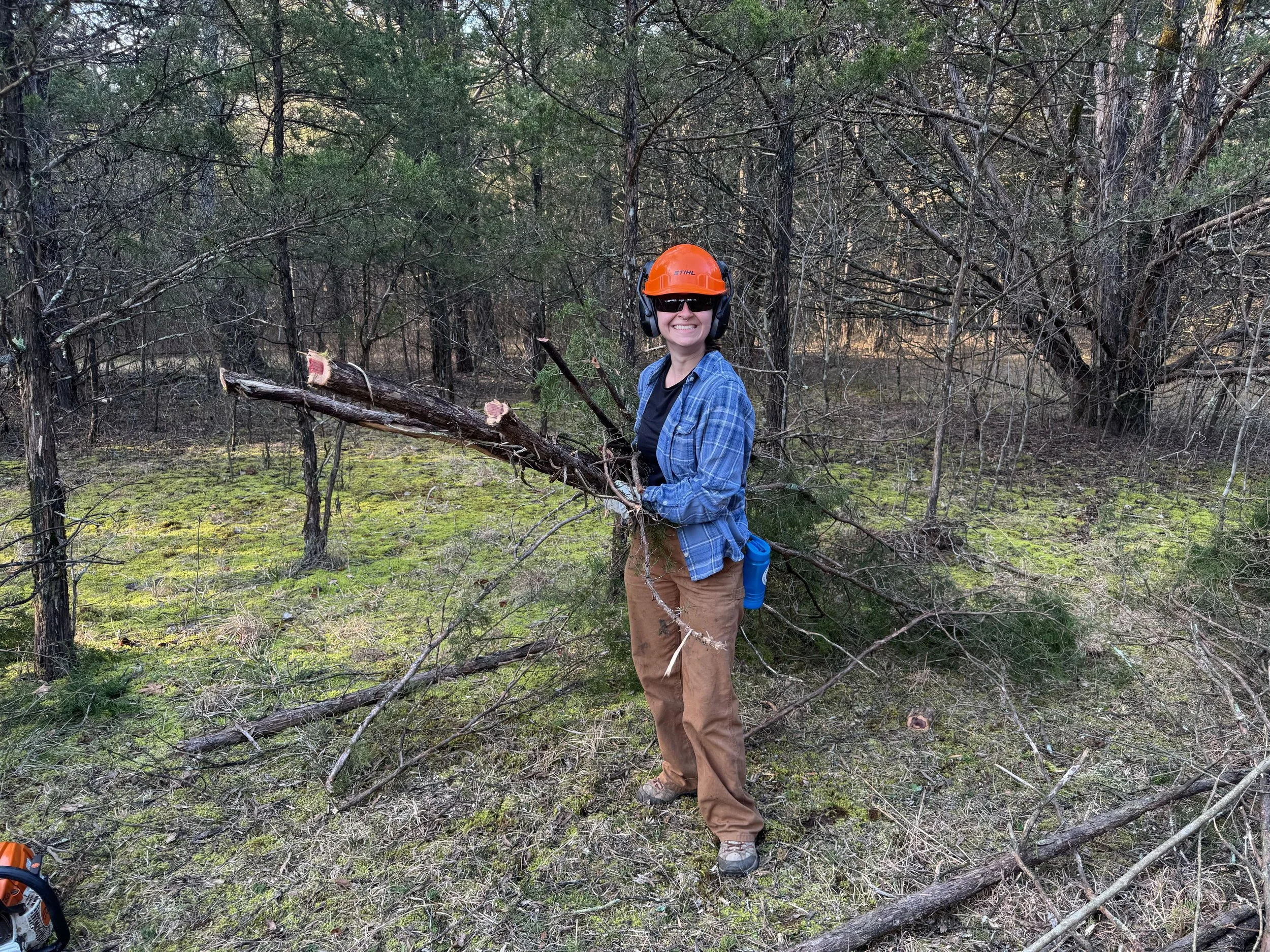
Interns gain a diverse skillset and understanding of environmental restoration and research techniques. These include prescribed fire, seed collection, restoration equipment use, hands-on sawyering experience, wildlife survey research that include surveys of plants, invertebrates, herps, & mammals, seed propagation, plug planting, and invasive species management.

Boots to Botany interns leave the program prepared for civilian careers in botany, ecology, and restoration.

Please contact Jeremy French if you are a servicemember interested in our Boots to Botany program.

conservation landowners


private landowners

SGI works with multiple private landowners across our region to restore their lands. Scroll to see some of our core partners and the work they are doing to bring biodiversity and health back to their landscapes.

Bask retreat center

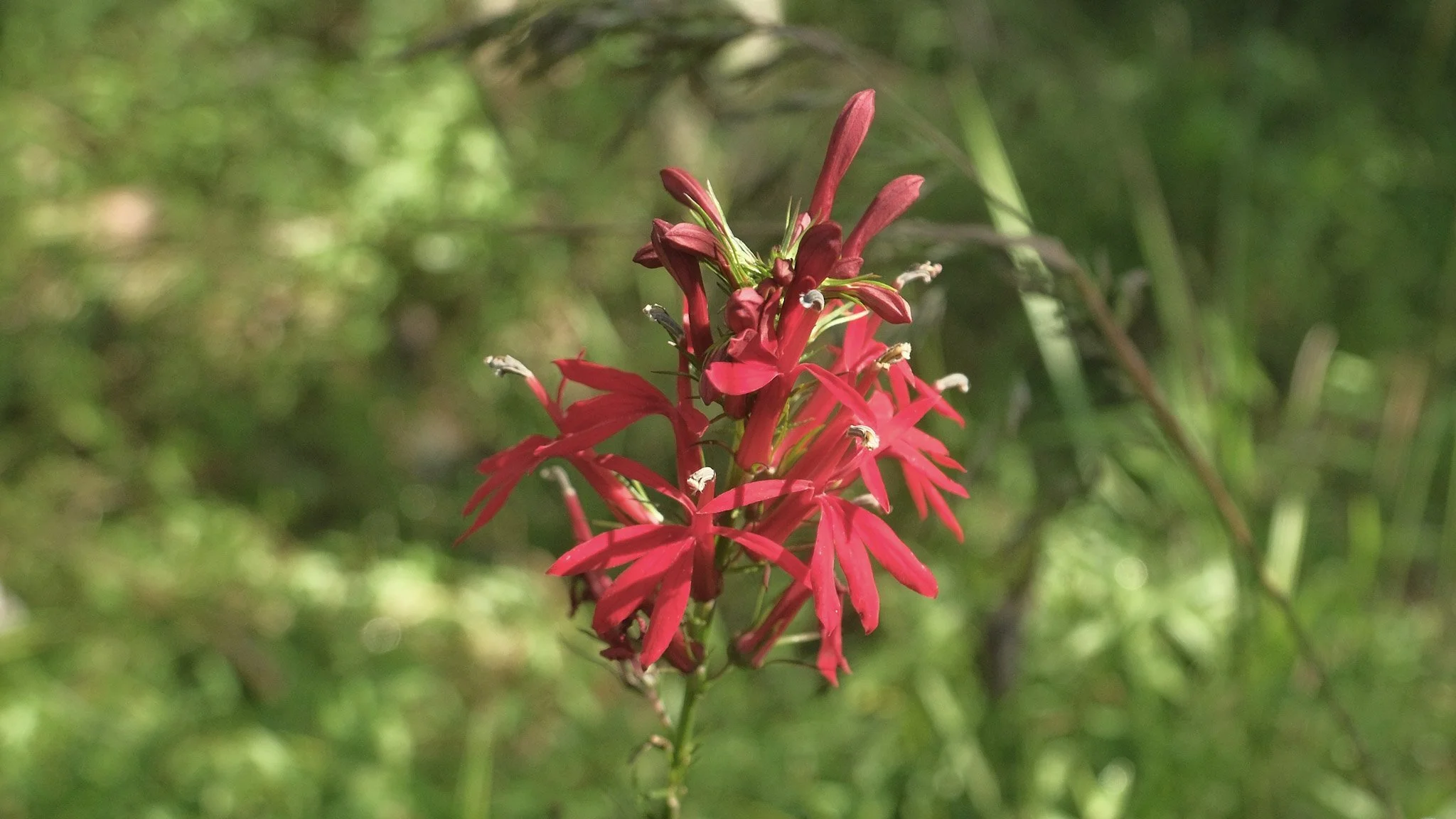
Cardinal flower (Lobelia cardinalis) at Bask Retreat Center. Photo by Nigel Pelligree.

google prairie partnership

Google Prairie is a privately owned prairie housed within the Clarksville industrial complex on former agricultural fields in the valley of Spring Creek. SGI and Google initially embarked on planting the first 50 acres of prairie at Google’s Clarksville Data Center in 2020.

Since then, Google and SGI’s partnership has grown the prairie to over 100 acres, with future growth goals to expand the current prairie to over 200 acres by 2027. Google Prairie, when planted, utilized the most diverse seed mix ever attempted in the region, with over 96 individual species planted. Since restoration efforts began, we have seen many rare and uncommon species return to the site. Now, grassland species whose populations are dropping rapidly now frequent the site - bobwhite quail, American bumblebees, river otters - are a common occurrence. The return of these species and the increased biodiversity and enhanced natural state of the site is providing improved water quality, air quality, and quality of life for Clarksville residents along the watershed. The site is actively managed by SGI volunteers and restoration staff.

Be sure to check out our Volunteer Calendar for opportunities to help with restoration efforts at Google Prairie in Clarksville.

To learn more about the Google Prairie partnership, check out the video Where the Internet Lives: Data center on the prairie on YouTube. 

the farm at sinking creek

SGI works closely in Virginia on the Farm at Sinking Creek. The historic farm is run by long-time SGI supporters, Bill & Tracy Frist. The farm is an example of how agricultural production and ecological restoration can be done simultaneously on working lands.

Currently, the Farm at Sinking Creek contains many rare Appalachian grasslands that SGI is working to restore, including, but not limited to, beaver meadows, fens, open oak woodlands, and other open grassy communities.

best hope farm

Best Hope Farm is an 80+ acre farm that consists of a mosaic of forest, remnant grasslands, and reconstructed grasslands. Managed by Deborah Rosenthal & RJ Comer, Best Hope Farm has been an important catalyst in SGI’s work, and has implemented SGI’s restoration practices and philosophies to bring their farm’s prairie remnants and reconstruction sites back to health. To learn more, follow Best Hope Farm on Facebook. Best Hope Farm will serve as a core anchor grassland along with several neighboring landowners, including Montgomery Bell State Park, in SGI’s Restoring America’s Ecosystem project.

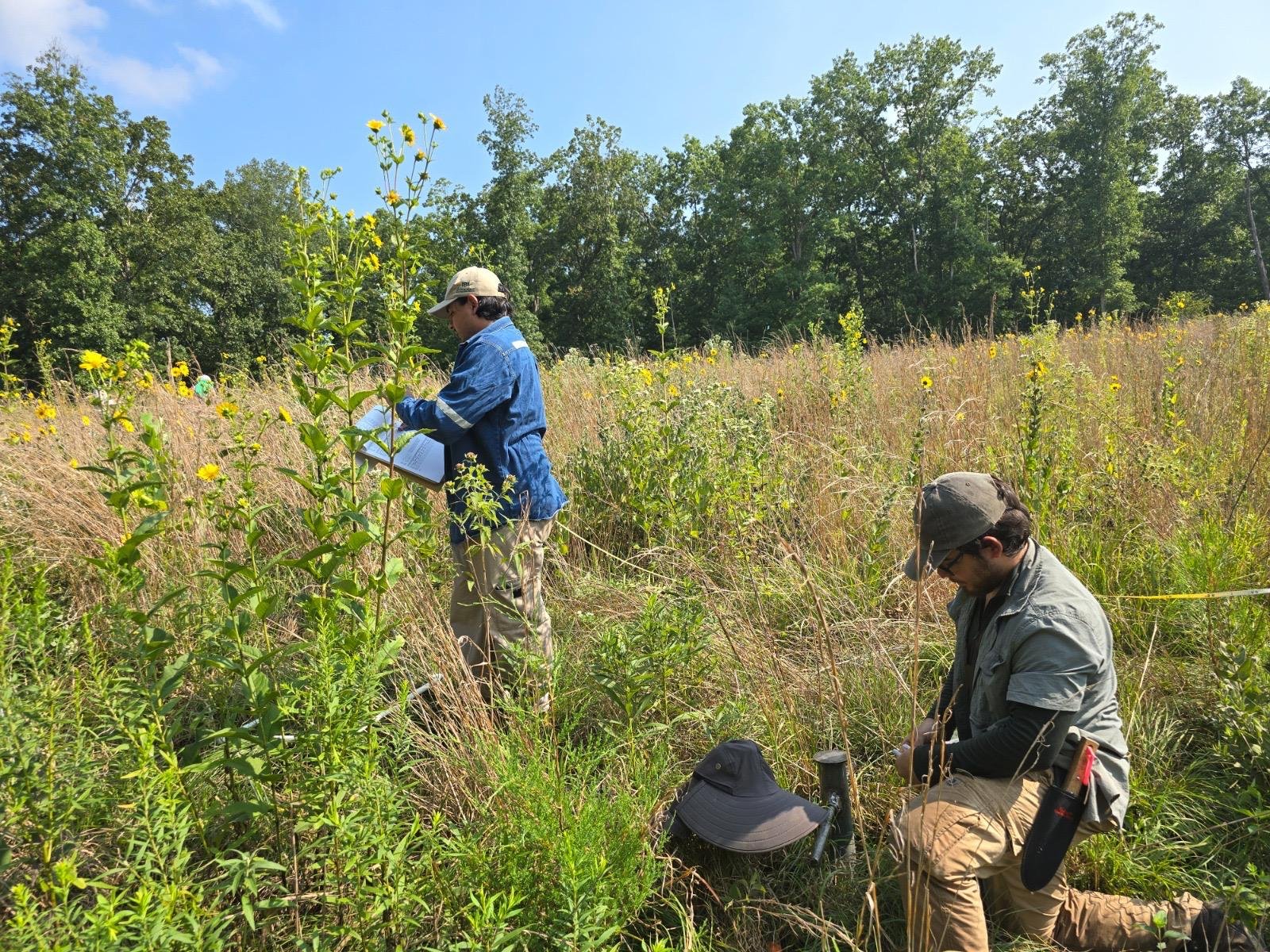
Researchers from Auburn University sampling for soil carbon at Best Hope Farm. PC Josue Chevez-Sahona.

Old town

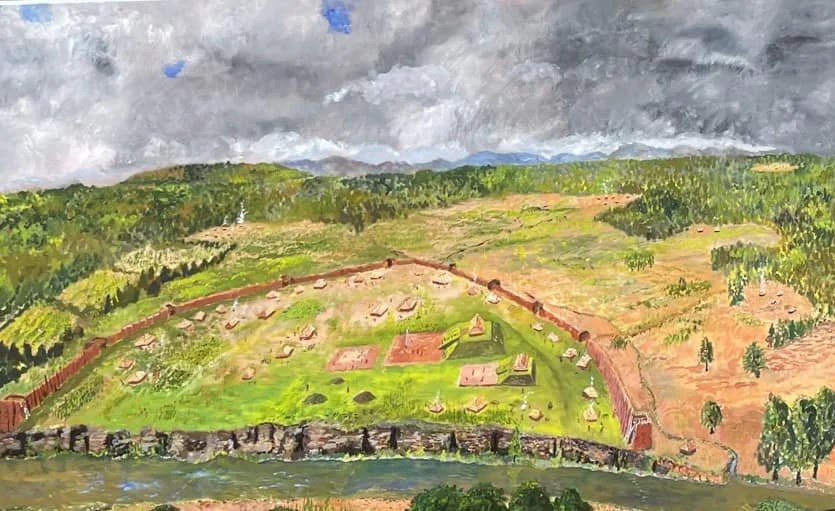
SGI is working to restore and reconstruct the meadows at Old Town, a historic site in Franklin, TN. Old Town is SGI’s first restoration project led by our Indigenous Lands Stewardship Program staff. Old Town is home to ancient Mississippian culture temple mounds.

Our work here will restore grassland communities that would have existed during the time of Indigenous habitation.

Old Town currently has populations of many uncommon or culturally significant species, most notably the rare hortulan’s plum, Prunus hortulana, Chickasaw plums, Prunus angustifolia, and river cane, Arundinaria gigantea.

Painting of historic Old Town. Painting by Nick Fielder.

Southern Appalachian Restoration projects


restoring the unique ecosystems of southern appalachia

SGI works with a variety of partners to accomplish on the ground research and restoration activities of rare plant species and plant communities across the Southern Appalachian region. Scroll down to learn more about key sites and projects led by SGI’s Southern Appalachian Grasslands Ecologist Zach Irick.

City of Chattanooga

SGI has partnered with the City of Chattanooga at Heritage Park, SGI helped guide the conversion of turfgrass into a flourishing meadow, uncovering a surprisingly rich native seed bank that responded quickly once mowing ceased and restoration began. The site now supports rare fen and limestone barren communities, key grassland ecosystems once common in the region but now largely lost to development.

Seasonal prescribed burns and transplanting of native species are planned to further enhance diversity. The project serves as an inspiring example of how cities can reclaim ecological heritage while providing critical habitat for pollinators and educational opportunities for the public.

kilbride nature sanctuary

At Kilbride Nature Sanctuary, SGI is collaborating with Tennessee Wesleyan University, the and the Lyndhurst Foundation to restore a 30-acre grassland owned by Tennessee Wesleyan. The 30-acre site was dominated by warm-season grasses, and had lost much of its native floristic diversity. SGI’s restoration strategy includes dividing the property into management units, implementing prescribed burns in rotation, and reintroducing remnant-specific plant species sourced from nearby high-quality prairie remnants.

Ducktown bog project

The Ducktown Bog Project seeks to restore the southernmost cranberry bogs in North America. The project’s goal is to revive the natural processes that once sustained these wetlands and to support native plants like cranberries and cottongrass (Eriophorum).

The team has propagated over 1,000 native transplants, with 350 scheduled for reintroduction in fall 2025. Volunteers, scientists, and tribal representatives have joined in monitoring and planting efforts, creating a collaborative model for cultural and ecological restoration. This work not only safeguards one of Tennessee’s rarest habitats but also reconnects communities with a living remnant of the region’s natural history.

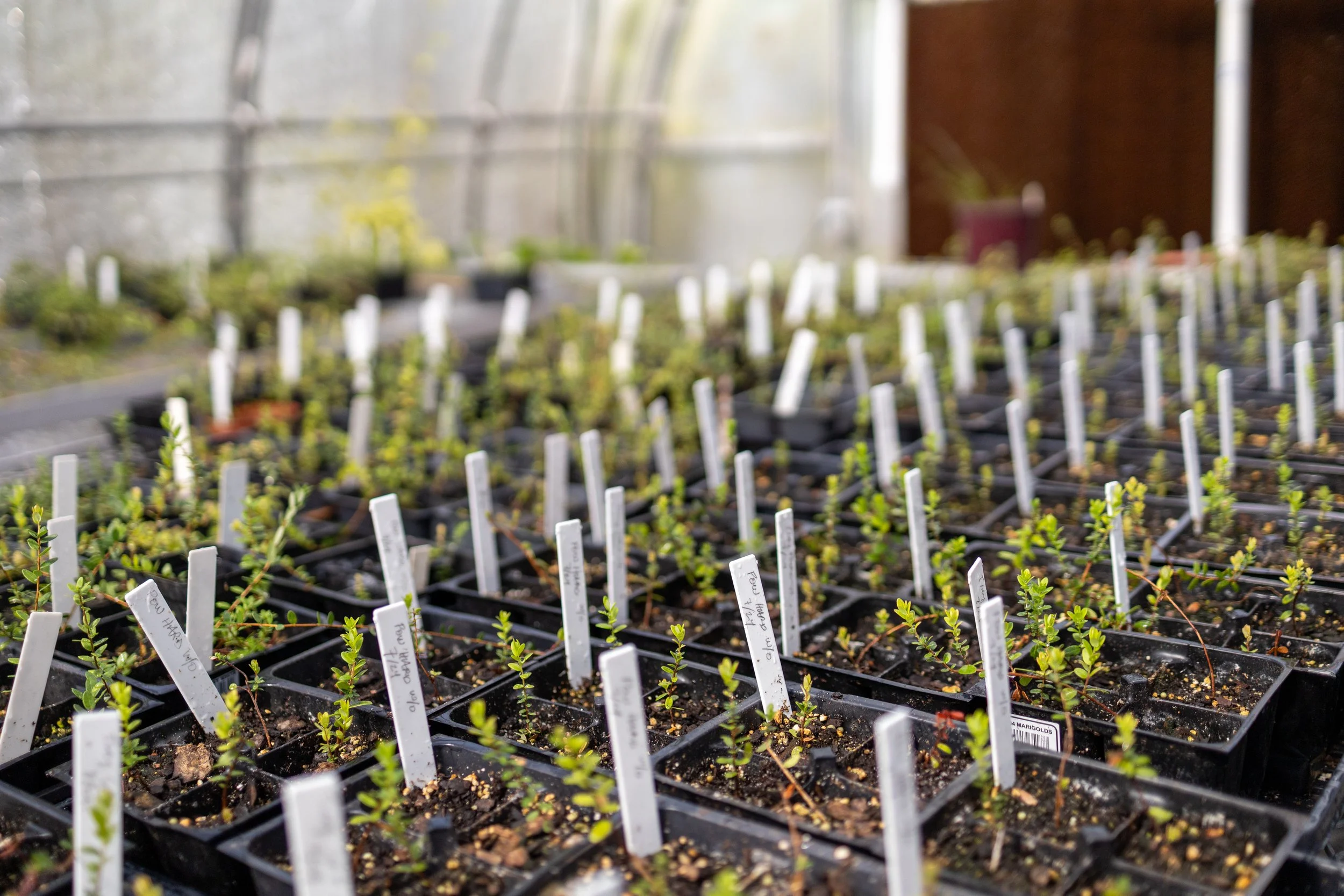
Cranberry seedlings for Ducktown Cranberry Bog. PC Zach Irick.

Tennessee river gorge

The Tennessee River Gorge —often called the “Grand Canyon of Tennessee”— is located in southeast Tennessee. SGI began restoration work in partnership with the Tennessee River Gorge Trust in 2023 to conserve and revitalize one of the state’s most dramatic and biologically rich landscapes. The project focuses on researching and restoring the Aetna Mountain bogs which support several rare plant species and disjunct populations of the barking tree frog. SGI developed a detailed monitoring protocol to assess baseline conditions and found that the woodland ecotone was encroaching into the bog. SGI then developed a restoration plan for TRGT which includes thinning applications and prescribed burning of the adjacent woodlands surrounding the bog. In 2028, SGI will use the data to track changes over time in response to restoration applications, applying prescribed fire and other ecological management practices to improve habitat structure and native diversity.

State Lands


Southeastern State land partners

SGI works closely with our state parks, preserves, and natural areas on restoration efforts. Scroll down to learn more about key partners in our work to restore biodiversity to open canopy ecosystems on state lands!

barnett’s woods and prairie state natural area

SGI in partnership with Tennessee Department of Environment and Conservation (TDEC) Division of Natural Areas owns and co-stewards 450 acres of the Barnett’s Woods and Prairie State Natural Area near Clarksville, TN. Barnett’s Woods State Natural Area consists of a diverse area of caves, springs, remnant savannas, barrens, open woodlands, forests, and agricultural fields. Working together with TDEC, the Tennessee Wildlife Federation (TWF), the Land Trust for Tennessee, and U.S. Army Fort Campbell base, SGI is leading the charge on reconstructing 250 acres of open agricultural fields to some of the most diverse, ecologically accurate reconstructed prairies in the Southeast. In addition to the prairie reconstruction, SGI is working with TDEC to restore the barren, savanna, and woodland remnants within the site.

Barnett’s Woods and Prairie is currently home to many rare and uncommon species of plants and animals. A few of these important species include Antigone canadensis (sandhill crane), Pseudotriton ruber (red salamander), Apios priceana (Price’s potato-bean), Nabalus barbatus (barbed rattlesnakeroot) , and Matelea obliqua (climbing milkvine).

Once restoration is completed, the Natural Area will be open to the public with a diverse array of trails and viewpoints. The Natural Area will be managed in perpetuity by SGI using prescribed fire and grazing to maintain the health of the ecosystem and the species that inhabit it.

dunbar cave state park prairie restoration

Dunbar Cave State Park is home to a 20 acre prairie nestled in the heart of Clarksville.

The Dunbar Cave prairie was SGI’s first ever reconstructed grassland, planted with a diverse mix of flowers and grasses in 2018 in partnership with Dunbar Cave State Park and Roundstone Native Seed, LLC.

Dunbar Cave is currently actively managed by SGI volunteers and our restoration team. Dunbar hosts a diverse array of trails, and is home to an abundance of wildlife.

Be sure to check out our Volunteer Calendar for opportunities to help with restoration efforts at Dunbar Cave State Park in Clarksville.

SGI Sites


SGI Owned Grasslands

SGI established the Bob and Deborah Hulse Prairie Acquisition Fund to purchase and restore remnant prairie sites across our focal region. Scroll down to learn more about sites under our management.

Guthrie prairie

Guthrie Prairie is what is known as a G1-S1 Pennyroyal plain wet prairie and marsh community. The G1-S1 category signifies that meaning it is a critically imperiled site on a global and state level. Guthrie Prairie was purchased in 2022 thanks to SGI’s Bob and Deborah Hulse Prairie Acquisition Fund.

This acquisition was SGI’s first ever land purchase. Conserving and restoring this critically rare grassland within the town of Guthrie, KY, represents the importance of conserving even the smallest remnants, because they often hold the lion’s share of biodiversity, seed sources, and are the genetic seed banks critical to rebuilding grasslands at scale.

Scaling Grasslands conservation in Tennessee

This effort is funded by the Berkley Foundation, and seeks to uplift our efforts to stabilize, restore, and reconstruct the forgotten grasslands of Central Tennessee.

The project will stabilize and restore 1,000 acres of grasslands, with 600 acres of grassland remnants to be restored, and 400 acres to be reconstructed in Central Tennessee. An additional goal of this effort is to collect over 500 pounds of local genotype seed to be used as the seed source for restoration in Central Tennessee.

If you have interest in supporting or contributing your land to this project, please contact Jeremy French or Vero Tessier.


SGI past restoration projects


A history of successful conservation partnerships

The Southeastern Grasslands Institute is grateful for the partnership of many agencies, donors, and organizations on our projects since our inception in 2017. Please see the list below of significant projects that have advanced grassland restoration in our focal region.